
As a building owner, the safety and reliability of your elevators are paramount. Regular inspections are not just a line item on a maintenance checklist; they are a critical responsibility. Neglecting them can lead to equipment failures, safety hazards for tenants, and costly legal issues. This guide will walk you through how often you should schedule elevator inspections and why it’s a non-negotiable part of property management.
Regulatory Requirements for Elevator Inspections
The first rule of thumb for elevator maintenance is to follow the law. The required frequency of elevator inspections is dictated by local, state, and national regulations. These codes are in place to ensure public safety and the operational integrity of vertical transportation systems.
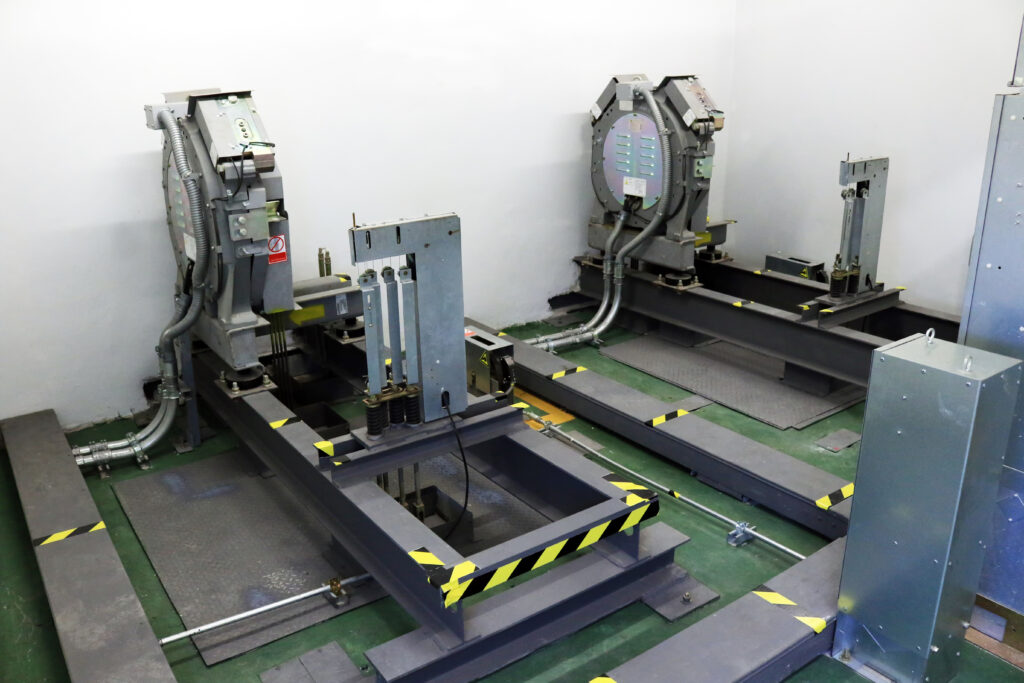
While specific requirements vary, most jurisdictions mandate at least one comprehensive safety inspection per year. Some areas may require semi-annual inspections. These timelines can also change based on the type of elevator you have—hydraulic, traction, or machine-room-less systems might have different schedules. It’s crucial to consult your local building authority or a certified elevator testing company to ensure you meet all elevator code compliance standards for your specific location, like St. Louis.
Factors That Influence Inspection Frequency
Beyond the legal minimums, several factors can influence how often you should have your elevators inspected. Proactive maintenance often means going beyond the baseline requirements. Consider these factors:
- Age and Condition: Older elevators naturally require more frequent attention. Components wear down over time, and regular checks can catch potential issues before they become major problems. If you have vintage equipment, scheduling more frequent elevator servicing is a wise investment.
- Usage Levels: An elevator in a high-traffic commercial building will experience more wear and tear than one in a small residential complex. High-usage elevators benefit from more frequent inspections to ensure they remain reliable and safe for the constant flow of people.
- Environmental Factors: Conditions like humidity, temperature fluctuations, and proximity to corrosive elements (like salty sea air) can impact an elevator’s mechanical and electrical components. If your building is exposed to harsh environmental conditions, more regular checks are advisable.
Benefits of Proactive Elevator Maintenance
Sticking to a regular inspection schedule offers significant advantages that go beyond just ticking a compliance box.
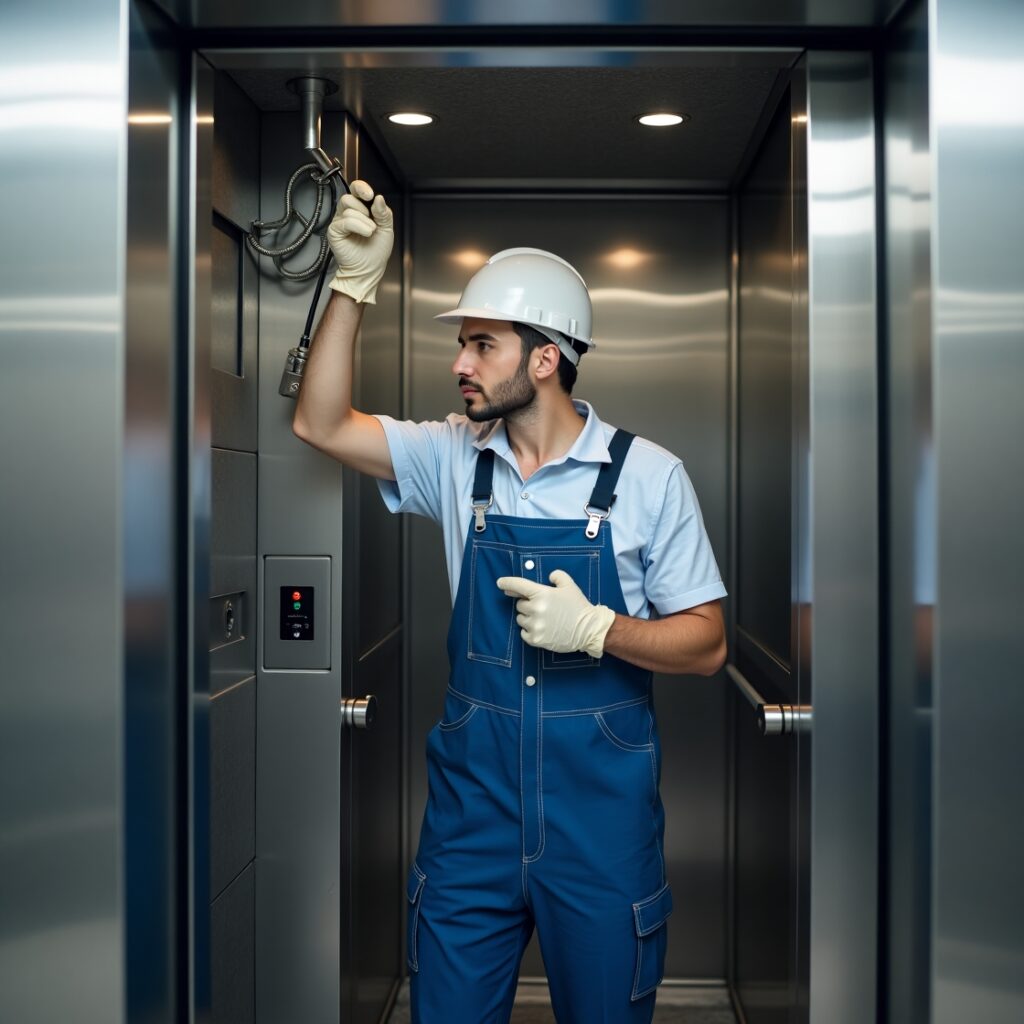
- Enhanced Safety: This is the most important benefit. Regular inspections by a qualified elevator technician identify and rectify potential safety hazards, protecting passengers and minimizing liability.
- Cost Savings: Preventive maintenance is almost always cheaper than emergency elevator repair services. Catching small issues early can prevent catastrophic failures that lead to expensive downtime and major repairs.
- Extended Lifespan: Consistent elevator service and maintenance help prolong the operational life of your equipment, maximizing your initial investment and delaying the need for costly elevator modernization or replacement.
- Reliability and Tenant Satisfaction: Frequent breakdowns are an inconvenience that can frustrate tenants and damage your building’s reputation. A well-maintained elevator provides reliable service, keeping your occupants happy.
Choosing the Right Elevator Testing Company
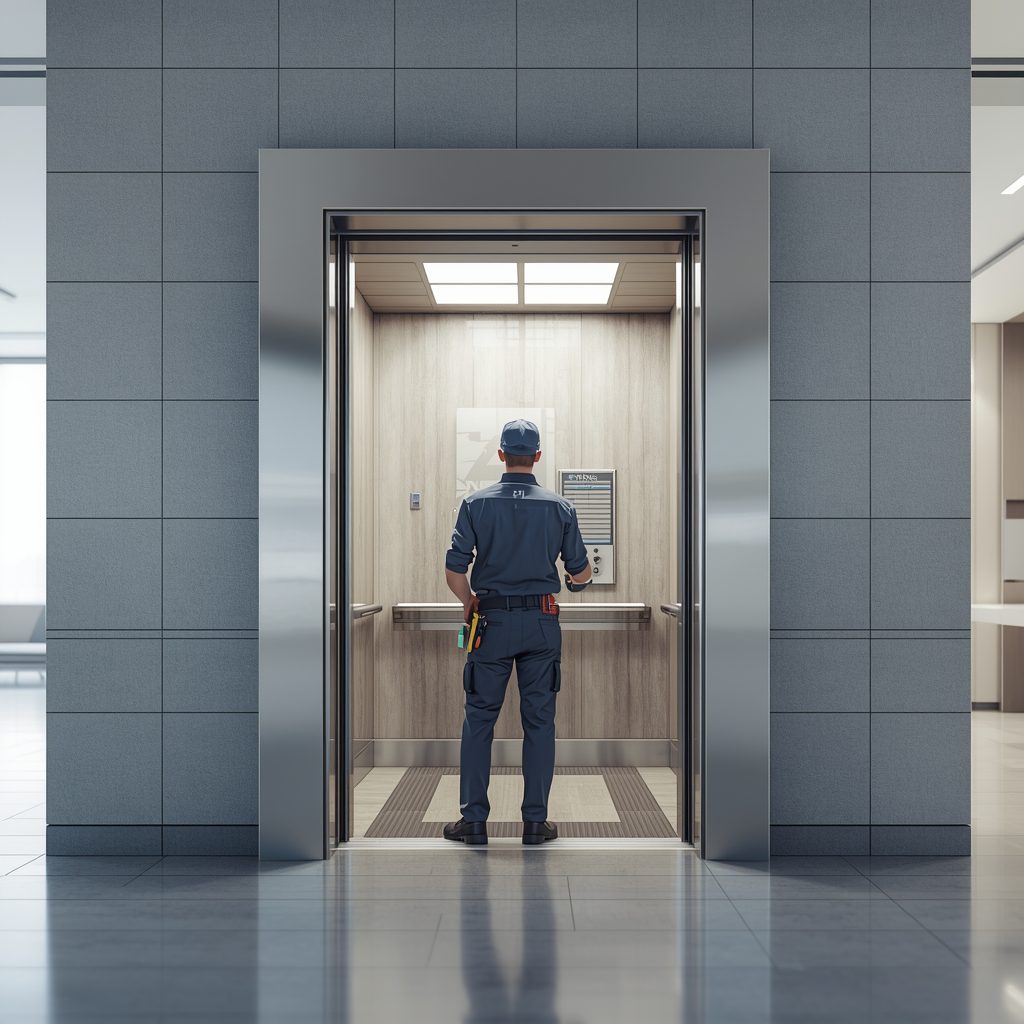
Selecting a qualified and reputable partner for your elevator inspections is as important as the inspection itself. Look for an elevator maintenance company with certified technicians who have experience with your specific type of equipment.
A trustworthy service provider, like Ascent Elevators, will offer transparent diagnostic information and honest recommendations. They should be clear about what needs immediate attention versus what can be scheduled for future elevator upgrades. Avoid companies that pressure you into unnecessary work. Instead, seek a long-term partner committed to helping you maintain your equipment’s longevity and safety.
Prioritize Safety and Compliance
Regular elevator inspections are a fundamental aspect of responsible building ownership. By understanding your legal obligations, considering the unique factors of your equipment, and partnering with a reliable elevator installation and maintenance company, you ensure the safety, reliability, and longevity of your vertical transportation system. Don’t wait for a problem to arise; be proactive with your elevator maintenance schedule.
Ready to ensure your elevators are safe, compliant, and running smoothly? The team at Ascent Elevators is here to help.
Contact us today to discuss your elevator service needs and schedule an inspection.