
A car stopped between floors is never just a service call. For a property manager, it can mean a tenant complaint, a missed appointment, an accessibility concern, a disrupted delivery, or an immediate question from ownership about what happened and how quickly it will be resolved. Effective elevator maintenance is what reduces those moments before they become costly interruptions.
For commercial and residential buildings, elevators are essential building systems. Like HVAC, fire protection, and electrical infrastructure, they require planned attention, accurate diagnostics, and a service partner that understands the consequences of downtime. The goal is not simply to keep a car moving today. It is to support safe, reliable operation over the full life of the equipment.
What Elevator Maintenance Should Accomplish
A maintenance agreement should deliver more than periodic visits and a checklist. It should give building decision-makers a clear view of equipment condition, foreseeable repair needs, code requirements, and the practical steps needed to protect uptime.
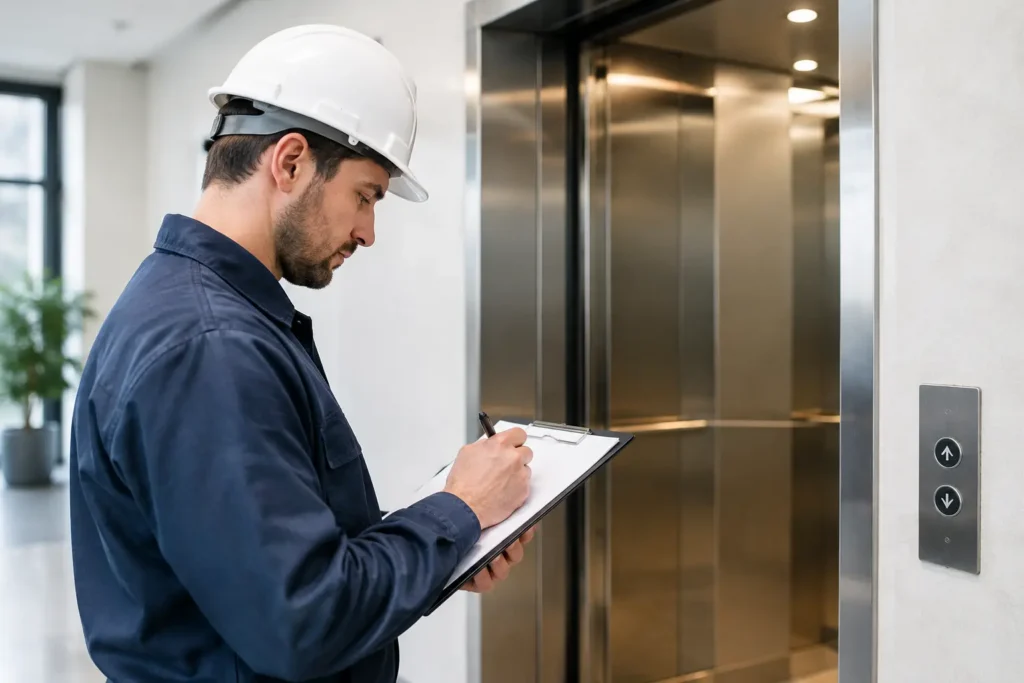
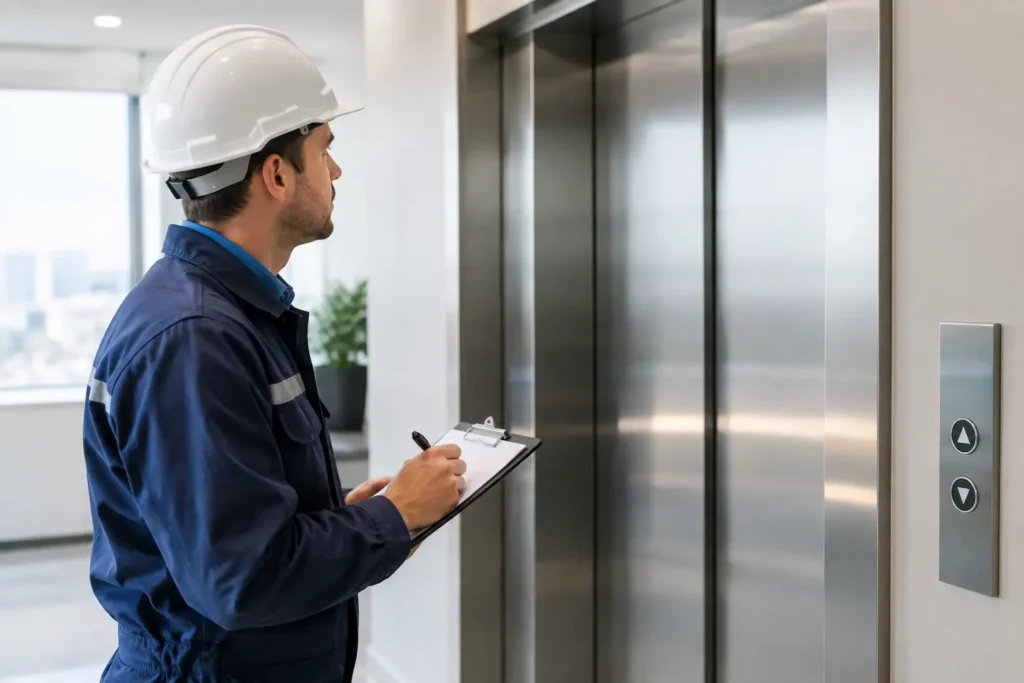
At its best, elevator maintenance is preventative. A qualified technician inspects and adjusts the components that control ride quality, door operation, leveling, communication, and safety functions. They look for wear before it causes a shutdown, identify developing issues, and document what they find in straightforward terms.
This work matters because many common elevator failures are not sudden mysteries. Door operators can fall out of adjustment. Rollers and contacts wear. Hydraulic systems can show early signs of leakage or declining performance. Relays, boards, wiring, and drive components can become less reliable over time. Addressing these conditions early is usually less disruptive and more predictable than waiting for a failure.
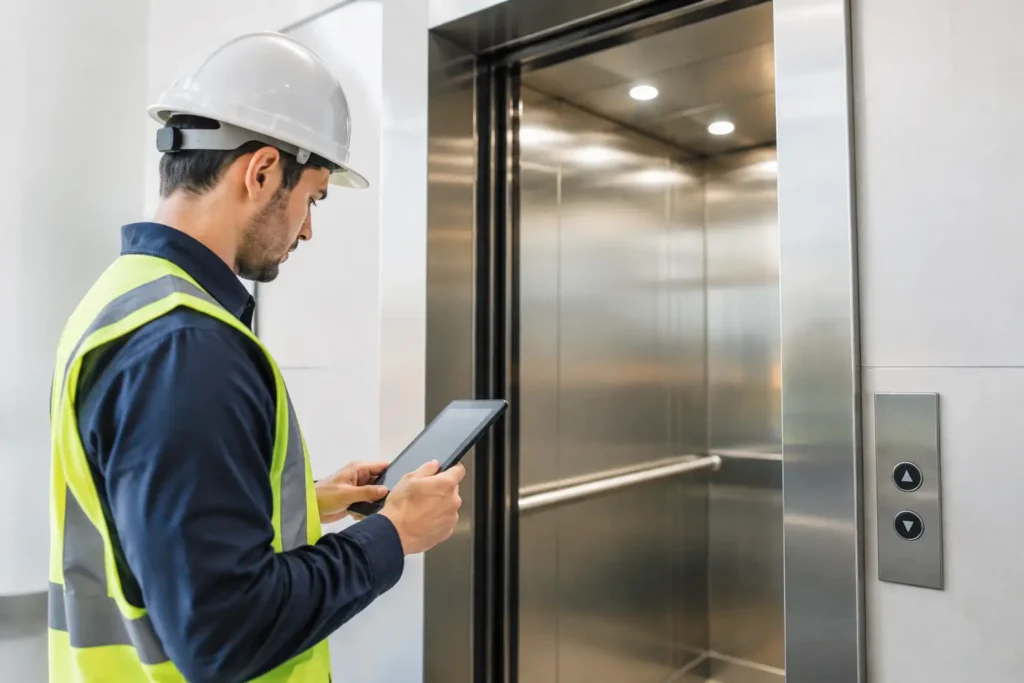
A strong plan also creates accountability. Property teams should know when service occurred, what was inspected, what was repaired, and which recommendations are urgent versus advisable for future budgeting. Clear reporting allows managers to make informed decisions rather than responding to vague warnings or surprise invoices.
The Building Risks of Deferred Service
Deferring maintenance can appear to save money when an elevator seems to be operating normally. The trade-off is that hidden wear continues, small adjustments become larger repairs, and equipment is more likely to fail during peak building activity.
In an office building, a recurring door issue may delay employees and visitors at the start of the day. In a multifamily property, unreliable service affects residents carrying groceries, moving furniture, or relying on the elevator for daily accessibility. In healthcare, hospitality, senior living, and mixed-use properties, the impact can be even more immediate.
There is also a difference between an inconvenience and a safety concern. Elevators include multiple safety devices designed to protect passengers and equipment, but those systems must be inspected, tested, and maintained correctly. Required testing and local code obligations vary by jurisdiction and equipment type. A service provider should help the building team understand what applies, coordinate necessary testing, and address deficiencies before they create avoidable exposure.
Deferred service may also shorten the usable life of major components. A controller, hydraulic power unit, door operator, or traction machine does not always require complete replacement at the first sign of age. In many cases, targeted repairs and upgrades can extend dependable service. The right recommendation depends on the equipment’s condition, parts availability, building use, and long-term plans.
What a Preventative Maintenance Visit Includes
The exact scope should be tailored to the elevator system and maintenance agreement, but routine service generally focuses on the areas most likely to affect safety and reliability. Technicians evaluate the controller, machine room or control space, car equipment, hoistway components, doors, signals, and safety devices.
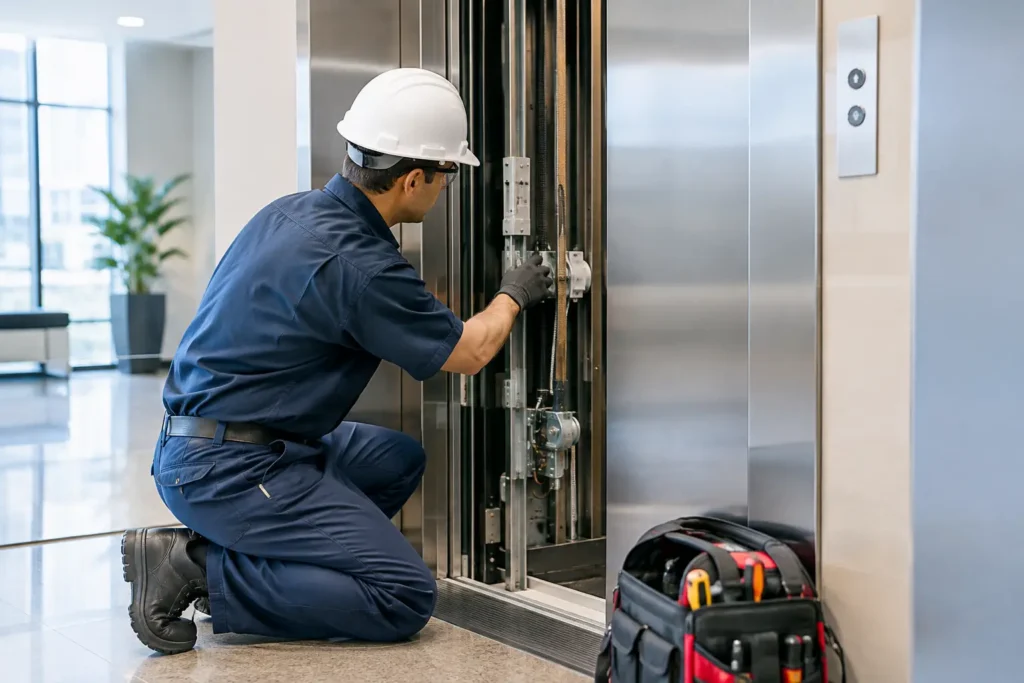
Door systems deserve particular attention. Doors cycle constantly and are responsible for a significant share of service calls. Technicians check opening and closing operation, door protection devices, rollers, guides, locks, contacts, and related adjustments. A door that hesitates, reopens repeatedly, slams, or fails to level with the landing should be evaluated promptly.
Ride quality is another useful indicator. Unusual vibration, noise, jerking, slow acceleration, inconsistent leveling, or extended wait times can point to a developing mechanical or electrical issue. Passengers may notice the symptom first, but an experienced technician can determine whether it is a simple adjustment, a worn component, or a sign that modernization planning should begin.
Preventative visits should also include housekeeping and visual condition checks. Water, dust, heat, and unauthorized storage in equipment areas can contribute to failures or create safety concerns. Keeping control spaces accessible and protecting them from environmental damage supports faster diagnostics when service is needed.
Selecting the Right Maintenance Strategy
There is no single maintenance approach that fits every property. A newer elevator with current controls may need a different service plan than a 30-year-old system with discontinued components. A low-rise residential building has different traffic patterns than a busy medical office, hotel, or high-rise commercial property.
The most useful starting point is an honest equipment assessment. Building owners and managers should understand the age of each major system, recent call history, recurring problems, available parts, upcoming test requirements, and the expected capital needs over the next several years. This creates a maintenance strategy based on actual risk rather than assumptions.
When reviewing a service proposal, look beyond the monthly price. Ask how emergency calls are handled, what response expectations apply, whether labor and parts are included or billed separately, and how recommendations are documented. Confirm that the provider has the technical capability to support the equipment in place, including older or proprietary systems where parts and expertise may be limited.
The lowest-cost agreement is not always the lowest-cost outcome. A contract with limited coverage may be appropriate for certain properties, but it can shift repair risk back to the owner. More comprehensive coverage can improve budget predictability, especially for buildings with older equipment or high passenger use. The right balance depends on the building’s operating budget, equipment condition, and tolerance for unexpected expenses.
When Maintenance Is Not Enough
Consistent maintenance can extend asset life, but it cannot make obsolete equipment new. There comes a point when repeated repairs, poor reliability, unavailable parts, energy use, ride quality, or code requirements make modernization the more responsible option.
Modernization does not always mean replacing every elevator component. A phased project may focus on the controller and fixtures, door equipment, communications, or other systems creating the greatest reliability concern. This approach can help owners prioritize spending while improving performance where it matters most.
A transparent provider will distinguish between a repair that makes sense now and an upgrade that deserves capital planning. That distinction is critical. Building teams need recommendations that reflect operational needs and lifecycle value, not pressure to replace equipment prematurely.
Information Facility Teams Should Track
Good elevator decisions become easier when service history is organized. Keep records of maintenance visits, callbacks, entrapments, inspection reports, test results, proposals, completed repairs, and recurring passenger complaints. These details help identify patterns that may not be visible in a single service visit.
It is also useful to record when issues occur. Does a car fail during morning traffic? Do doors misbehave only at one landing? Has a problem appeared after a power event, renovation, or water intrusion? Specific observations help technicians diagnose faster and reduce repeat callbacks.
For multi-building portfolios, standardizing this information across properties supports better budgeting and vendor oversight. It can also reveal where a modernization program should be prioritized before equipment reliability affects tenant retention or daily operations.
A Reliable Partner Changes the Experience
Elevator service is most valuable when it feels organized before, during, and after the work. That means responsive dispatch for urgent issues, skilled union technicians, clear explanations from the field, and recommendations that account for the building’s long-term goals.
Ascent Elevators approaches maintenance as a building-performance responsibility, with the safety, communication, and follow-through property stakeholders need. Whether a property needs recurring service, repair support, code-related testing, or a plan for aging equipment, the best next step is a candid review of what the system is telling you now – before the next interruption makes the decision for you.