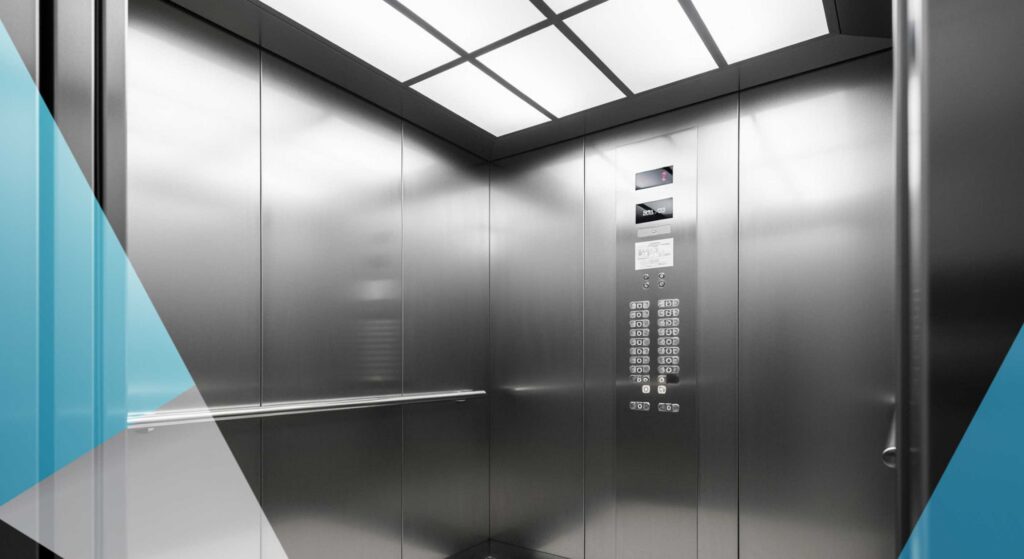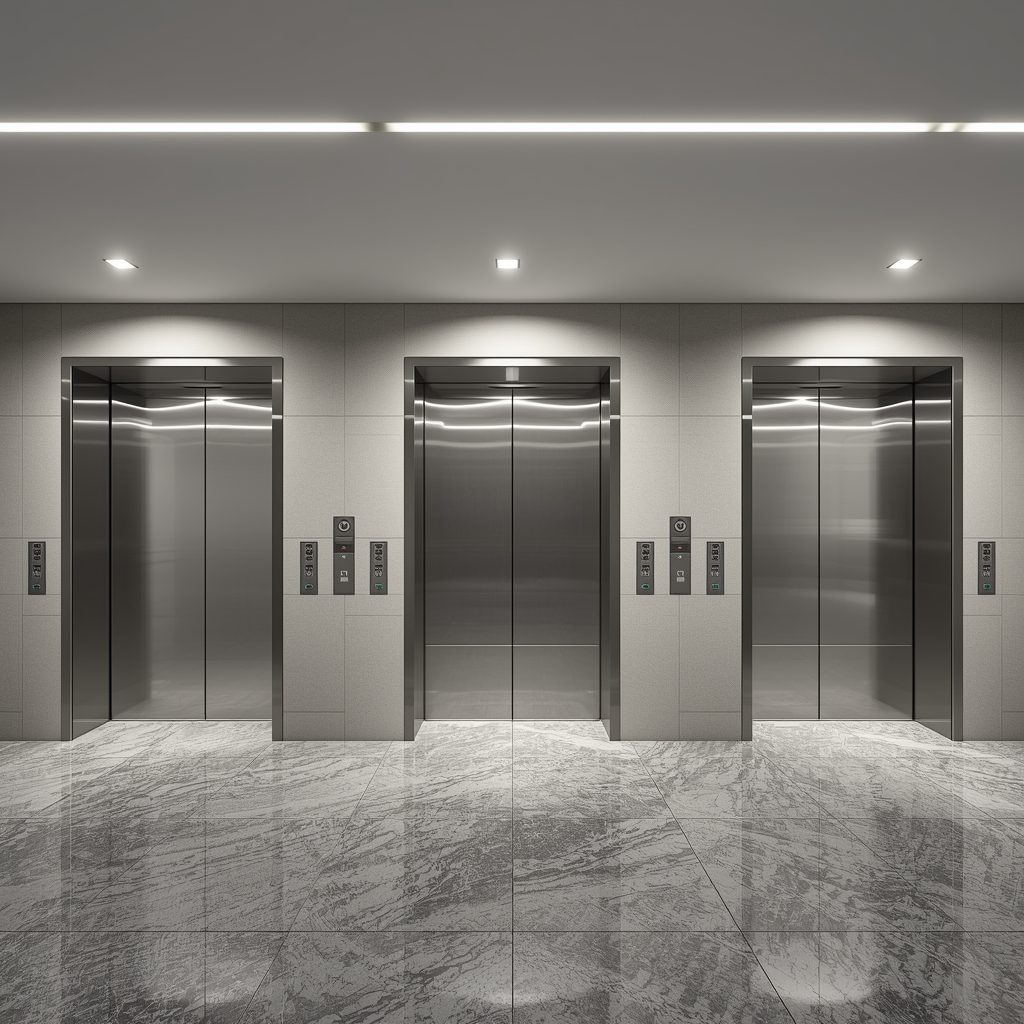
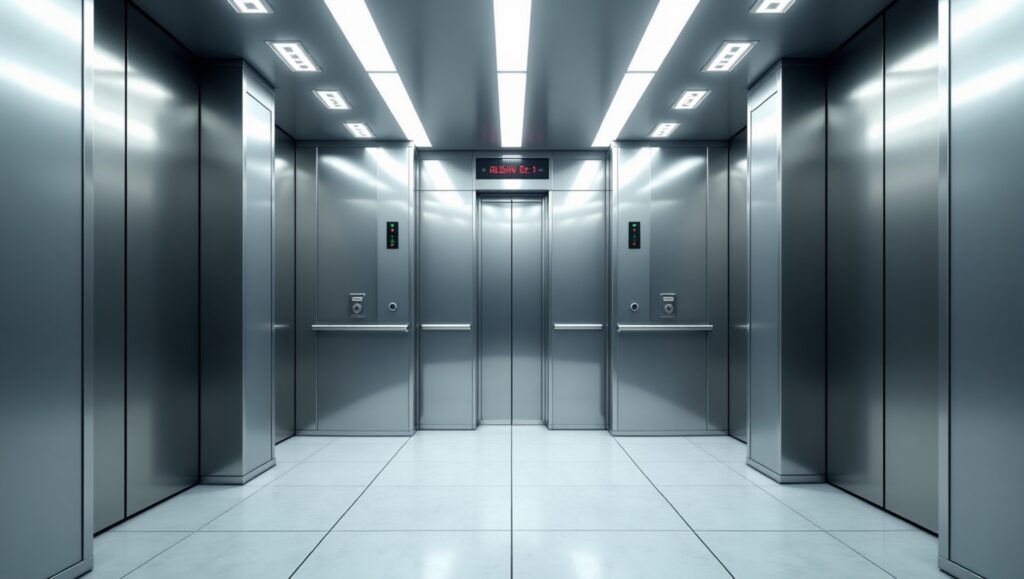
Elevator modernization transforms outdated systems into efficient, safe, and compliant vertical transportation solutions. This process involves upgrading key components while maintaining the existing elevator structure, delivering improved performance without the cost of complete replacement.
Understanding when and how to modernize your elevator system protects your investment and ensures reliable service for years to come. Whether you’re dealing with frequent breakdowns, outdated technology, or compliance issues, modernization offers a strategic solution that addresses multiple challenges simultaneously.
Why Modernize Your Elevator System?
Elevator modernization delivers measurable benefits that extend far beyond basic functionality improvements. These upgrades directly impact your building’s operational efficiency and long-term value.
Enhanced Safety and Reliability
Modern control systems and safety features significantly reduce breakdown frequency and improve passenger safety. Updated components meet current safety standards, eliminating risks associated with obsolete technology.
Energy Efficiency Improvements
New motors, LED lighting, and regenerative drives can reduce energy consumption by up to 50%. These improvements lower operational costs while supporting sustainability goals.
Improved Performance
Modernized elevators operate faster, smoother, and quieter than their outdated counterparts. Advanced control systems optimize travel times and reduce wait periods.
Code Compliance
Modernization ensures your elevator meets current building codes and ADA requirements. This compliance protects against liability issues and potential citations.
Essential Steps in Elevator Modernization
Professional modernization follows a systematic approach that minimizes disruption while maximizing results. Each step builds upon the previous one to ensure comprehensive system improvement.
Comprehensive System Assessment
Professional technicians evaluate your elevator’s current condition, identifying components that require upgrade or replacement. This assessment determines the modernization scope and budget requirements.
Component Selection and Planning
Based on the assessment, specialists select appropriate components, including controllers, motors, door systems, and safety devices. Planning considers building requirements, usage patterns, and budget constraints.
Phased Installation Process
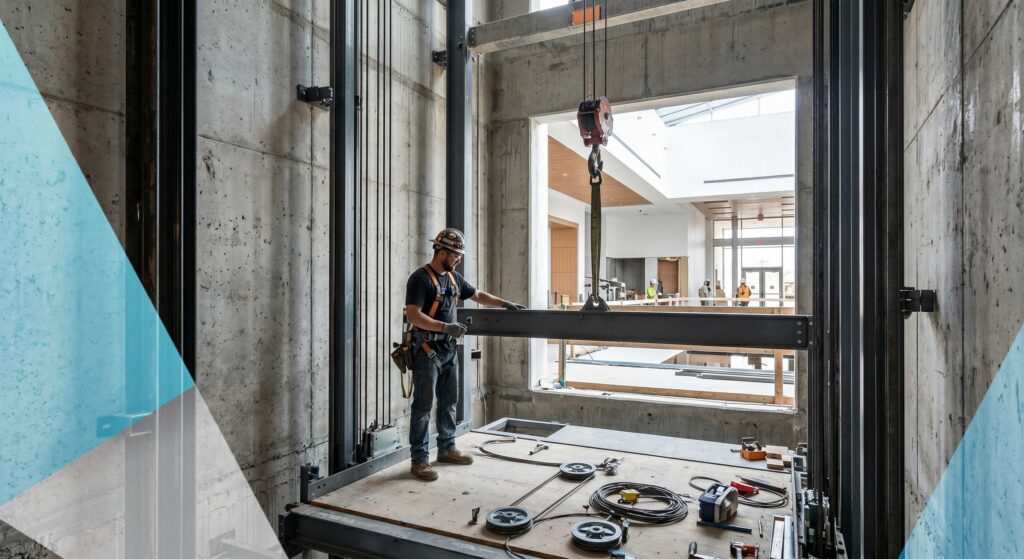
Modernization typically occurs in phases to minimize service disruption. Critical components are replaced systematically, with testing at each stage to ensure proper integration.
Testing and Commissioning
Extensive testing verifies that all systems operate correctly and meet performance specifications. This phase includes safety testing, load testing, and performance validation.
Ensuring Compliance and Safety Standards
Elevator modernization must adhere with current safety regulations and building codes. Professional providers understand these requirements and implement necessary upgrades accordingly.
Modern safety systems include emergency communication devices, fire service operations, and enhanced door protection systems. These features protect passengers and ensure compliance with ASME A17.1 standards and local building codes.
Regular inspections and testing validate ongoing compliance after modernization completion. Proper documentation ensures you can demonstrate regulatory adherence during official inspections.
Selecting Your Modernization Provider
Choose providers with proven experience in elevator modernization projects. Look for companies that employ certified technicians and maintain relationships with major component manufacturers.
Verify licensing, insurance coverage, and industry certifications. Professional providers should offer comprehensive warranties on modernization work and demonstrate ongoing support capabilities.
Request detailed proposals that outline specific components, timelines, and performance expectations. Compare proposals carefully, focusing on value rather than lowest cost alone.
Transform Your Vertical Transportation Today
Elevator modernization represents a strategic investment in your building’s future. Modern systems deliver improved safety, efficiency, and reliability while ensuring regulatory compliance.
Professional modernization extends your elevator’s service life while reducing maintenance costs and improving tenant satisfaction. The investment pays dividends through reduced downtime, lower energy costs, and enhanced building value.
At Ascent Elevators, we view modernization as more than an upgrade—it’s a long-term investment in your building’s safety, efficiency, and value. Our team of IUEC-trained technicians delivers tailored modernization solutions using non-proprietary components, ensuring smoother rides, reduced energy costs, and full compliance with today’s codes.
With decades of expertise and an expanding service network across Virginia, D.C., Maryland, Delaware, Pennsylvania, Illinois, Missouri, and Tennessee, we’re committed to providing responsive service, clear communication, and lasting results.
Don’t wait for a system failure to force your decision.
Contact us today to discuss your elevator modernization needs and discover how we can enhance your vertical transportation system’s performance and reliability.