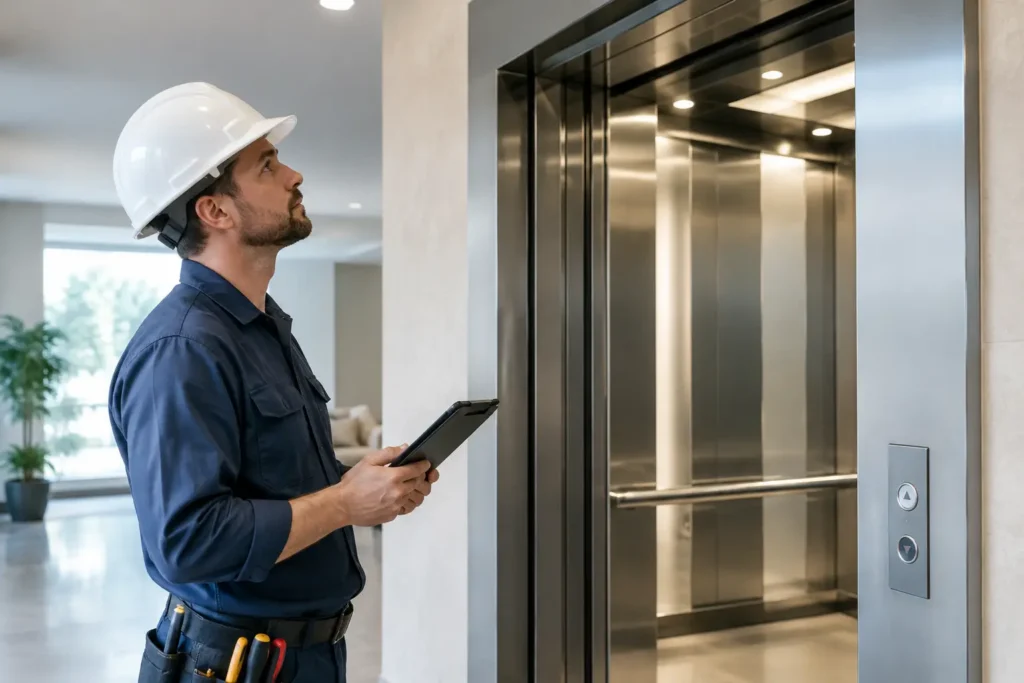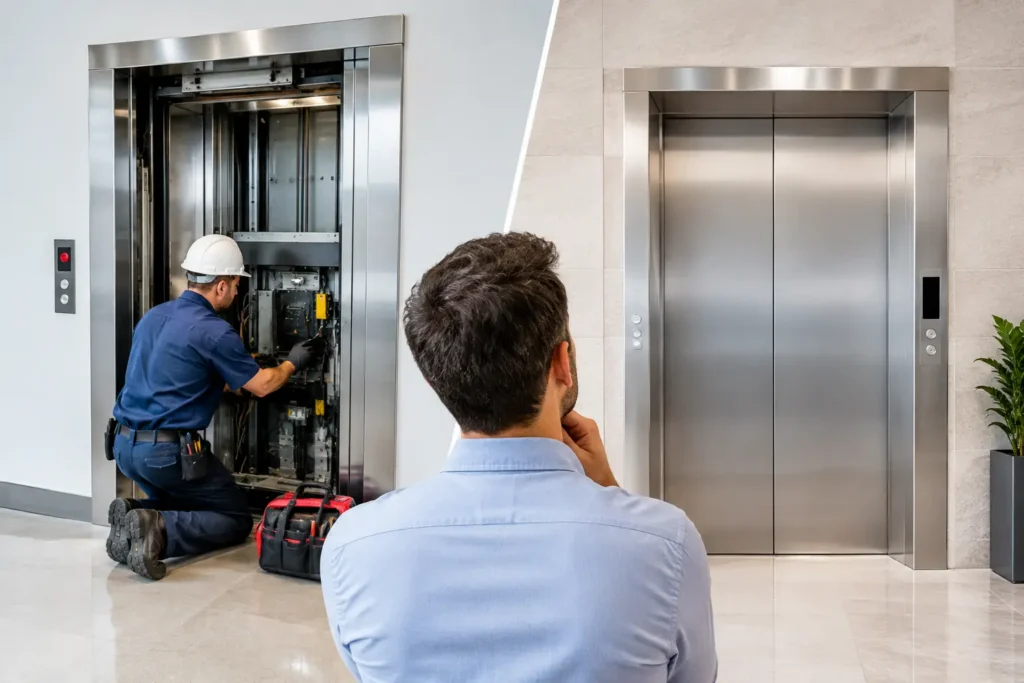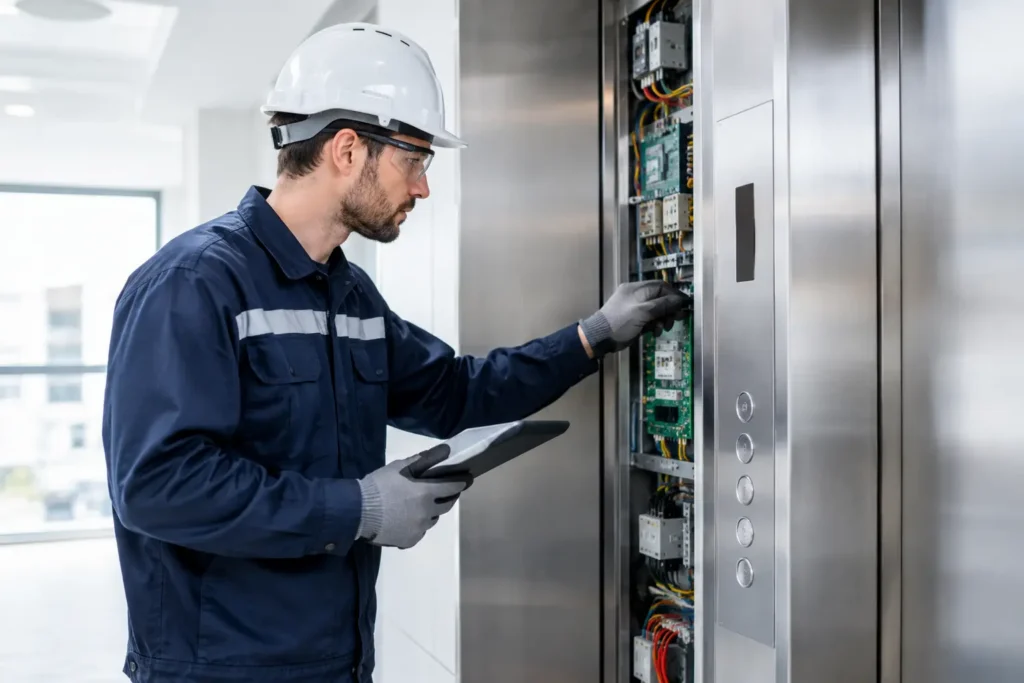


An elevator shutdown at 8:00 a.m. can affect far more than one ride. It can delay tenants, restrict accessibility, disrupt deliveries, create safety concerns, and put building staff under immediate pressure. That is why an elevator service agreement comparison should focus on operational outcomes, not just the monthly contract price. The right agreement gives your team a clear path from routine maintenance to emergency response, repair decisions, compliance work, and long-term capital planning.
A low monthly rate may look attractive until a controller failure, door equipment issue, or after-hours entrapment reveals what the agreement does not include. Property owners and facility managers need to know exactly who is accountable, how quickly technicians will respond, what labor and parts are covered, and how recommendations will be documented.
Start an Elevator Service Agreement Comparison With Your Building
No two elevator agreements should look identical because no two buildings have the same traffic patterns, equipment age, risk profile, or budget priorities. A high-rise office tower with destination dispatch has different service needs than a residential property with two hydraulic elevators. A medical office building may prioritize patient access and rapid response, while a warehouse may need dependable freight elevator performance.
Before comparing proposals, document the basics: the number and type of units, equipment manufacturer and age, recent repair history, current violations, inspection dates, and recurring service issues. Also consider how an outage affects your occupants. A single elevator in a four-story senior living property carries a much different consequence than one unit out of six in a large apartment community.
This information helps a service provider recommend an agreement based on actual risk rather than a generic contract tier. It also helps your team identify whether frequent breakdowns point to deferred maintenance, obsolete components, poor prior repairs, or an approaching modernization need.
Compare Coverage, Not Just Contract Labels
Terms such as full maintenance, full-service, preventive maintenance, and oil and grease are not standardized across the industry. Two agreements with similar names can have very different inclusions and exclusions. Read the scope of work line by line.
A preventive maintenance agreement generally covers scheduled visits, routine adjustments, lubrication where applicable, inspections, and basic service documentation. It may be the right fit for newer equipment with a limited repair history, provided the property maintains a realistic repair reserve. However, labor and materials for repairs may be billed separately.
A more comprehensive agreement can include a broader range of repair labor and parts. This may create more predictable operating costs for aging equipment or buildings where unplanned invoices are difficult to absorb. Still, comprehensive does not always mean every component is included. Certain items, such as cab finishes, hoistway equipment, vandalism damage, water damage, code-required upgrades, and obsolete parts, may remain outside the agreement.
Ask each provider to identify coverage in plain language. A clear proposal should distinguish among routine maintenance, callback labor, after-hours labor, replacement parts, consumables, testing support, and major repair work. If a component is excluded, the agreement should make that visible before a failure occurs.
Watch for common exclusions
Exclusions are not automatically a red flag. Some work is appropriately separate because its cost and scope are too variable to price into a monthly agreement. The concern is vague language that leaves room for surprises.
Pay close attention to exclusions involving controller components, door operators, hydraulic cylinders, jack work, ropes, traveling cables, car and hall fixtures, batteries, fire service functions, and electronic boards. Also ask how the provider handles parts that are no longer manufactured. An agreement that includes labor but provides no plan for obsolete equipment can still leave the building exposed to a substantial expense.
Response Time Is a Building-Performance Issue
An elevator agreement should set expectations for response, especially for passenger entrapments, elevators out of service, and recurring shutdowns. Ask whether the provider has defined priority levels and whether response commitments apply around the clock or only during standard business hours.
Response time is not only about arriving at the building. It is also about communication. Your building team should know when a technician has been dispatched, what was found, whether the elevator can safely return to service, and what next step is required. Clear diagnostics allow facility managers to update tenants, coordinate security or accessibility support, and approve needed work without unnecessary delay.
Consider the service provider’s technician coverage in your region, dispatch process, and ability to source parts. A provider may offer an aggressive response promise, but the practical value depends on local staffing, inventory access, and escalation procedures. Fast, responsive service requires more than a phone number. It requires an accountable operating system.
Evaluate Preventive Maintenance Quality
The number of visits matters, but what happens during those visits matters more. A contract that schedules monthly maintenance but provides little evidence of work completed may not protect equipment life or uptime.
Ask what technicians inspect on each visit and how the findings are reported. Useful maintenance documentation identifies observed conditions, corrective actions taken, outstanding risks, recommended repairs, and equipment trends. This gives building engineers and owners a record they can use for budgeting and compliance planning.
For older systems, preventive maintenance should also include a forward-looking discussion about reliability. Repeated adjustment of a failing component is not a long-term solution. A dependable provider explains when a repair is reasonable, when a component should be proactively replaced, and when modernization planning will produce better value than continuing to react to failures.
Confirm technician qualifications and continuity
Elevator systems are specialized equipment, and technician skill directly affects safety, troubleshooting accuracy, and repair quality. Ask who will service your property, how technicians are trained, and how the provider supports complex electrical, mechanical, and software-related issues.
Continuity can be valuable as well. A technician who understands the equipment history and the building’s operational needs can identify patterns earlier and communicate more effectively with on-site staff. At the same time, the provider should have sufficient depth to support emergencies, vacations, and specialized repairs without leaving the property dependent on one person.
Make Pricing Transparent and Comparable
The monthly fee is only one part of the cost. A useful elevator service agreement comparison evaluates the total financial picture: contract rate, hourly labor rates, overtime rates, callback charges, trip fees, material markups, escalation clauses, testing costs, and renewal terms.
Request a clear schedule for billable work that falls outside the agreement. If a repair proposal is needed, ask whether it will include diagnostic findings, recommended scope, parts, labor, and estimated downtime. This makes it easier to compare recommendations from different providers and to explain expenditures to ownership or a board.
Be cautious about agreements with unusually low entry pricing and broad language that allows frequent add-on charges. The least expensive contract can become the most costly arrangement if it produces repeated emergency invoices, shortened component life, or unresolved root causes.
Price predictability also depends on contract length and annual increases. Multi-year terms can offer stability, but they should be paired with clear performance expectations, reasonable renewal conditions, and a defined process for addressing service concerns. Flexibility matters when a building is nearing a major modernization or equipment replacement decision.
Include Safety, Testing, and Compliance Responsibilities
Maintenance agreements should support, not replace, the building’s responsibility to maintain safe and compliant equipment. State and local requirements vary, and inspection findings can require timely action. Your provider should help clarify what testing, documentation, and corrective work are needed to keep the elevator operating safely.
Ask whether the agreement addresses required safety tests, inspection coordination, fire service testing, documentation support, and violation corrections. Determine which services are included and which are separately quoted. A transparent provider will explain the difference between routine maintenance, mandated testing, and capital improvements rather than blending them into unclear billing categories.
Compliance planning is especially important for properties with aging equipment, changes in building use, or renovations that affect elevator systems. Early visibility gives owners time to budget, schedule work, and avoid rushed decisions after an inspection issue or shutdown.
Choose a Partner for the Equipment Lifecycle
The strongest agreement is not a promise that nothing will fail. Elevators are complex systems with moving parts, electrical controls, and components that eventually wear out. A strong agreement establishes how failures will be handled, how risks will be identified early, and how the building will make informed decisions when larger investments are needed.
Look for a provider that can support maintenance, emergency calls, repairs, modernization, testing, code work, and new equipment needs without treating each event as an isolated transaction. Ascent Elevators approaches service with that long-term accountability, combining clear diagnostics, skilled technician support, and practical recommendations tailored to each property.
When you compare agreements, ask the question that matters after the proposal is signed: will this provider help our building stay safe, informed, and operational when the unexpected happens? The best contract gives your team more than scheduled visits. It gives you a reliable plan for protecting people, equipment, and the value of the property.