
A freight elevator that stops during a delivery window can disrupt far more than one trip between floors. It can delay tenants, tie up loading docks, create safety exposure, and force staff into costly workarounds. This freight elevator maintenance guide helps property stakeholders build a practical plan for dependable operation, informed repairs, and longer equipment life.
Freight equipment works under conditions that passenger elevators rarely face. Repeated heavy loads, pallet impacts, carts striking doors and sills, dust from loading areas, and long hold times all add wear. Preventive maintenance is not simply a required service visit. It is a building-performance strategy that protects uptime, supports code compliance, and gives owners better control over repair and modernization spending.
Start With How the Elevator Is Actually Used
Maintenance should reflect the equipment’s real workload, not a one-size-fits-all schedule. A hospital service elevator, an apartment building’s move-in elevator, and a warehouse freight lift may have similar components but very different operating demands.
Begin by documenting what the elevator carries, how often it runs, and when it experiences its heaviest traffic. Note recurring events such as tenant move-ins, food or supply deliveries, trash runs, construction activity, or seasonal inventory movement. Also record whether staff routinely hold doors open, use carts with hard wheels, or exceed the rated capacity. These details help a service provider identify wear patterns before they become failures.
The condition of the loading environment matters, too. Water, debris, corrosive materials, extreme temperatures, and poor dock drainage can affect door equipment, electrical connections, pit components, and machine-room systems. An elevator may be mechanically sound yet still experience preventable problems because the surrounding area is working against it.
What a Freight Elevator Maintenance Guide Should Cover
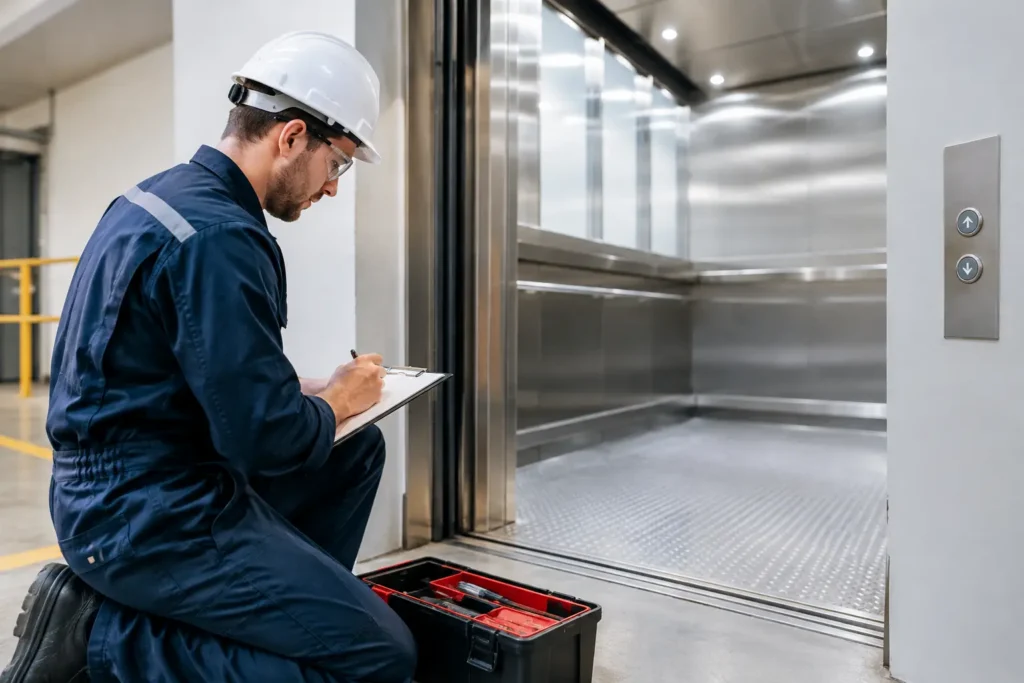
A thorough maintenance program combines scheduled inspection, adjustment, cleaning, testing, and clear reporting. The objective is not to replace parts on a calendar without evidence. It is to identify conditions that could affect safe, reliable operation and address them at the right time.
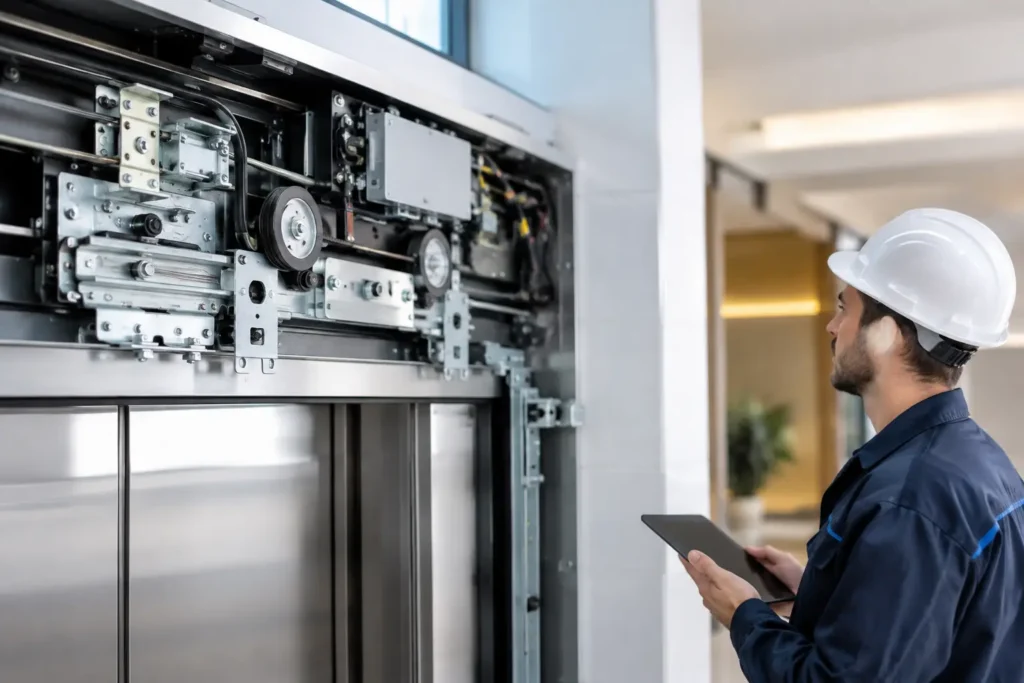
During routine visits, qualified elevator technicians should evaluate the elevator’s traveling equipment, landing doors, car doors, door operators, hoistway components, safety devices, controller, machine-room equipment, and pit. The technician should also review operating performance, including leveling accuracy, door timing, unusual noises, vibration, fault history, and signs of overheating or electrical issues.
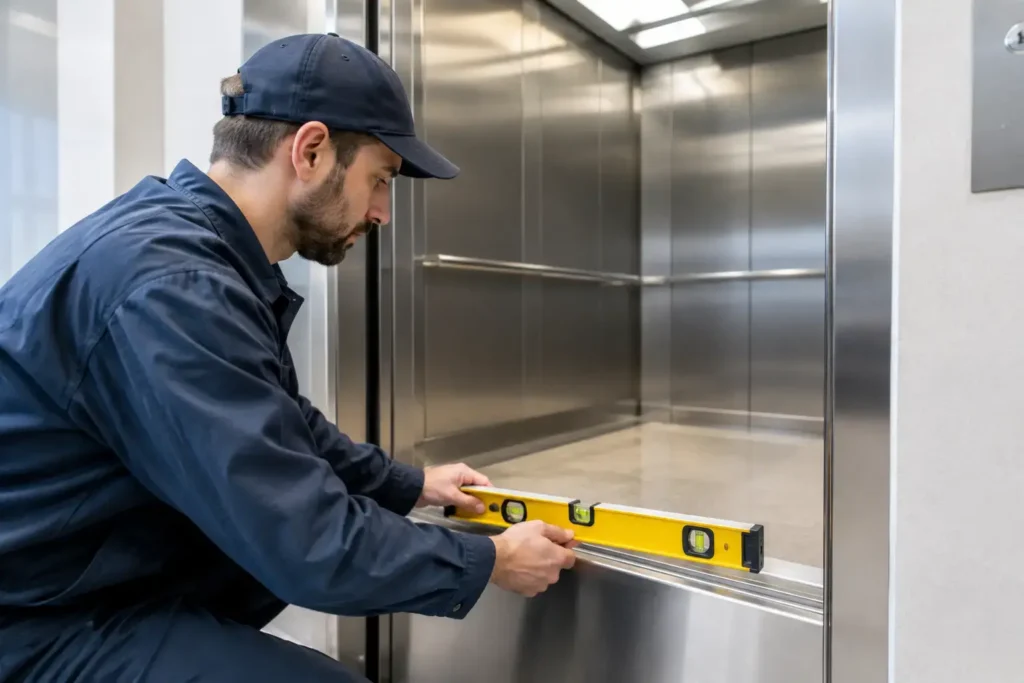
For a freight elevator, door systems deserve particular attention. Doors absorb frequent contact from carts, pallets, hand trucks, and occupants attempting to speed up loading. Damaged tracks, worn rollers, loose hardware, bent door panels, and contaminated sills can lead to nuisance shutdowns or create a serious hazard. Keeping sills clear is a small operational step with an outsized effect on reliability.
The car interior should not be ignored. Protective wall panels, gates, lighting, flooring, and handrails help protect both people and equipment. If wall protection is damaged or missing, loads can strike operating panels, door edges, and interior fixtures. Facilities teams should use removable protective pads or approved interior protection during moves and construction activity rather than improvising with materials that interfere with doors or safety devices.
Build a Schedule Around Risk, Not Just Minimum Requirements
Required inspection and testing intervals vary by jurisdiction, elevator type, and applicable code. Your maintenance agreement should account for those requirements while also responding to use intensity and equipment condition. A lightly used freight elevator may need a different service approach than a high-cycle service elevator operating across multiple shifts.
Monthly or regularly scheduled preventive visits often make sense for equipment with consistent commercial traffic, but the right frequency depends on the building. Older systems, equipment with known door issues, elevators exposed to harsh loading conditions, and units supporting critical operations may require more attention. Conversely, increasing visit frequency will not solve every problem if a component has reached the end of its useful life. That is where transparent diagnostics and capital planning become essential.
Ask for service reports that describe the work completed, findings observed, parts recommended, and the operational reason for each recommendation. A useful report should help a facility manager answer practical questions: Is this a safety concern? Is it causing callbacks? Can the repair be planned, or does it need immediate action? What happens if it is deferred?
Prevent Damage Between Service Visits
The building team plays a direct role in freight elevator reliability. Technicians maintain the system, but daily users can either preserve it or accelerate wear.
Establish clear loading rules for vendors, tenants, and staff. Do not exceed the rated capacity, force doors open or closed, block door edges, bypass gates, or use the elevator to transport materials that can spill into door tracks or the hoistway. Loads should be centered when possible and secured so they do not shift during travel. For oversized moves, confirm the car dimensions, door opening, capacity, and building procedures before the delivery arrives.
A practical site checklist should include these recurring items:
- Keep door sills, tracks, and thresholds free of trash, gravel, shrink wrap, and liquid.
- Report door dragging, rough leveling, unusual sounds, flickering lights, or repeated fault messages immediately.
- Inspect protective pads, wall panels, gates, and interior fixtures after major deliveries or tenant moves.
- Keep access to controller rooms, machine rooms, disconnects, and elevator landing doors clear for authorized personnel.
- Log shutdowns and callbacks with the date, location, symptoms, and conditions present when the issue occurred.
This documentation is especially valuable when problems are intermittent. A pattern of failures after rain, during early-morning deliveries, or on a particular floor gives the technician a better starting point than a general report that the elevator is “acting up.”
Know When a Repair Is More Than a Repair
Not every recommendation calls for modernization. Replacing worn rollers, contacts, belts, bearings, door equipment, wiring, or hydraulic components can be a sensible repair when the broader system remains serviceable. The right decision depends on the part’s condition, availability, effect on uptime, and relationship to other aging components.
However, recurring callbacks, obsolete controller parts, unreliable door operation, leveling problems, and escalating repair costs may signal that a larger upgrade deserves evaluation. Modernization can improve diagnostics, ride quality, energy use, door performance, and part availability. It can also reduce operational uncertainty when an aging system is becoming difficult to support.
The trade-off is capital cost and project coordination. Modernization may require planned downtime, coordination with tenants and deliveries, and careful review of current code requirements. An honest recommendation should distinguish between a repair that restores dependable service and a modernization that addresses broader lifecycle risk. Owners should not be pushed toward replacement when targeted repairs are appropriate, but deferring a necessary upgrade can become more expensive when failures begin affecting operations.
Treat Testing and Compliance as Ongoing Work
Safety testing, inspections, permits, and documentation are part of operating an elevator responsibly. Requirements differ among states and local authorities, so property teams should confirm the rules that apply to their location and equipment. Keep inspection certificates, test records, maintenance reports, repair proposals, and incident documentation organized and available.
Code compliance can also become relevant after an alteration, modernization, change in use, or major repair. A qualified elevator partner can help identify which requirements affect the scope before work begins. That early review prevents a project from stalling after equipment has been ordered or downtime has been scheduled.
Emergency communication deserves the same attention. Verify that required in-car communication equipment works as intended, that staff know who to call during an entrapment, and that tenants understand they should never attempt to force open elevator doors. Fast response matters, but prevention, accurate reporting, and safe procedures matter just as much.
Choose Accountability Over Guesswork
The strongest maintenance relationship is built on more than routine visits. It includes responsive emergency support, clear findings, qualified technicians, honest repair recommendations, and a plan for the equipment’s remaining life. Ascent Elevators approaches freight systems as long-term building assets, coordinating maintenance, repairs, safety testing, modernization, and code-compliance work around each property’s operational needs.
A well-maintained freight elevator does its job quietly: deliveries move, staff stay productive, tenants avoid disruption, and building teams can plan rather than react. Start with a clear record of how the elevator is used, insist on transparent service documentation, and address developing issues while they are still manageable.