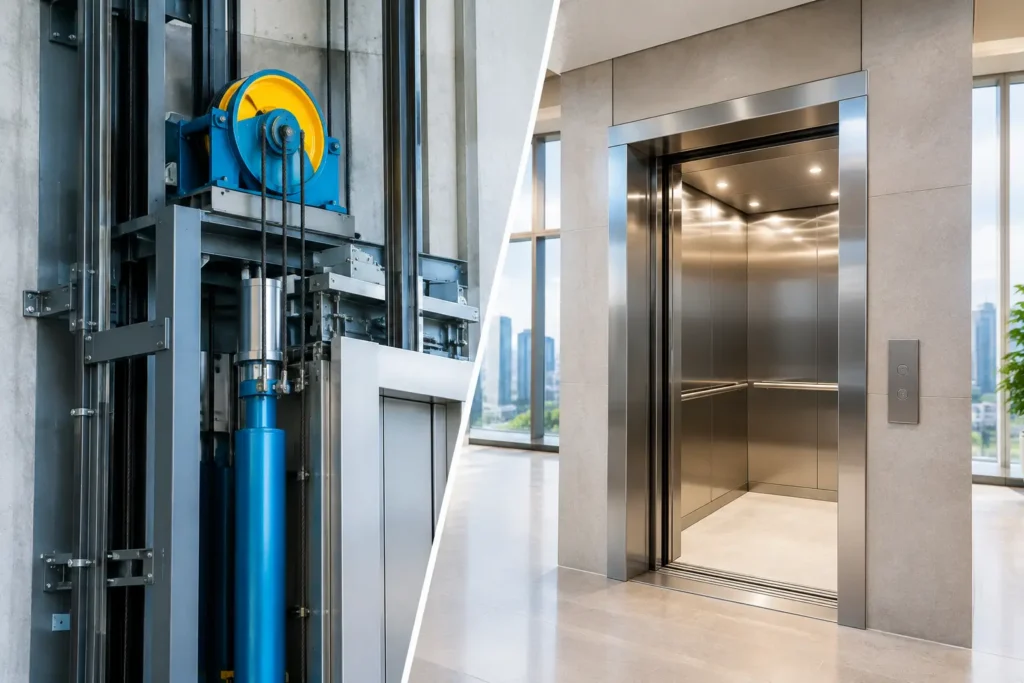

An elevator can appear to be running normally right up until a worn door component, leveling issue, or controller fault takes it out of service. A commercial elevator maintenance contract is how property teams reduce those surprises, protect rider safety, and create a clear plan for the equipment that keeps a building moving.
For commercial owners and facility managers, the right agreement is more than a scheduled visit. It sets expectations for response times, inspections, repair recommendations, documentation, and long-term planning. The details matter because every hour of elevator downtime can affect tenants, visitors, accessibility, operations, and the building’s reputation.
What a Commercial Elevator Maintenance Contract Should Deliver
A maintenance contract should be built around dependable performance, not just the lowest monthly price. At its best, it gives your building a consistent service process: trained technicians inspect the equipment, identify developing issues, address routine maintenance needs, and communicate what requires attention before it becomes an urgent repair.
The right scope depends on the equipment, traffic volume, building use, and age of the system. A low-rise office building with one hydraulic elevator has different needs than a high-traffic medical facility, multifamily tower, hotel, or mixed-use property with several traction units. A contract should reflect those differences rather than apply the same service schedule to every elevator.
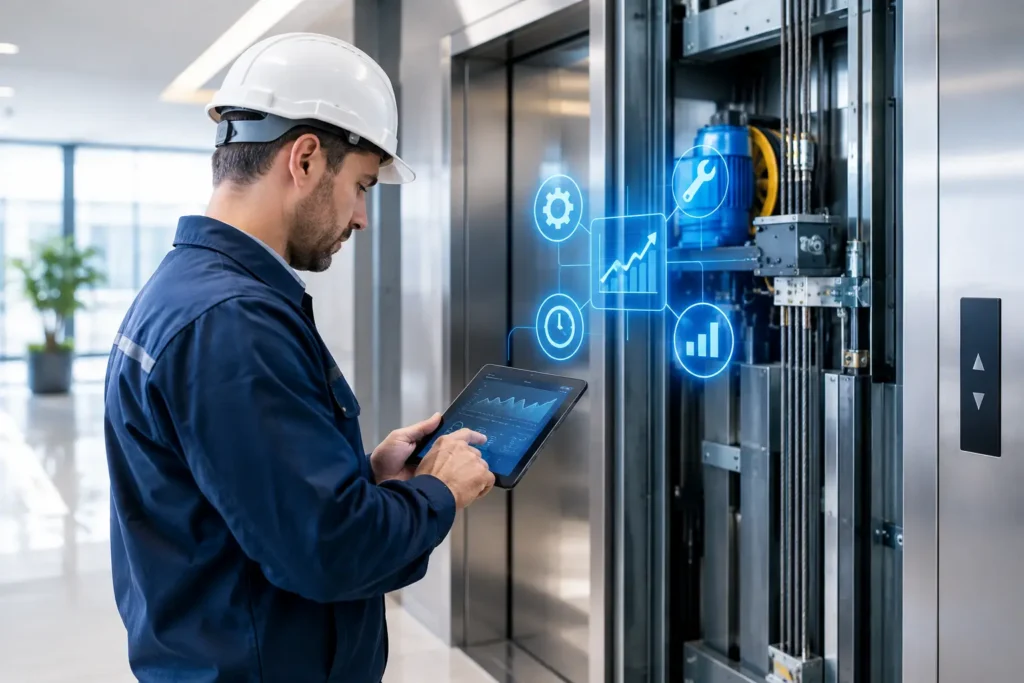
A strong agreement also creates accountability. Your provider should be able to explain what was inspected, what was adjusted, what condition the equipment is in, and what work is recommended next. Clear diagnostics allow building stakeholders to make informed decisions instead of approving repairs with little context.
Define the Maintenance Scope Before Comparing Price
Not all maintenance agreements cover the same work. Two proposals with similar monthly rates can have very different exclusions, labor terms, and response commitments. Before comparing numbers, ask what is included in the recurring service and what will be billed separately.
Preventive maintenance commonly includes scheduled visits, lubrication where applicable, adjustment of operating components, basic cleaning, inspection of safety devices, review of door operation, and checks of controller performance. The goal is to catch wear, misalignment, unusual operation, and other conditions early.
However, preventive maintenance does not make every repair free. Worn parts, damaged components, vandalism, water intrusion, code-required upgrades, and failures caused by conditions outside normal maintenance may fall outside the base agreement. That is not necessarily a concern if those exclusions are plainly stated and the provider gives transparent recommendations before additional work begins.
Ask how the contract handles common repair categories, including door equipment, rollers, contacts, hydraulic components, drive systems, emergency communication equipment, batteries, and controller boards. On older equipment, parts availability deserves special attention. A service provider should tell you when a component is becoming difficult to source and discuss practical options well before a failure creates an extended outage.
Response Time Is an Operational Commitment
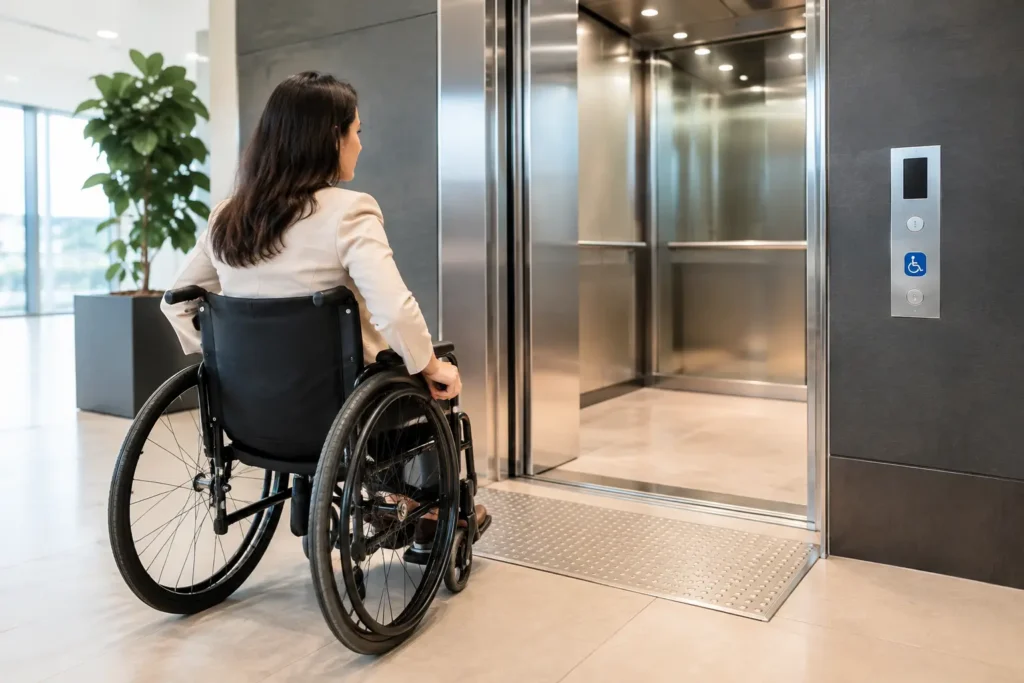
When an elevator is down, the urgency is not always the same. An entrapment call requires immediate action. A single elevator out of service in a building with multiple units may be disruptive but manageable. A shutdown in an accessible public building, senior living community, medical office, or property with only one elevator can quickly become a serious operational issue.
Your contract should explain how emergency calls are received, how dispatch works after hours, and what response expectations apply to entrapments and service outages. It should also establish how your team will receive updates. Fast service matters, but so does communication while the repair is being diagnosed, parts are being located, or a return visit is required.
Look for a partner that distinguishes between a temporary reset and a real correction. Returning an elevator to service is valuable, but recurring faults should be investigated and documented. Repeated callbacks often signal an underlying issue that needs a more complete repair or modernization strategy.
Understand Labor, Parts, and Repair Authorization
Contract language around labor and parts has a direct effect on annual operating costs. Some agreements include only routine maintenance, while others include certain labor hours or limited repair coverage. Full-service arrangements may provide broader coverage, but they can carry a higher monthly cost and still contain exclusions.
There is no single best model for every property. A newer elevator with reliable components may benefit from a straightforward preventive maintenance agreement and separately approved repairs. An aging system with frequent service needs may justify more comprehensive coverage if the pricing, exclusions, and renewal terms are clear.
Pay attention to repair authorization procedures. Your provider should communicate the condition found, the recommended solution, the expected impact of delaying the work, and the cost before moving forward when approval is required. For urgent safety issues, establish in advance who can authorize work and what spending threshold applies. That preparation avoids delays when a building engineer, property manager, and owner all need to weigh in.
Maintenance Records Support Safety and Capital Planning
Well-maintained elevators produce useful information. Service reports, repair history, testing records, and recurring fault patterns help a property team understand whether it is dealing with isolated repairs or approaching a larger lifecycle decision.
This documentation is especially valuable when budgeting for modernization. Replacing a controller, upgrading door equipment, improving leveling performance, or addressing obsolete components can extend useful life and improve reliability. Modernization is not always the immediate answer, but waiting until failures become constant usually limits options and raises disruption.
A knowledgeable service partner should provide honest recommendations based on the condition of your equipment, not pressure a replacement project when targeted repairs can reasonably support continued operation. At the same time, they should be direct when continued patchwork repairs are no longer cost-effective or when parts obsolescence creates unacceptable risk.
Include Compliance and Testing Responsibilities
Elevator compliance is a shared operational responsibility. Building owners and managers must understand local inspection and testing requirements, while their elevator provider should help coordinate the technical work, correct deficiencies, and keep maintenance records organized.
Confirm whether your commercial elevator maintenance contract addresses support for required safety testing, inspection preparation, and follow-up repairs. The contract may not include every test or correction in its base price, but the responsibilities should be clear. Surprise deficiencies and missed deadlines can create unnecessary cost, downtime, and administrative pressure.
It is also wise to clarify who communicates with inspectors, who schedules access, and how deficiencies are documented. A provider that understands your building’s operating schedule can help coordinate work with less disruption to tenants and visitors.
Review the Agreement Like a Long-Term Partnership
Before signing, review the service frequency, contract term, renewal language, cancellation provisions, rate increases, labor rates, travel charges, and exclusions. Ask for plain-language explanations of anything that is unclear. A dependable provider will not treat reasonable contract questions as an inconvenience.
The first months of service are also a useful benchmark. Are visits occurring as scheduled? Are reports specific? Does the technician communicate clearly with your building contact? Are recommendations prioritized by safety, reliability, and budget impact? These details reveal whether the agreement is delivering the long-term support it promised.
Ascent Elevators approaches maintenance as a building-performance function, pairing skilled union technicians with transparent diagnostics and responsive service. The objective is straightforward: keep equipment safe, reliable, and supported throughout its lifecycle.
The best time to evaluate your elevator agreement is before the next preventable outage. A clear contract, honest condition assessment, and responsive service relationship give your team room to plan rather than react.