
A credible elevator modernization cost estimate starts before a contractor prices a controller or proposes a cab refresh. Building owners and facility teams need to understand what is failing, what must meet current code, and which upgrades will protect uptime for the next stage of the equipment’s life. The right scope is not simply the least expensive one. It is the one that addresses safety, reliability, tenant expectations, and the building’s capital plan.
For an aging elevator, deferred decisions can become expensive quickly. Intermittent shutdowns, unavailable replacement parts, door failures, tenant complaints, and repeat service calls all create costs that do not always appear on a project quote. A thoughtful modernization plan turns those risks into a defined investment with clear priorities.
What an Elevator Modernization Cost Estimate Should Include
Modernization is a broad term. One project may focus on a nonproprietary controller and related wiring, while another includes new door equipment, fixtures, cab finishes, machine-room work, and code-required upgrades. A useful estimate separates these components so decision-makers can see what is essential, what is optional, and what can reasonably be phased.
At minimum, an estimate should define the equipment being replaced, labor and access requirements, anticipated downtime, testing, permits, and project management. It should also identify assumptions. For example, a price based on reusing existing traveling cable, door tracks, or machine-room electrical service can change if field conditions show those components are no longer serviceable.
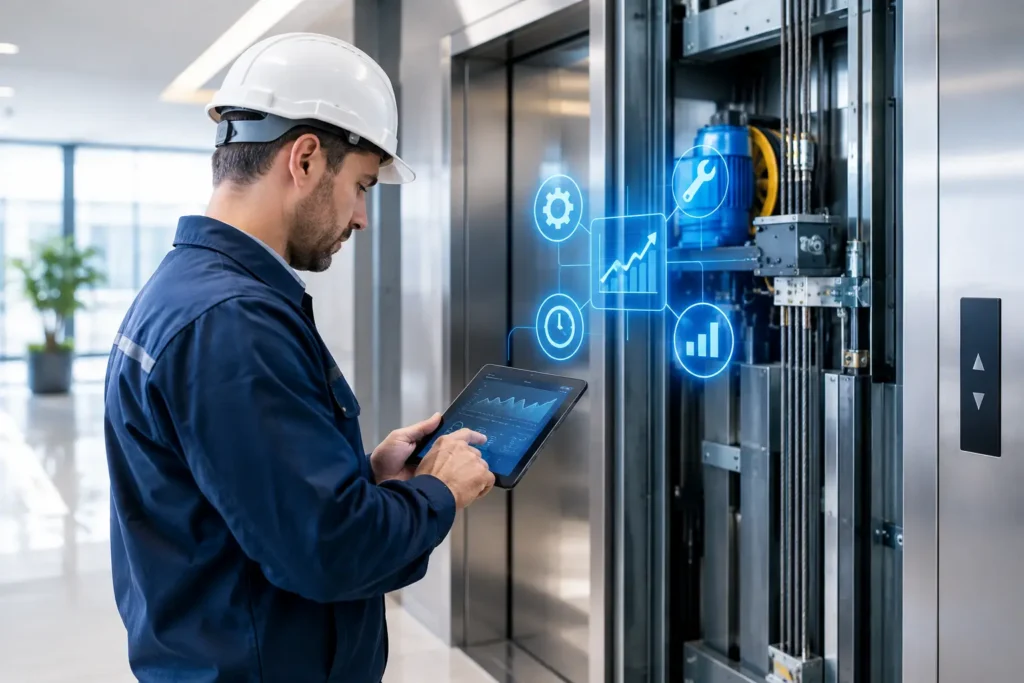
Transparent diagnostics matter here. A building should know whether a recommendation is driven by a current safety issue, recurring reliability problem, obsolete equipment, accessibility requirement, cosmetic goal, or planned property renovation. These drivers lead to very different scopes and budgets.
Typical Cost Ranges and Why They Vary
Every building is different, but broad planning ranges can help owners begin a capital discussion. A controls-focused modernization for a single elevator may fall in the range of $30,000 to $80,000. A more comprehensive project that includes controller work, fixtures, door operators, cab updates, and associated code improvements can range from $100,000 to $250,000 or more per elevator.
These figures are planning benchmarks, not a substitute for a site-specific proposal. High-rise traction systems, restricted machine-room access, premium interior finishes, complex hoistway conditions, and major electrical work can push costs higher. Smaller hydraulic systems may have a different cost profile, particularly when the project includes power-unit replacement, cylinder-related concerns, or machine-room remediation.
The lowest initial number is not always the lowest lifecycle cost. Retaining unreliable door equipment to reduce the project price may preserve a known source of callbacks. Conversely, replacing equipment that remains dependable and supportable may not be necessary. The best recommendation follows the condition of the system, not a one-size-fits-all package.
The equipment scope
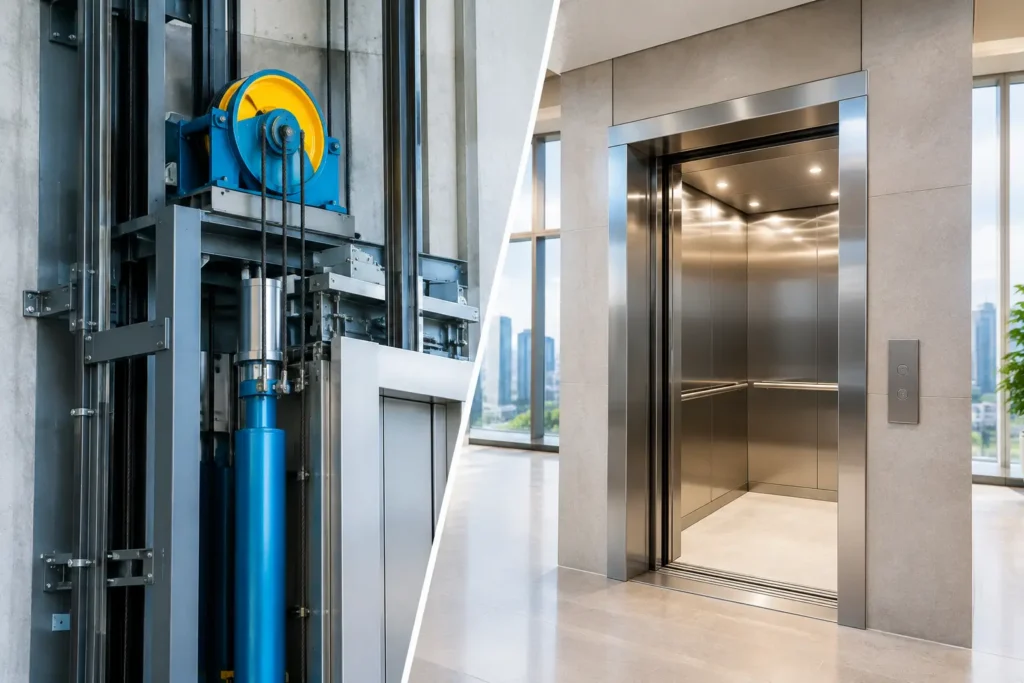
The controller is often the center of a modernization, especially when the existing unit has limited diagnostic capability, discontinued components, or recurring faults. A current controller can improve troubleshooting, support better dispatch functions where applicable, and make long-term service more manageable. The final cost depends on the controller type, field wiring condition, interface requirements, and whether related components must be upgraded at the same time.
Door systems deserve equal attention. Doors are among the most active and frequently serviced elevator components. New operators, clutches, rollers, sensors, and protective devices can materially improve performance, but the scope may expand if door panels, tracks, sills, or hoistway entrances require repair.
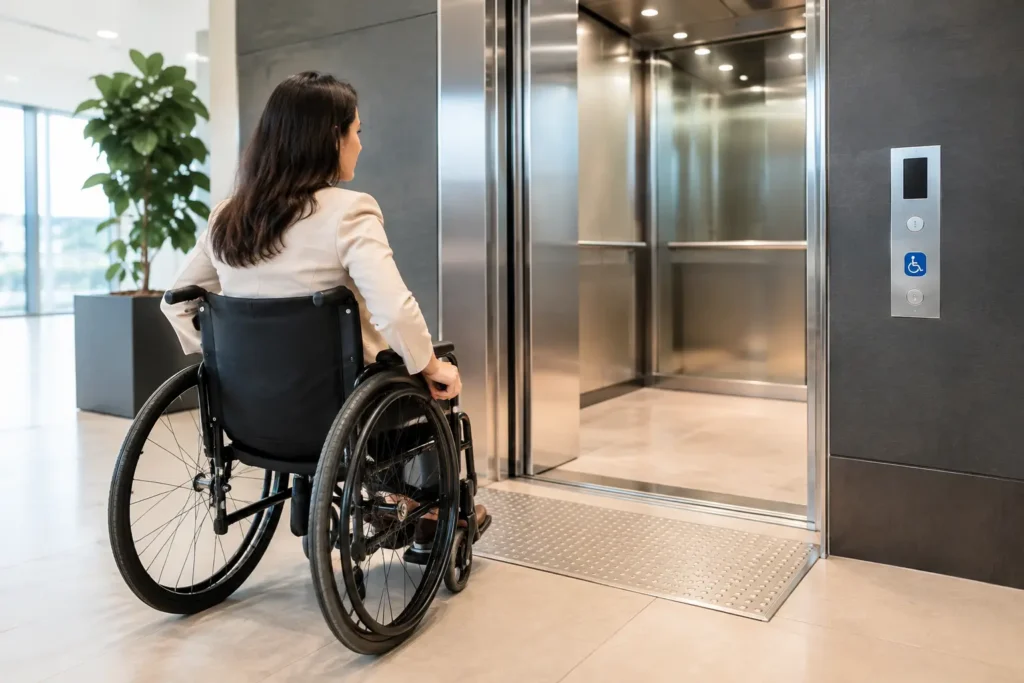
Fixtures and cab interiors affect the passenger experience, but they can also support compliance and usability. New buttons, position indicators, emergency communication equipment, lighting, handrails, flooring, and wall panels can be included as part of a broader renovation or handled as a separate phase.
Code compliance and safety work
Code requirements vary by jurisdiction and by the scope of the project. A modernization can trigger requirements for items such as emergency communications, door reopening devices, car lighting, machine-room safety, fire service operation, or accessibility features. Required testing, inspections, and documentation should be included in the plan rather than treated as an afterthought.
A qualified survey helps distinguish between work that is mandatory for the project and improvements that are recommended to reduce risk or improve operation. That distinction gives property stakeholders a clearer basis for budget approval.
Building conditions and logistics
Labor is affected by conditions that are easy to overlook during early budgeting. Limited staging space, occupied tenant floors, after-hours restrictions, security procedures, asbestos or lead-containing materials, poor machine-room access, and required protection for finished common areas can all affect the final cost.
Downtime planning also matters. A single-elevator building may require a carefully sequenced schedule to reduce disruption for residents, visitors, and deliveries. In a multi-car group, one elevator can often remain in service while another is modernized, but the work still requires coordination with building operations. A proposal should explain the expected outage and how the contractor will communicate milestones, shutdowns, and return-to-service dates.
How to Build a Reliable Budget
Start with a professional condition assessment, not a rough price based only on the elevator’s age. Two elevators installed in the same year can have very different needs depending on maintenance history, usage, water exposure, prior repairs, and availability of replacement parts.
Review service records for repeated shutdowns, door-related callbacks, obsolete components, and repairs that are becoming harder to complete. Then connect those findings to your building plan. A property preparing for a lobby renovation, repositioning for higher-end tenants, or managing an aging portfolio may choose a broader scope than a building focused primarily on restoring dependable service.
A phased approach can work well when the full project is not immediately funded. Controls and safety items may come first, followed by door equipment and cab finishes. Phasing should be deliberate, however. It must avoid paying twice for mobilization or installing components that will need to be removed during the next phase.
Questions to Ask Before Approving a Proposal
Ask whether the scope resolves the equipment’s main failure points and whether the proposed components will remain serviceable over time. Confirm who will coordinate permits, inspections, testing, and communication with the authority having jurisdiction. Request clarity on the anticipated shutdown period, work hours, exclusions, and conditions that could require a change order.
It is also reasonable to ask how the modernization will affect ongoing maintenance. New equipment should improve diagnostic visibility and supportability, but it still requires preventive maintenance performed by trained technicians. The project handoff should include documentation, training for building contacts where appropriate, and a plan for service after the elevator returns to operation.
Turning an Estimate Into a Long-Term Plan
A modernization should give the building more than new finishes or a newer controller. It should reduce avoidable disruptions, support code compliance, improve passenger confidence, and provide a maintainable path forward. For owners with multiple properties, consistent documentation and equipment standards can also make budgeting and service management more predictable across the portfolio.
Ascent Elevators approaches modernization as part of the elevator’s full lifecycle. The process begins with direct assessment of equipment condition and building needs, followed by honest recommendations and a defined project scope. That allows stakeholders to make decisions with a clearer view of cost, timing, and operational impact.
The most useful estimate is one that prepares your building for the years after installation day. When the scope is grounded in field conditions, safety requirements, and a realistic maintenance strategy, modernization becomes a practical investment in dependable vertical transportation.