
A cab that sits idle for most of the day should not consume the same power it needs during a busy morning rush. Yet many older elevator systems continue to run lighting, ventilation, controls, and drive equipment at inefficient levels around the clock. The right elevator energy efficiency upgrades can reduce unnecessary electrical use while improving reliability, ride quality, and the long-term serviceability of the system.
For property owners and facility teams, the opportunity is not simply to install a few lower-wattage components. It is to evaluate how the elevator operates, where energy is being lost, and which modernization measures fit the building’s traffic patterns, equipment condition, budget, and compliance needs.
Start With the Equipment You Have
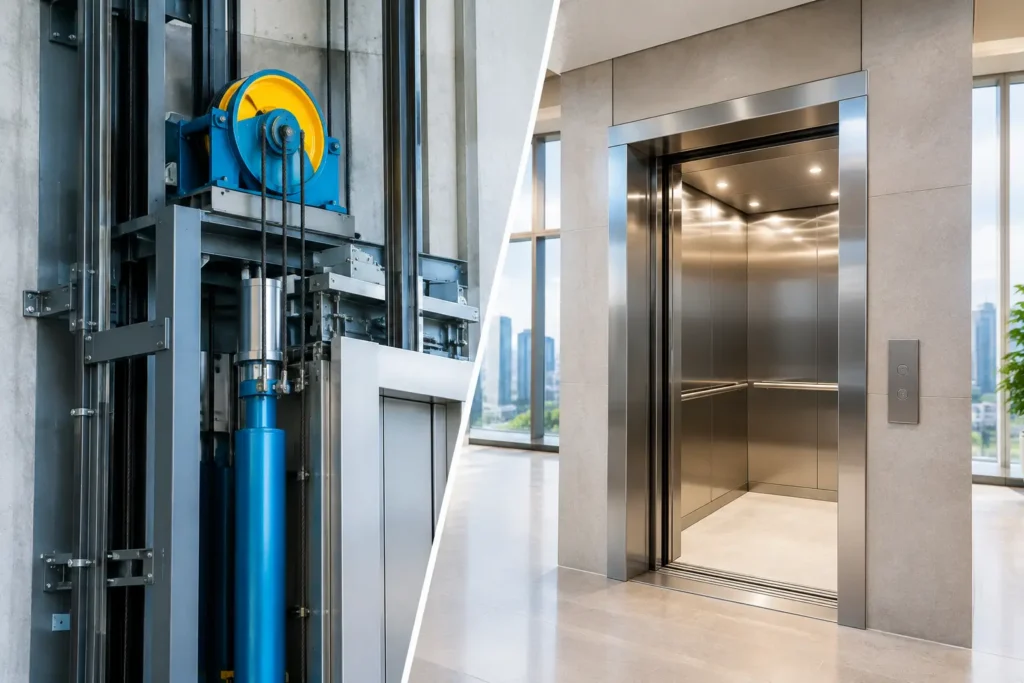
Energy performance depends heavily on the elevator’s age and configuration. A hydraulic elevator, for example, uses a pump and motor to move the car upward, while a traction elevator uses a motor-driven sheave and counterweight system. Their energy profiles are different, so their best upgrade paths are different as well.
Before recommending changes, a qualified elevator provider should review the controller, drive, door equipment, cab fixtures, machine room condition, maintenance history, and actual usage. A low-rise residential building with limited traffic may benefit most from cab lighting and standby-mode improvements. A busy office, hospital, or multifamily building may see a stronger operational benefit from a controller and drive modernization.
This assessment also prevents a common mistake: replacing a component that is technically old but still performs well while overlooking a failing system that is creating service interruptions and avoidable power demand. Honest diagnostics matter. The most effective capital plan addresses both energy use and the factors that affect uptime.
High-Value Elevator Energy Efficiency Upgrades
Some upgrades are relatively straightforward and can be completed as part of a cab renovation or targeted repair. Others are part of a larger modernization project. The right sequence depends on the equipment’s remaining useful life.
LED cab lighting and efficient fan controls
Older cab lighting can create constant, unnecessary electrical demand. Replacing incandescent, halogen, or fluorescent fixtures with LED lighting lowers energy use, reduces heat in the cab, and typically extends replacement intervals. LEDs also give owners more options to improve cab appearance without adding a major load.
Cab ventilation is another practical area to evaluate. Fan controls that reduce operation when the elevator is not in use can cut waste without compromising passenger comfort. Settings should be verified after installation, especially in buildings where cabs experience high occupancy or warmer operating conditions.
Standby operation for idle periods
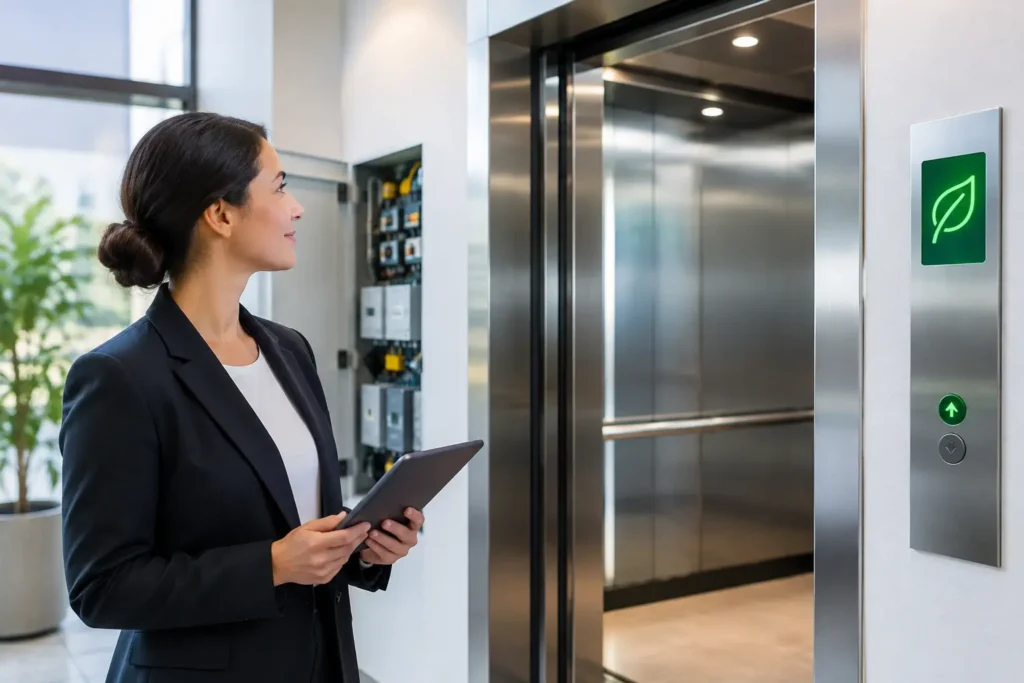
Modern controllers can place selected systems into a reduced-power mode when the elevator has not received calls for a defined period. Depending on the equipment and local requirements, this may dim or turn off cab lights, reduce fan operation, and place display components into standby.
Standby features need to be configured carefully. The elevator must remain ready to respond safely and reliably when a call is placed. Building teams should also understand the settings, so a dimmed cab is recognized as an intentional energy-saving function rather than reported as a fault.
Variable-voltage, variable-frequency drives
For many traction elevators, an updated variable-voltage, variable-frequency drive can improve motor control and reduce energy use compared with older drive technology. It can also support smoother acceleration, deceleration, and leveling, which improves the passenger experience and may reduce stress on mechanical components.
This is not a one-size-fits-all replacement. The existing motor, controller compatibility, building traffic, and condition of related components all affect the value of a drive upgrade. In some cases, replacing the drive alone is not the most sensible long-term move if the controller has obsolete parts or limited diagnostic capability.
Regenerative drives where the duty cycle supports them
A regenerative drive captures energy created during certain travel conditions and returns it to the building’s electrical system rather than dissipating it as heat. It can be a meaningful option for high-traffic traction elevators, particularly in taller buildings where car loading and travel patterns create frequent opportunities for regeneration.
The trade-off is cost and application fit. Regeneration does not produce the same result in every building, and its savings depend on use patterns, electrical infrastructure, and the specific elevator design. A clear proposal should explain the expected operational benefit rather than treating regeneration as an automatic upgrade for every property.
Hydraulic power unit improvements
Hydraulic elevators often offer a different set of opportunities. Modern submersible motors, improved valves, and advanced control systems can reduce heat generation and improve operational efficiency. For some hydraulic applications, a soft-start or variable-frequency solution can reduce the high electrical demand associated with starting the motor.
Hydraulic system upgrades should also include a close review for leaks, oil condition, and cylinder-related concerns. Energy savings are valuable, but safe and reliable operation remains the first priority. An aging hydraulic elevator with significant underlying issues may require a broader modernization strategy rather than a limited efficiency retrofit.
Efficiency and Reliability Should Be Planned Together
Energy savings are most useful when they do not introduce new maintenance burdens. That is why equipment selection matters. Controllers, drives, and fixtures should be supported by readily available parts, clear documentation, and technicians trained to diagnose them.
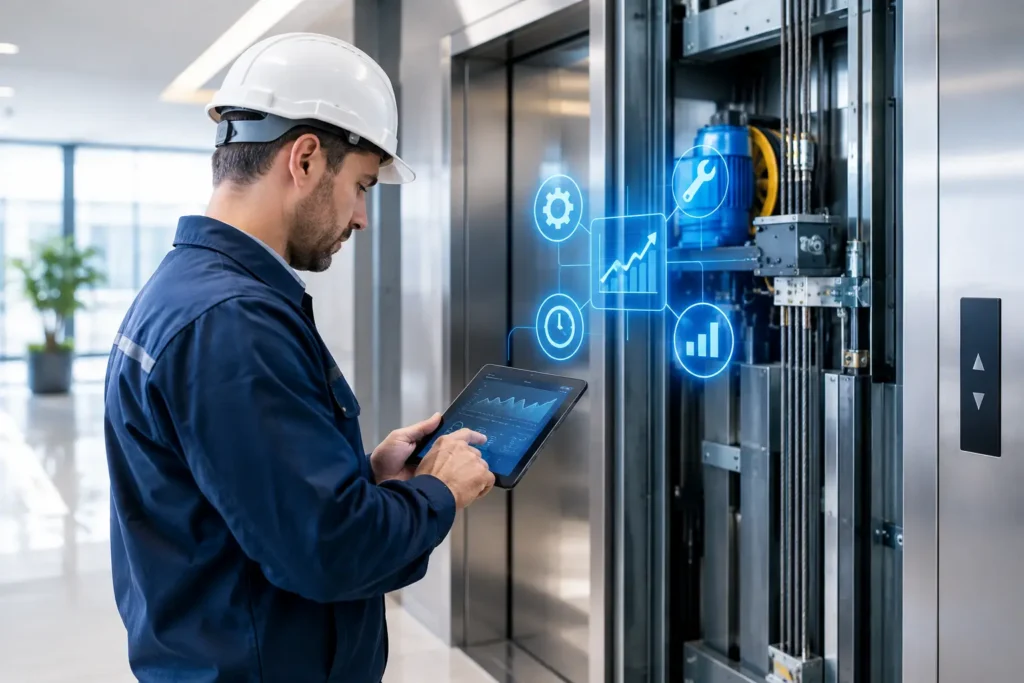
A modern controller can provide better fault information, which helps reduce time spent identifying intermittent issues. That visibility supports faster service decisions and more predictable maintenance planning. For building stakeholders, the benefit is larger than lower utility consumption: it is a system that is easier to manage over its remaining lifecycle.
The same principle applies to cab renovations. New LED fixtures, displays, and ventilation equipment should be integrated correctly with the elevator’s control system. Poorly designed additions can create electrical noise, heat issues, or nuisance service calls that erase the value of the upgrade.
Build a Business Case Beyond Utility Savings
A strong modernization decision should not rely only on a projected energy number. Facility managers and owners should consider several factors together: current repair spending, parts availability, unplanned downtime, tenant expectations, code requirements, and the expected timeline for future renovation or replacement.
For example, a property preparing for a lobby renovation may combine cab interior work, LED lighting, fixtures, and controller improvements into one coordinated project. This can reduce disruption compared with separate projects and produce a more consistent result. Conversely, if a building is planning a major redevelopment in the near future, a focused repair and efficiency package may be more appropriate than a full modernization today.
It also helps to establish a baseline before work begins. Review utility information where available, record service-call frequency, and document operating concerns such as rough rides, leveling issues, excessive machine room heat, or frequent lamp replacements. After the project, these benchmarks make it easier to evaluate whether the upgrade is delivering the anticipated value.
Do Not Overlook Safety and Code Requirements
Energy-focused work must never bypass elevator safety requirements. Any changes to controls, drives, fixtures, or operating modes should be reviewed for applicable code requirements and coordinated with required testing and inspection processes.
Older systems can present special challenges when new components are introduced. A modernization may trigger the need to address other code items, depending on the scope and local jurisdiction. Transparent planning helps owners avoid surprises by identifying likely compliance work before construction begins, not after equipment is ordered.
Experienced union technicians and project teams can help coordinate the technical details, from equipment selection through installation, testing, and turnover. The goal is a safer, more efficient elevator that remains practical to service for years ahead.
A Phased Plan Often Delivers the Best Result
Not every property needs a complete modernization immediately. A phased approach can be a responsible way to improve performance while protecting capital budgets. A first phase might address lighting, fan controls, and high-priority repairs. A later phase can replace aging controls or drives once the building’s budget and operational schedule allow.
The key is to make each phase part of a larger plan. Installing low-cost improvements is worthwhile, but owners should know whether those components will remain compatible with a future controller modernization. Clear communication now helps prevent duplicated work later.
Ascent Elevators approaches efficiency projects as building-performance decisions, not product sales. A practical recommendation begins with the condition of your equipment, the demands of your property, and the level of support your team needs after the work is complete.
A conversation with a qualified elevator professional can turn scattered repair concerns into a clear upgrade path, helping your building reduce waste, protect uptime, and make the next capital decision with confidence.