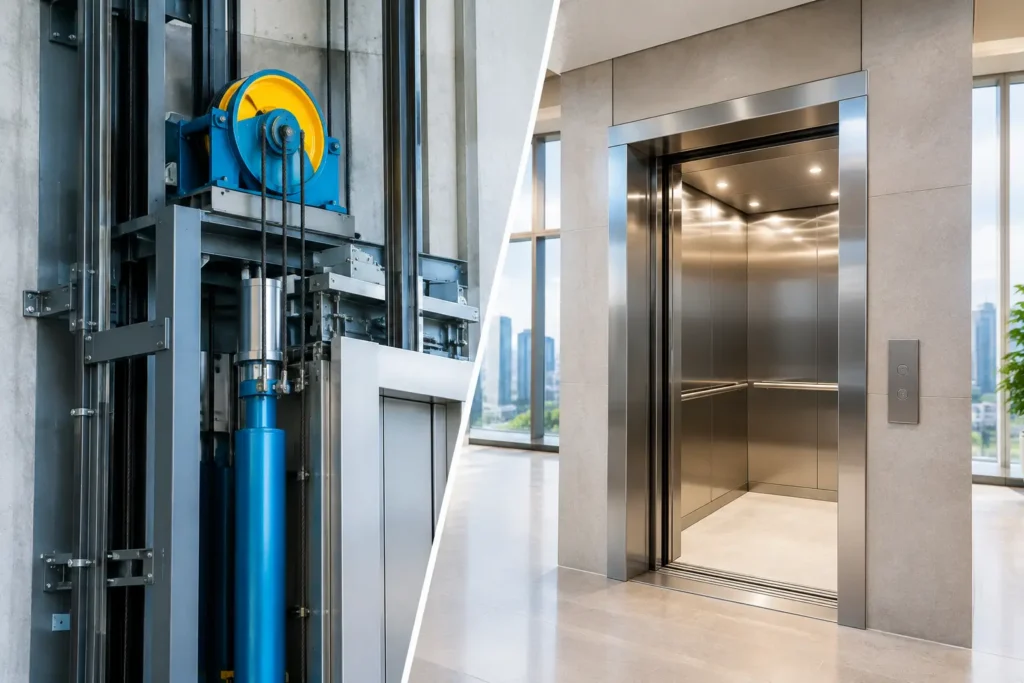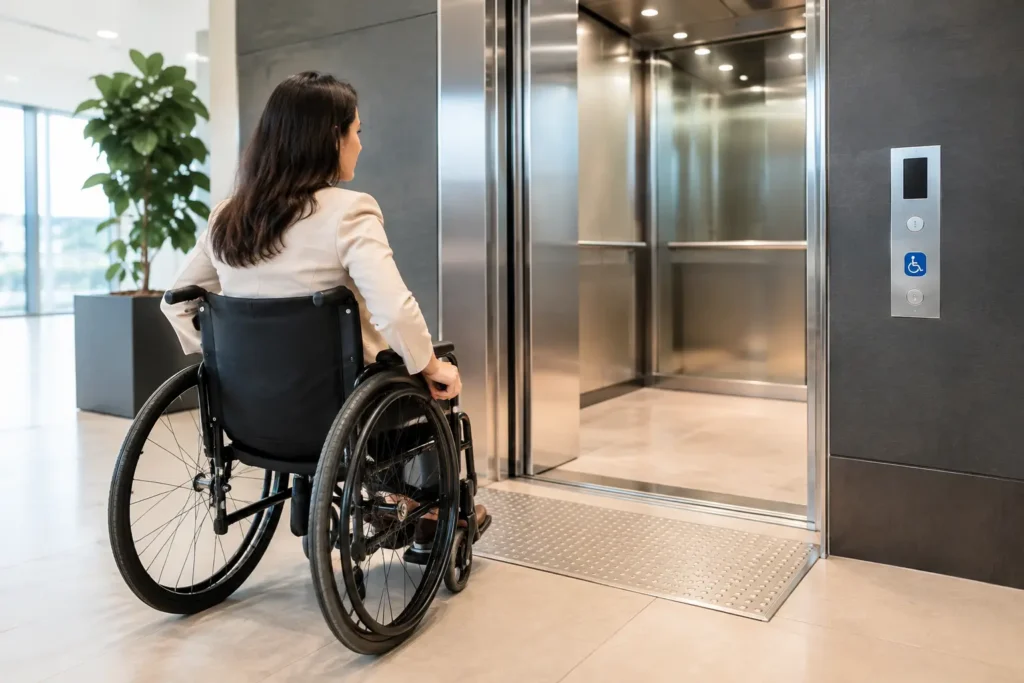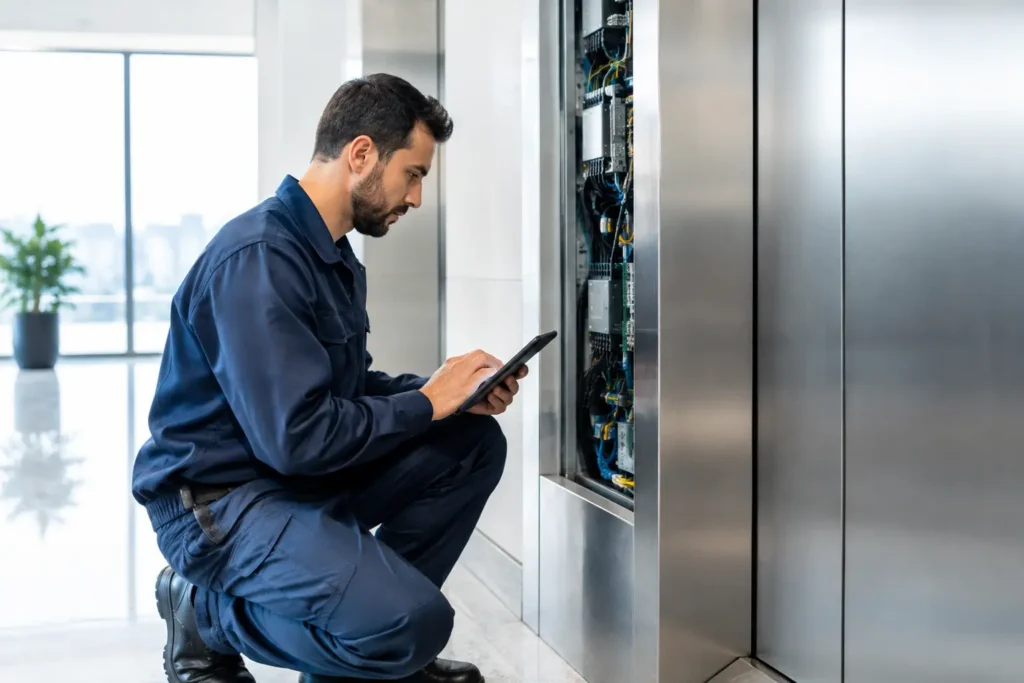

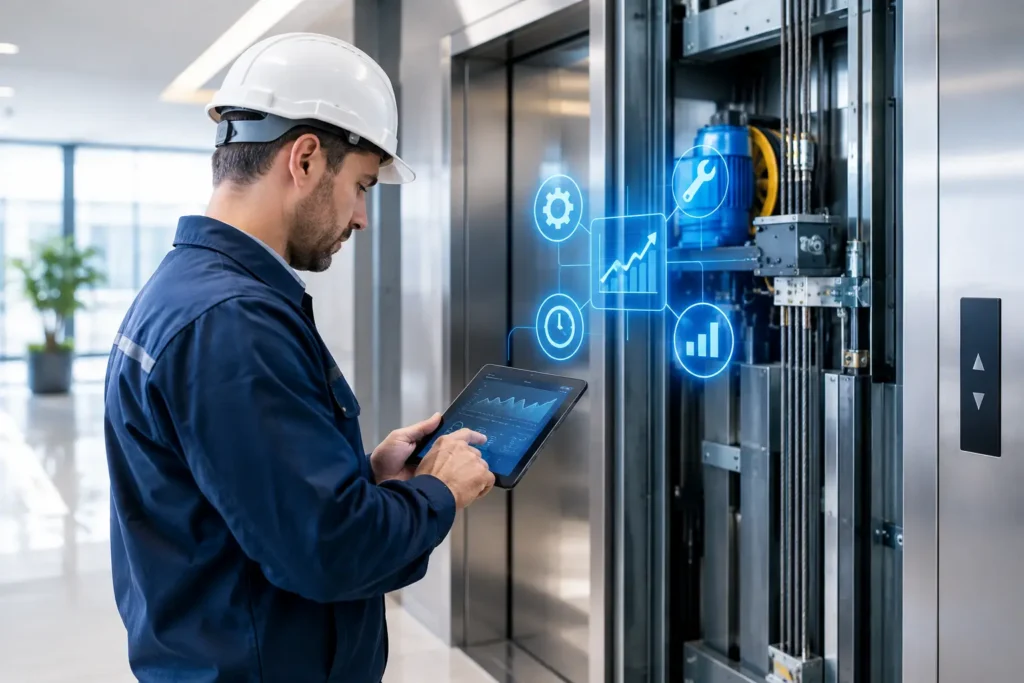
An elevator rarely fails without leaving clues. A door that starts closing inconsistently, a controller that logs recurring faults, or a machine room component that runs hotter than normal can all signal a developing issue. Predictive elevator maintenance uses those signals to help building teams address problems before they become a shutdown, tenant complaint, safety concern, or after-hours emergency call.
For property owners and facility managers, the goal is not to replace routine service with technology. It is to make maintenance decisions with better information. When technicians can see patterns in equipment performance and pair that data with hands-on inspections, buildings can plan repairs more effectively, reduce avoidable downtime, and make smarter use of maintenance budgets.
What Predictive Elevator Maintenance Means in Practice
Predictive elevator maintenance is a service approach that uses equipment data, diagnostic history, inspections, and technician expertise to identify components that may be trending toward failure. Instead of waiting for a fault to take an elevator out of service, the maintenance team evaluates warning signs and recommends action based on the condition of the equipment.
This differs from purely reactive service, where repairs happen after a breakdown. It also builds on preventative maintenance, which follows a scheduled program of cleaning, adjustment, lubrication, inspection, and testing. Preventative maintenance remains essential. Predictive practices add another layer by helping technicians determine where attention is most urgently needed between scheduled visits.
The approach can be especially valuable in buildings with high elevator usage, aging equipment, frequent service calls, or systems that must remain available for accessibility, resident mobility, patient transport, or tenant operations. A single elevator shutdown may be inconvenient in one property and a major operational disruption in another. The maintenance strategy should reflect that difference.
The Signals That Help Technicians Act Earlier
Modern elevator controllers can provide useful fault information, but data alone does not diagnose every problem. A skilled technician still needs to inspect the equipment, understand the building’s traffic patterns, and determine whether a recurring condition is a minor adjustment or a sign of a larger issue.
Common indicators include repeated door faults, irregular leveling, intermittent drive errors, unusual vibration or noise, worn contactors, temperature changes, brake performance concerns, and increasing callback frequency. An isolated fault may not require immediate repair. The concern is the trend: a condition that repeats, grows more frequent, or begins affecting passengers and building operations.
For example, recurring door reopening calls may point to worn rollers, a misaligned door panel, a failing detector edge, or a landing door issue. Replacing a targeted component during planned service is typically easier to schedule than responding after the elevator begins trapping passengers or remains out of service during a busy period.
The same principle applies to controller and drive components. A technician may identify a declining relay, overheating component, or inconsistent power-related fault before it becomes a full shutdown. Early intervention does not eliminate every unexpected failure, but it gives the building a better chance to control timing, cost, and tenant communication.
Data Needs Context
Not every elevator is equally suited to the same monitoring tools. Newer systems may offer more detailed controller diagnostics and remote monitoring capabilities. Older equipment may require a more inspection-focused approach, supported by service records and targeted upgrades. The best solution depends on the elevator’s age, manufacturer, usage, condition, and available modernization options.
A transparent service partner should explain what the available information means and what it does not mean. An alert is not automatically a reason to replace major equipment. It is a reason to investigate, document findings, and present repair options with clear priorities.
Why Uptime Is Only Part of the Value
Improved uptime is the most visible benefit of predictive maintenance, but the value extends beyond fewer shutdowns. Planned repairs allow building teams to coordinate access, notify occupants, order parts in advance, and complete work during lower-traffic periods when possible. That control can reduce the operational impact of necessary repairs.
Predictive maintenance also supports more accurate capital planning. Elevator systems contain components with different service lives. A building may not need a full modernization, but it may benefit from replacing selected door equipment, upgrading obsolete controller components, or addressing reliability issues before they spread into larger repairs.
For commercial properties, this can protect tenant experience and help facility teams avoid repeated disruptions that create frustration at the lobby level. For residential buildings, it can reduce resident complaints and support accessibility for people who depend on elevators every day. In either setting, documented service findings give decision-makers a clearer basis for approving repairs and planning future investments.
There is also a safety and compliance benefit. Regular maintenance and required testing remain central to safe operation. Identifying deteriorating components early can help keep equipment in proper operating condition and prevent small issues from becoming conditions that affect leveling, door operation, ride quality, or reliability.
Building a Predictive Maintenance Program That Works
A useful program starts with a complete picture of the equipment. That includes the elevator’s age, controller type, recent repair history, callback patterns, usage demands, prior modernization work, and any recurring concerns reported by passengers or staff. Buildings with multiple elevators should also evaluate how each unit supports the property’s overall transportation needs.
From there, the maintenance provider can establish a baseline. What components show signs of wear? Which faults recur? Are there obsolete parts that could lengthen a future shutdown? Are doors generating most service calls? Does the current maintenance plan match the building’s traffic and operational needs?
The most effective programs keep recommendations prioritized. Life-safety concerns and conditions likely to cause an imminent shutdown should be addressed first. Reliability improvements can follow based on risk, budget, and the building’s schedule. Longer-term modernization planning should be presented separately, with a clear explanation of what existing equipment can reasonably support.
Communication matters as much as diagnostics. Facility managers need reports that explain the issue in practical terms: what was found, what may happen if it is not corrected, what work is recommended, and whether the repair is urgent or can be planned. Vague service notes do not help a property team make decisions. Clear documentation does.
Where Predictive Maintenance Has Limits
Predictive maintenance is not a guarantee that an elevator will never fail. Some components can fail suddenly, external power events can affect equipment, and intermittent issues may not appear during a scheduled visit. Parts availability can also influence repair timing, particularly for older or discontinued systems.
It should not be used to delay repairs that are already necessary. If a technician identifies a safety-related issue or a component at immediate risk of failure, the proper response is timely corrective action, not more monitoring. Likewise, data should never replace required inspections, testing, or the judgment of qualified elevator professionals.
The strongest maintenance strategy combines scheduled preventative care, responsive emergency service, detailed diagnostics, and long-term planning. Each element has a different job. Together, they help building owners move from repeated surprises to more informed control of elevator performance.
Questions to Ask Your Elevator Service Partner
When evaluating predictive maintenance support, ask how the provider identifies recurring faults, documents equipment condition, and prioritizes recommendations. Find out whether technicians can explain the difference between an urgent repair, a reliability improvement, and a modernization opportunity. It is also reasonable to ask how service history is tracked and how the provider communicates when a developing issue is identified.
The right partner will not treat every alert as a sales opportunity. They will provide honest recommendations based on the equipment in front of them, the building’s operational needs, and the owner’s budget. They should also have the technical depth to handle the work that follows, from targeted repairs and code-related testing to controller upgrades and larger modernization projects.
A well-maintained elevator should not demand attention only when it stops working. By reviewing its performance before a small issue becomes a disruption, building teams can protect uptime, improve planning, and give occupants more confidence in every trip. Ascent Elevators helps property stakeholders turn that insight into practical maintenance decisions backed by skilled service and clear communication.