
A door that takes an extra second to close can feel minor until it disrupts morning traffic, traps a car out of service, or creates an accessibility concern for a tenant. Elevator door repair symptoms are often the earliest visible signs of a larger issue in the system. For property teams, recognizing them early is one of the most practical ways to protect uptime, passenger safety, and repair budgets.
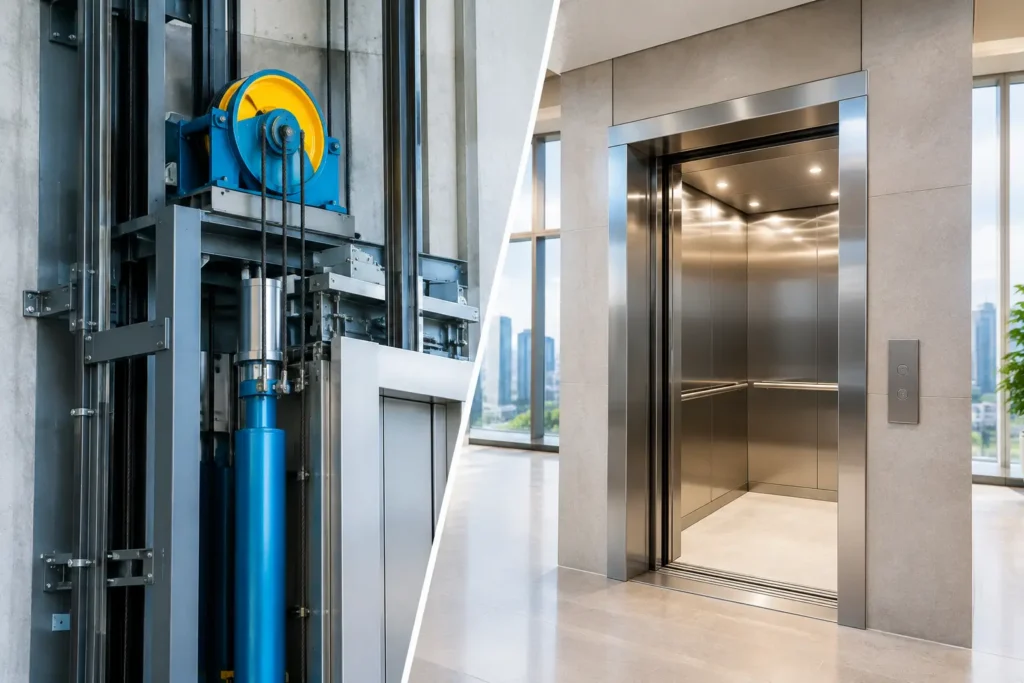
Elevator doors are not just entry points. They are a safety-critical operating system made up of panels, tracks, rollers, hangers, sensors, couplings, locks, and controls. A problem in any one of these components can prevent an elevator from running correctly. The right response is not guesswork or a quick adjustment by building staff. It is a documented evaluation by qualified elevator technicians who can identify the cause, explain the repair options, and return the equipment to service safely.
When Door Operation Is No Longer Normal
A properly operating elevator door should open and close smoothly, at a consistent speed, without scraping, striking, reversing unexpectedly, or requiring passengers to intervene. Small changes in that performance deserve attention, particularly in high-use commercial buildings, multifamily properties, healthcare facilities, and older buildings with aging equipment.
Door issues can be intermittent. A car may operate normally for most of the day, then fault during peak traffic or when temperature, humidity, or passenger volume changes. That does not make the condition less serious. Intermittent faults can be harder to diagnose, and waiting for a full shutdown usually limits scheduling options and increases the impact on occupants.
Slow, hesitant, or uneven movement
Doors that move slowly, pause, shudder, or travel unevenly may have worn rollers, damaged tracks, failing door operators, or a control issue. Dirt and debris can also interfere with normal travel, especially in buildings exposed to dust, moisture, or heavy foot traffic.
The trade-off is that not every slow door requires a major component replacement. In some cases, adjustment, cleaning, lubrication, or replacement of a worn part resolves the problem. A technician should verify the condition rather than treating the symptom alone, because repeated adjustments can mask a more advanced mechanical issue.
Scraping, grinding, banging, or repeated clicking
Unusual noise is one of the clearest elevator door repair symptoms because it gives advance notice before a part fails completely. Scraping may point to misalignment or worn guides. Grinding can indicate roller, track, or operator wear. A bang at the end of travel may suggest incorrect adjustment, while repeated clicking can be associated with an interlock, relay, or control sequence problem.
Do not assume a noisy door is merely cosmetic. Repeated metal-on-metal contact accelerates wear and can affect how reliably the door closes and locks. Prompt service helps prevent a manageable repair from becoming a car outage or a more extensive modernization need.
Doors that reopen, reverse, or fail to close
Elevator doors are designed to reopen when an obstruction is detected. However, doors that repeatedly reopen with no passenger or object in the opening may have an issue with the door protection system, alignment, sensors, or closing force.
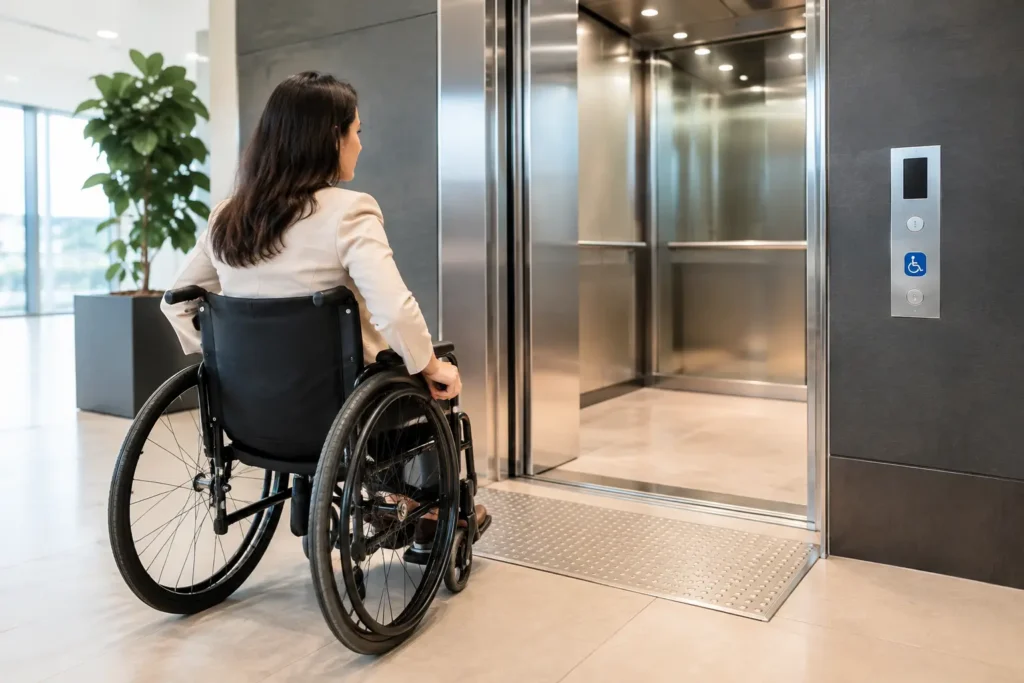
A door that will not close can take an elevator out of service because the system cannot safely move the car until it confirms that the doors are fully closed and locked. This is particularly disruptive in buildings with only one elevator or properties that depend on an accessible route. If doors cycle repeatedly, remain open, or require multiple attempts to close, arrange service promptly and keep occupants from forcing the panels.
Warning Signs at the Landing and Car Door
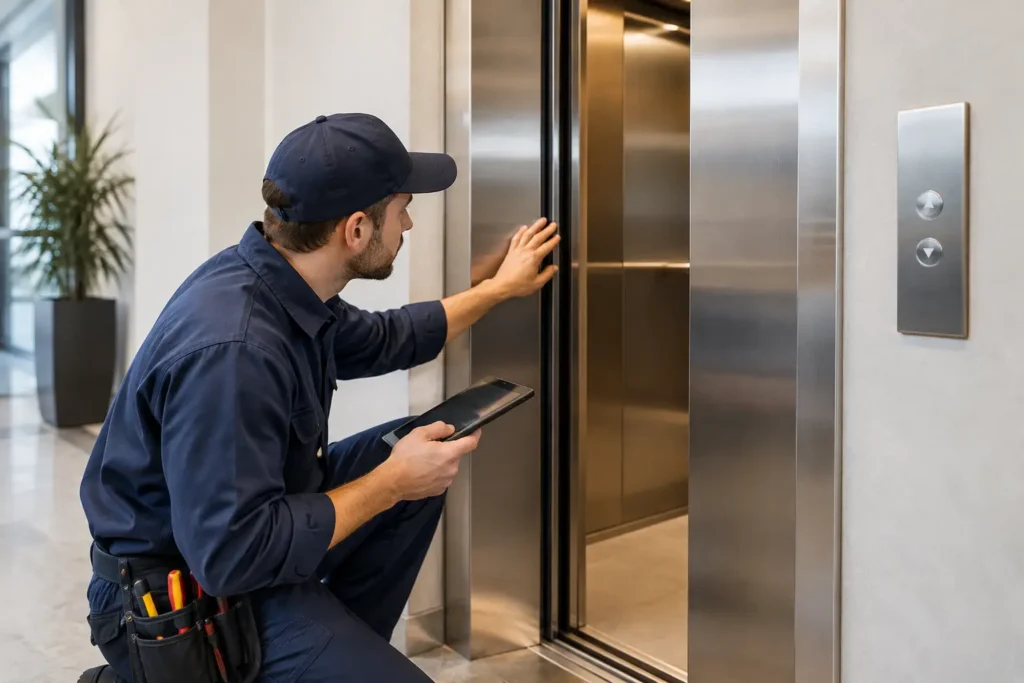
Some conditions are visible before anyone rides the elevator. Building engineers, security personnel, and cleaning teams are often the first to notice changes at a landing. Encourage staff to report the location, time, direction of travel, and any sounds or display messages. Those details help technicians diagnose an intermittent problem faster.
A gap, misaligned panel, or damaged sill
Door panels should meet cleanly and sit correctly within the entrance. A noticeable gap, panel that sits unevenly, bent door edge, loose guide, or damaged sill requires professional inspection. These conditions can result from normal wear, impact damage, settling, misuse, or a previous mechanical failure.
Landing sills also collect debris. While housekeeping can report visible debris, elevator equipment should not be dismantled or adjusted by untrained personnel. The space around the doors contains moving equipment and safety devices that require specialized procedures.
Doors that stick or require force
Passengers should never need to push, pull, or hold elevator doors to make them operate. Forced door movement can damage rollers, guides, clutches, and other components while creating a risk for the person attempting it.
If doors stick at one floor more than others, that location matters. The issue may be isolated to a specific landing entrance rather than the car door itself. A qualified technician can inspect the full door system and confirm whether the repair is local or part of a wider wear pattern across the building.
Door open or close buttons that do not respond consistently
An unresponsive car operating panel can resemble a door problem, but the underlying cause may be a control, wiring, button, or door operator issue. The same is true when a door opens normally but does not respond to the close command. Clear diagnostics are essential because replacing the wrong component wastes time and budget.
For facilities teams, the practical priority is the operating condition: Is the elevator reliably available, and can passengers enter and exit without delay or uncertainty? Service records should distinguish a one-time event from a recurring fault that needs a more durable repair plan.
Safety and Compliance Concerns That Require Fast Action
Certain symptoms call for urgent attention rather than monitoring. Remove the elevator from service when doors do not close and lock correctly, when a door opens away from the landing, when a passenger is trapped, or when a car stops with its doors misaligned to the floor. Follow your building’s emergency procedures and contact an elevator service provider.
Other red flags include a door striking passengers, a malfunctioning protective edge or light curtain, visible damage after an impact, or recurring door faults that cause the car to shut down. These conditions affect more than convenience. They can create liability exposure, accessibility challenges, and safety risks for tenants, visitors, patients, or residents.
Building staff should avoid resetting equipment repeatedly to get through the day. A reset may temporarily restore operation, but it does not explain why the fault occurred. Repeated cycling can also make an intermittent condition more difficult to trace. Document what happened and request a service assessment with a clear description of the event.
Why Door Problems Often Return Without a Full Diagnosis
Elevator doors are subject to constant use, and components wear at different rates. Replacing one failed roller may restore operation, but a technician may also find worn hangers, damaged tracks, an aging operator, or settings that need correction. The appropriate scope depends on equipment age, usage, maintenance history, code requirements, and the condition of related parts.
This is where transparent recommendations matter. Not every problem justifies a full door operator replacement or modernization. At the same time, repeated spot repairs may become less cost-effective when parts are obsolete, downtime is increasing, or several entrances show the same failures. A responsible service partner should explain the immediate repair, the expected service life of the existing system, and the options for planned upgrades.
For a property with multiple elevators, door performance data can also guide capital planning. If one unit experiences recurring door faults while comparable units do not, the issue may be isolated. If failures are appearing across the group, a phased repair or modernization strategy may reduce future disruptions.
Preventing Elevator Door Failures Before They Affect Uptime
Preventive maintenance does not eliminate every door issue, but it gives technicians the opportunity to identify wear before it causes a shutdown. Scheduled visits should include inspection and adjustment of door operation, rollers, tracks, door protection devices, couplings, and locks as appropriate for the equipment.
The most valuable maintenance program is not simply a checklist. It is a consistent record of what is wearing, what has been repaired, which faults are recurring, and what should be budgeted next. That visibility supports better decisions for facility managers and ownership teams, especially when balancing operational needs against capital expenses.
Ascent Elevators approaches door concerns with the same focus applied to the rest of a building’s vertical transportation system: fast response, clear diagnostics, and long-term support. The goal is to restore reliable operation while helping decision-makers understand what comes next.
When a door begins acting differently, treat the change as useful information rather than an inconvenience to work around. Early reporting, qualified service, and honest repair planning can keep a small operating symptom from becoming the reason an elevator is unavailable when your building needs it most.