
A trapped passenger does not need a dial tone. They need a clear connection to a person who can identify the elevator, confirm help is on the way, and coordinate a response. That is the practical purpose behind elevator phone code requirements. For property owners and facility teams, the requirement is not simply to install a phone in the cab. It is to maintain a reliable emergency communication system that works when it is needed most.
Elevator Phone Code Requirements: What They Cover
Most U.S. jurisdictions base elevator emergency communication rules on the ASME A17.1 Safety Code for Elevators and Escalators, often adopted alongside local building, fire, and elevator regulations. The edition enforced in your jurisdiction matters. A city or state may be using an older code edition, a newer edition, or local amendments that add requirements beyond the model code.
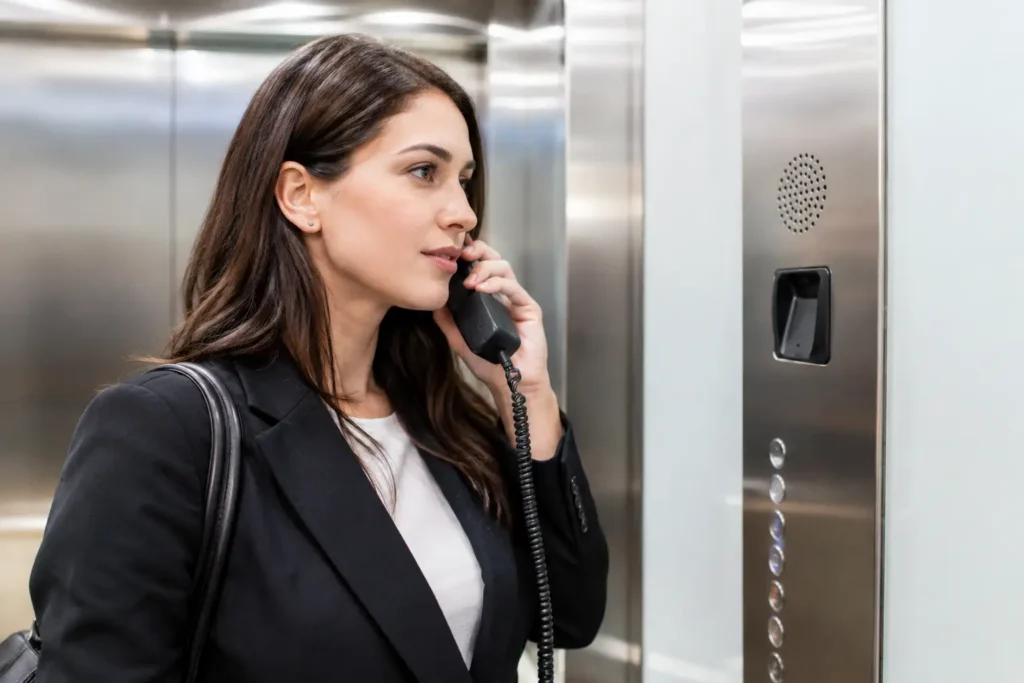
The basic expectation is consistent: each elevator car must provide two-way emergency communication that can be initiated from inside the cab. Pressing the emergency phone button should connect the passenger with an authorized monitoring location or emergency contact that can communicate with them and summon assistance.
A compliant system generally needs more than a working handset or speaker. It must allow the receiving party to identify the building and elevator location. It must remain available during a normal power outage through the elevator’s required standby or battery-backed systems, where applicable. The equipment must also be accessible to passengers, including people with disabilities, and clearly marked for its intended emergency use.
Code language can be technical, but the operational question is straightforward: if a passenger presses the button at 2 a.m. during a power event, can someone answer, identify the car, and dispatch help without relying on the passenger to explain where they are?
The Emergency Phone Is Part of a Larger Safety System
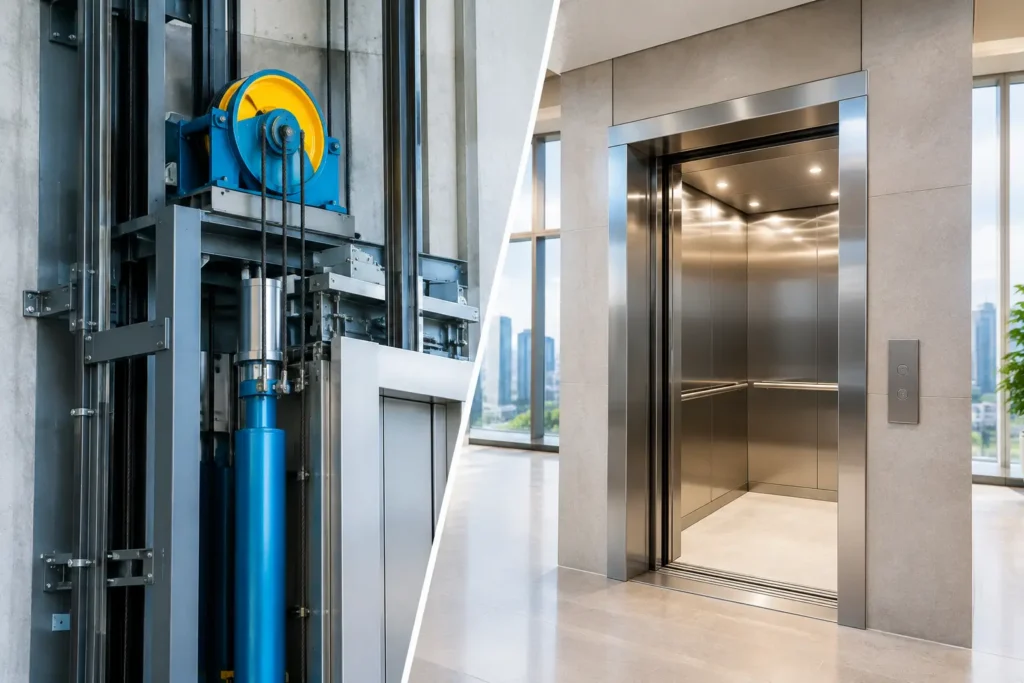
An elevator phone is often treated as a small component until it fails an inspection or a passenger needs it. In reality, it connects several building systems: the elevator controller, cab operating panel, telephone or cellular equipment, monitoring service, power supply, and emergency response process.
The elevator controller initiates the call when the emergency button is pressed. The cab equipment provides audible and, in many installations, visual feedback that the call has been placed or answered. The communication path may use a traditional telephone line, an approved cellular gateway, or another supervised communications method accepted by the authority having jurisdiction.
The monitoring provider or designated answering point must have reliable instructions. At minimum, that includes the property address, elevator identification, machine room or controller location when useful, and a current contact list. A call answered by someone who has to search for the property address wastes valuable time and does not support the intent of the code.
There is also a distinction between calling 911 directly and using a dedicated elevator monitoring service. A direct emergency call may sound simple, but local rules, building operations, and response protocols can make it a poor fit. A dedicated monitoring center can identify the elevator, stay in communication with the passenger, contact building staff, and dispatch an elevator mechanic when needed. The right arrangement depends on local requirements and the building’s emergency plan.
Why Older Phone Lines Create Compliance Risk
For decades, elevator phones relied on analog POTS lines. Many carriers are retiring or changing support for those services, and buildings are moving to cellular, VoIP, or managed communications platforms. That transition can improve cost control and remote visibility, but it also introduces risks if the replacement is selected only for price.
Not every VoIP service performs reliably with elevator emergency equipment. Power loss, network outages, modem compatibility issues, and call-routing changes can prevent a call from completing. Cellular units avoid some wiring limitations, yet they depend on signal strength, antenna placement, backup power, equipment supervision, and carrier network availability.
A modernized elevator phone solution should be evaluated as a life-safety communication path, not as an ordinary office line. The system should support dependable call completion, accurate location identification, required signaling in the cab, and a response process that building staff understand. Local elevator inspectors may also have specific expectations for how cellular or digital systems are installed and tested.
Questions to Ask Before Replacing a Phone Line
Before disconnecting an existing elevator line, confirm which code edition applies, what the local authority accepts, and whether the new equipment is compatible with your elevator controller. Verify how the system identifies each elevator and whether it maintains service during a loss of normal building power.
You should also ask who receives test calls, who updates emergency contacts, and who is alerted if the communication device loses service. A low monthly rate is not a saving if the building learns about a failed unit only during an annual inspection or an entrapment.
Testing Is a Building Responsibility, Not Just an Inspection Task
Periodic elevator inspections are essential, but they should not be the first time anyone tests emergency communication. Routine testing helps catch disconnected lines, failed batteries, incorrect call routing, weak cellular signal, damaged cab hardware, and outdated contact information before they become a safety event.
A practical testing process starts with a documented call from each elevator car. Confirm that the receiving party answers, identifies the correct property and elevator, and can hear and speak with the person in the cab. Check the cab’s visual and audible indications as well. If the building uses a monitoring service, verify that its records reflect current ownership, property management contacts, and access instructions.
The frequency and documentation needed can vary by jurisdiction, contract requirements, and equipment type. Your elevator maintenance provider can help establish an appropriate schedule, but the property team should retain clear records of test dates, failures, corrections, and contact updates. Documentation demonstrates that the building has an active process rather than a phone that was assumed to work.
Common Problems That Lead to Failed Tests
Many elevator phone failures are preventable. They are often caused by changes elsewhere in the building, such as a telecommunications provider canceling a line, an IT team changing network equipment, a renovation damaging wiring, or a new manager failing to update monitoring records.
Four issues deserve particular attention:
- The emergency button calls a disconnected number, a busy line, or an unattended desk.
- The receiver cannot identify the exact building or elevator car from the incoming call.
- The phone works under normal power but fails during a power interruption.
- A cellular communicator has poor signal, an expired service plan, or a weak backup battery.
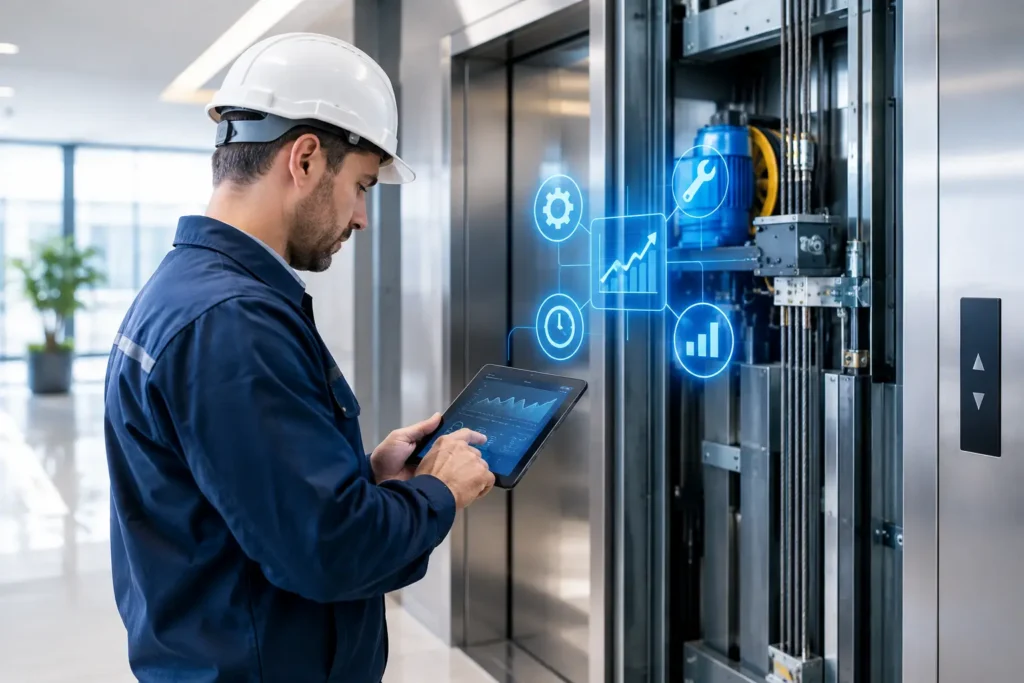
None of these conditions should wait for a passenger report. Preventive maintenance visits are a useful opportunity to verify the physical equipment, but communications testing also requires coordination with the people and vendors responsible for the receiving end of the call.
Accessibility and Passenger Experience Matter
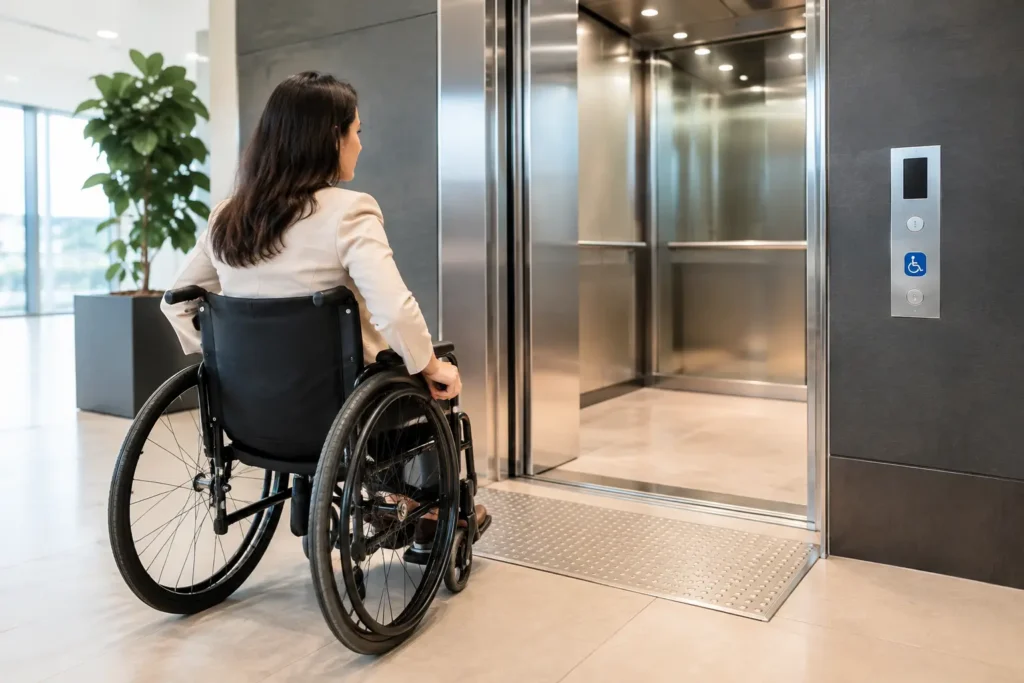
Emergency communication requirements support more than basic code compliance. A passenger who is deaf, hard of hearing, has a speech disability, or is unfamiliar with the building may need clear visual indicators and a communication method that does not depend solely on verbal instructions. Applicable accessibility requirements and the adopted elevator code should be reviewed together when replacing cab fixtures or modernizing an operating panel.
Older elevators may have emergency phone installations that technically still function but provide a poor passenger experience. Cracked speaker grilles, missing instructions, unreadable labels, and delayed connections create uncertainty during an already stressful event. A modernization project is often the right time to improve the emergency communication interface, particularly when cab aesthetics, controls, and accessibility upgrades are already planned.
Plan Phone Compliance Into Capital Work
Emergency phone upgrades are easiest to manage when they are part of a broader equipment plan. If an elevator controller, cab operating panel, or machine room power system is being upgraded, evaluate the communication path at the same time. Coordinating the work can reduce repeat mobilizations, avoid incompatible equipment, and give the building a clearer record of what was installed and tested.
For aging portfolios, start with an inventory. Identify every elevator, its current communication method, the responsible monitoring contact, the last successful test, and any known telecom changes. This creates a practical priority list: address failed or unsupported systems first, then plan proactive upgrades before a carrier change or inspection exposes the issue.
Ascent Elevators helps property teams evaluate emergency communication systems in the context of the full elevator operation, from cab equipment and controller compatibility to testing records and long-term support. The goal is not to replace equipment without cause. It is to provide a dependable path for passengers to get help and for building teams to remain prepared.
A working emergency phone is one of the clearest signs that a building has planned for the moment nobody wants to face. Confirm what your local code requires, test every car, and correct communication gaps before they become an emergency.