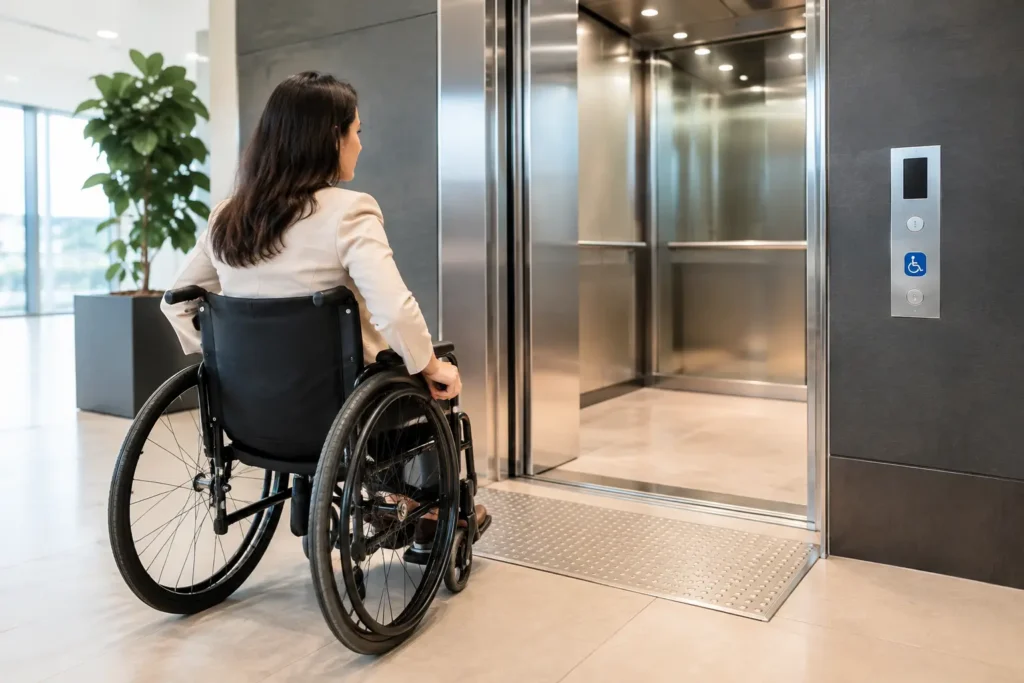

A two-story medical office may need a dependable, accessible elevator with limited construction disruption. A new 12-story residential building has a different challenge: moving people quickly during busy morning and evening periods. That is why the hydraulic versus traction elevators decision should begin with the building’s use, travel distance, traffic demand, available space, and long-term service plan – not with the lowest initial proposal.
Both elevator types can deliver safe, reliable service when they are properly designed, installed, maintained, and modernized at the right time. The better fit depends on what the building needs the equipment to do every day and what ownership needs it to do over its full lifecycle.
How Hydraulic and Traction Elevators Work
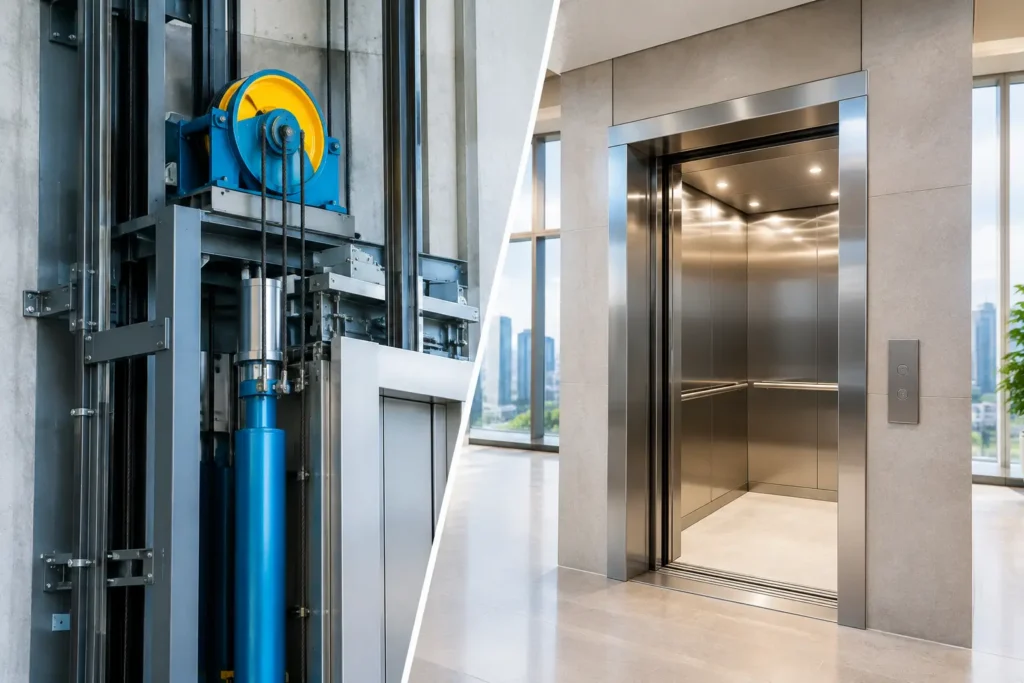
A hydraulic elevator is raised by a piston that is powered by hydraulic fluid. The pump and related equipment are typically located in a machine room near the elevator shaft, although the exact layout depends on the system design. When the cab travels down, gravity assists the movement while the fluid returns to the system.
Hydraulic systems are common in low-rise applications, often serving two to five floors. They are well suited to buildings where travel speed is modest, passenger volume is manageable, and a nearby machine room can be accommodated. They can also be a practical choice for freight, service, and certain heavy-capacity applications.
A traction elevator moves using steel ropes or belts, a drive machine, and a counterweight. As the cab travels upward, the counterweight moves downward, reducing the energy required to lift the load. Traction systems may be geared or gearless, and many modern designs use a machine-room-less configuration that places equipment within or near the hoistway rather than requiring a separate rooftop machine room.
Traction elevators are generally the preferred option for mid-rise and high-rise buildings. They support greater travel distances, higher speeds, and stronger performance where consistent passenger flow matters.
Hydraulic Versus Traction Elevators: The Practical Differences
The most visible difference is often speed. Hydraulic elevators commonly operate at slower speeds, which is usually acceptable in a low-rise school, office, senior living community, worship facility, or small apartment property. In a taller building, slower travel can become a tenant experience issue. Longer waits and longer trips affect daily operations, especially when several people need service at the same time.
Traction elevators are designed for faster and longer travel. For a multi-story hotel, residential tower, hospital, or commercial office building, that performance can make a meaningful difference in how efficiently the property functions. A traction system also tends to provide better capacity for buildings with sustained peak traffic, such as a morning office rush or frequent resident turnover at busy times.
Space planning is another major consideration. A conventional hydraulic elevator often needs a dedicated machine room, which can be straightforward in an existing low-rise building with available ground-level space. However, the space requirement should be reviewed early, particularly in renovations where every square foot has a cost.
Machine-room-less traction elevators can help architects and developers preserve usable building space. That does not mean every MRL application is automatically the right answer. Technicians still need safe, code-compliant access for inspections, maintenance, and repairs. Equipment location, working clearances, heat management, and rescue procedures should be part of the design conversation from the start.
Energy Use and Operating Efficiency
Hydraulic elevators typically use more energy during upward travel because the pump must lift the cab and its load without the benefit of a counterweight. Their energy profile may be entirely reasonable for a lightly used two- or three-stop elevator. In a building with frequent runs throughout the day, however, those operating costs deserve closer attention.
Traction elevators use a counterweight to balance much of the cab load, making them generally more energy efficient for higher travel and higher usage applications. Modern traction equipment can also include efficient drive technology and standby features that reduce energy use when the elevator is not in service.
Energy efficiency matters, but it should not be viewed in isolation. An elevator that uses less power but is poorly matched to the building’s traffic demands can still create operational problems. The goal is dependable performance with an operating profile that makes sense for the property.
Initial Cost and Lifecycle Cost
Hydraulic elevators can have a lower initial cost in many low-rise projects. Their mechanical layout is familiar, and the system can be a cost-effective solution where the application fits. For an existing building adding accessible service between a limited number of levels, that can be an important advantage.
Traction elevators may require a higher upfront investment, particularly when the project involves greater travel, higher speeds, or more advanced controls. Yet the initial price is only one part of the decision. Over time, energy use, maintenance needs, parts availability, building downtime, modernization requirements, and expected service life all affect the true cost of ownership.
Property stakeholders should be cautious of proposals that compare only installation cost. A transparent evaluation should identify what equipment is included, what site work is required, how the design meets current code requirements, and what ongoing maintenance support will look like after turnover.
Maintenance Needs and Long-Term Reliability
Every elevator requires preventative maintenance. The question is whether the maintenance plan reflects the equipment’s age, use, condition, and manufacturer requirements.
Hydraulic elevators need routine attention to components such as pumps, valves, cylinders, piping, seals, and hydraulic fluid. Over time, fluid condition and system leaks can affect performance and environmental considerations. Older in-ground hydraulic systems may also require special assessment when planning repairs or modernization, particularly where cylinder condition or corrosion is a concern.
Traction elevators require service attention to ropes or belts, sheaves, brakes, drive equipment, door systems, and safety components. Because traction systems often support higher traffic and faster travel, small performance issues should be addressed before they create shutdowns or passenger complaints.
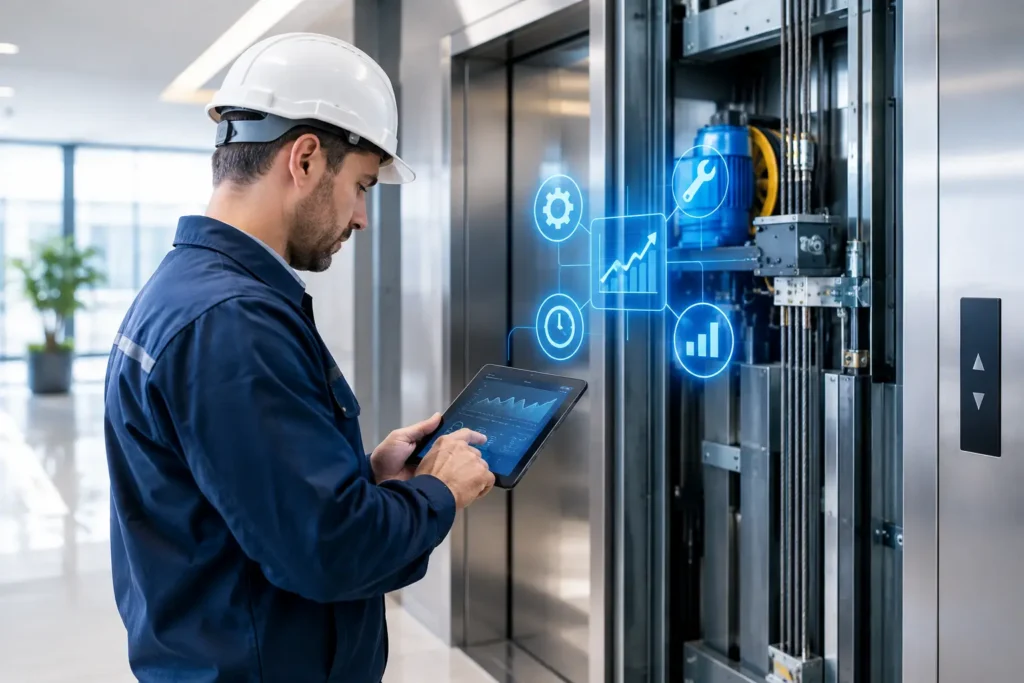
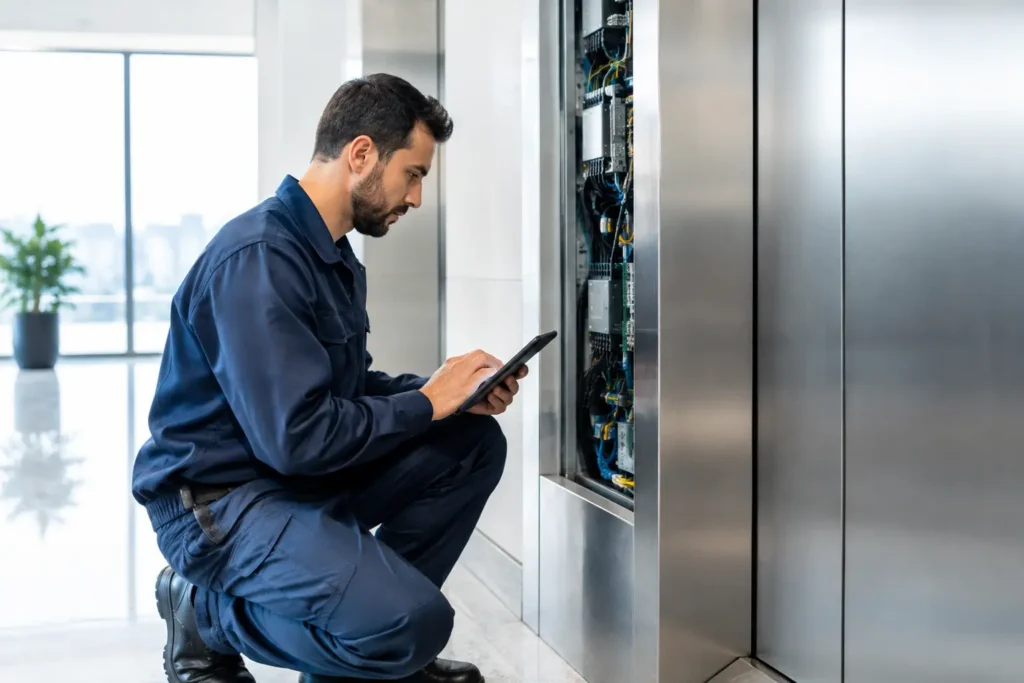
For either type, doors remain one of the most common sources of service calls. Door operators, rollers, locks, and related components work constantly and can be affected by heavy use, debris, alignment issues, and aging parts. A dependable maintenance program does more than respond when the elevator stops. It documents equipment condition, identifies developing concerns, and helps ownership plan repairs before a failure becomes an emergency.
Where Each Elevator Type Makes Sense
Hydraulic elevators are often a strong choice for low-rise buildings with modest traffic, limited travel distance, and a practical location for the power unit. They can serve passenger, freight, and service applications effectively when selected for the right duty level. A low-rise property should not assume traction is necessary simply because it is newer technology.
Traction elevators are typically the stronger choice for buildings with more floors, greater travel distance, higher speeds, or significant passenger demand. They are commonly used in commercial office buildings, multifamily properties, hotels, healthcare facilities, and new developments where space efficiency and long-term energy performance are priorities.
There are exceptions. A building with only a few floors may still benefit from traction equipment if traffic is high or space constraints make a separate hydraulic machine room impractical. Conversely, a specialized low-rise service elevator may be well served by hydraulic design even when a traction system is technically possible. The right answer comes from an application-specific review.
Questions to Resolve Before Selecting Equipment
Before committing to a hydraulic or traction design, the project team should confirm the number of stops, travel distance, expected passenger or freight volume, desired speed, cab capacity, and the building’s future use. A property expected to add tenants, convert to residential use, or increase public access may need more capacity than current traffic suggests.
The team should also evaluate the hoistway, pit, overhead clearances, machine-room options, electrical service, fire and life-safety requirements, accessibility obligations, and local code enforcement expectations. For existing buildings, a site survey is especially valuable because structural conditions and legacy equipment can change what is practical.
Finally, plan for service before installation is complete. Clear maintenance access, accurate documentation, available replacement parts, and a qualified service partner all influence uptime. Choosing equipment that can be maintained responsibly in the years ahead is part of protecting the investment.
A well-chosen elevator should support the building quietly and consistently, giving tenants, visitors, and staff confidence every time the doors open. The best path is a clear assessment of the property, an honest explanation of the trade-offs, and a system designed for dependable performance long after the construction project ends.