
A stalled elevator during the morning rush does more than inconvenience passengers. It can delay tenants, disrupt deliveries, limit accessible routes, create safety concerns, and put facility teams into immediate response mode. Effective elevator downtime reduction is not simply about fixing equipment faster after a failure. It is about identifying risk early, planning repairs intelligently, and giving building stakeholders clear information before a minor issue becomes a service interruption.
For commercial properties, multifamily buildings, healthcare facilities, schools, and mixed-use developments, elevator availability is a core part of building performance. The right maintenance and repair strategy protects the people who rely on the system while helping owners control avoidable operating and capital costs.
Why elevator downtime has a larger impact than one repair call
Every building experiences some elevator downtime. Certain work must be scheduled to complete safety tests, make repairs, perform code-related corrections, or modernize aging equipment. The more important question is whether the downtime is planned, contained, and communicated or unexpected, prolonged, and repeated.
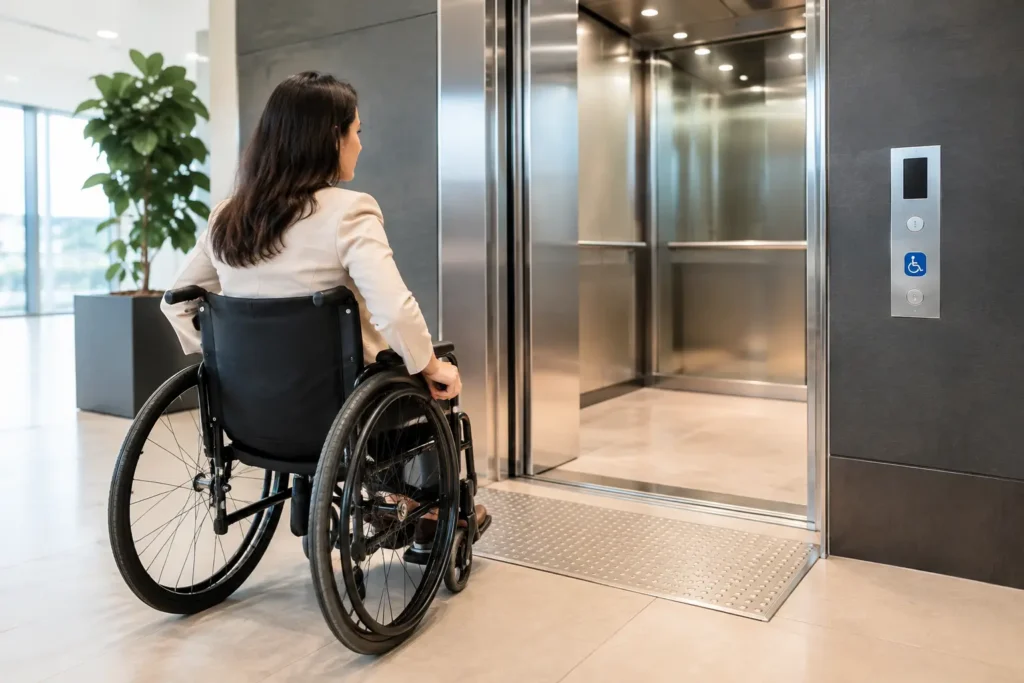
Unplanned shutdowns often create a chain reaction. Building staff must field tenant complaints, coordinate alternative access, postpone moves or vendor appointments, and respond to concerns from residents and visitors. In a building with one elevator, even a short outage can be especially disruptive for people with mobility limitations, families with strollers, and occupants on upper floors.
Repeated callbacks also carry a financial cost. The immediate repair invoice may be only part of the expense. Lost staff time, tenant dissatisfaction, after-hours access, emergency dispatches, and rushed decision-making can make a recurring issue far more expensive than an early, planned repair.
The goal is not to promise that an elevator will never need attention. Mechanical and electronic systems wear, building use changes, and components eventually reach the end of their service life. The goal is to reduce surprises and restore service with a clear, safety-first plan when issues occur.
Start elevator downtime reduction with better maintenance visibility
Preventive maintenance is most useful when it is based on the actual condition and usage of the equipment, not just a calendar date. A lightly used residential elevator and a high-traffic commercial passenger elevator may have different wear patterns even if they are similar in age. Door equipment, leveling systems, relays, controllers, hydraulic components, ropes, and other critical parts need attention based on what technicians observe over time.
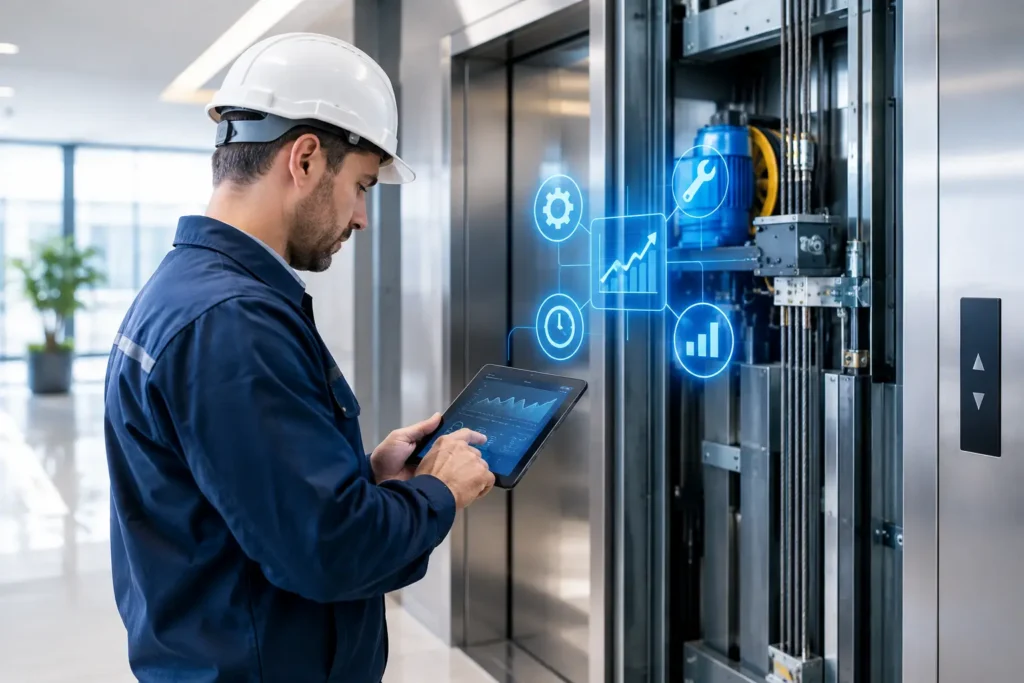
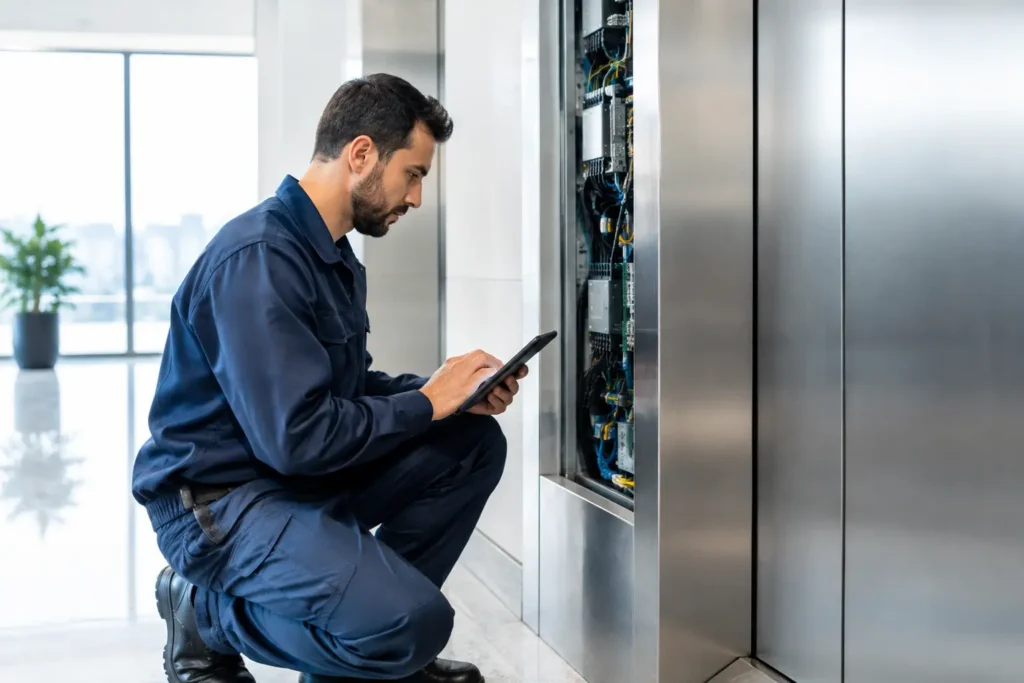
A qualified technician should document developing concerns in practical terms: what is happening, which component is involved, what risk it presents, and what can reasonably happen if the work is delayed. This gives property teams the information needed to distinguish between an item that requires immediate correction and one that can be scheduled during a lower-impact window.
Clear maintenance records also help identify patterns. A door reopening problem, intermittent leveling complaint, or recurring controller fault may look like separate service calls at first. When repair history is reviewed as a whole, the underlying cause can become clearer. That can prevent the cycle of replacing a small part, returning for another callback, and losing more elevator availability each time.
Focus on the components that cause frequent interruptions
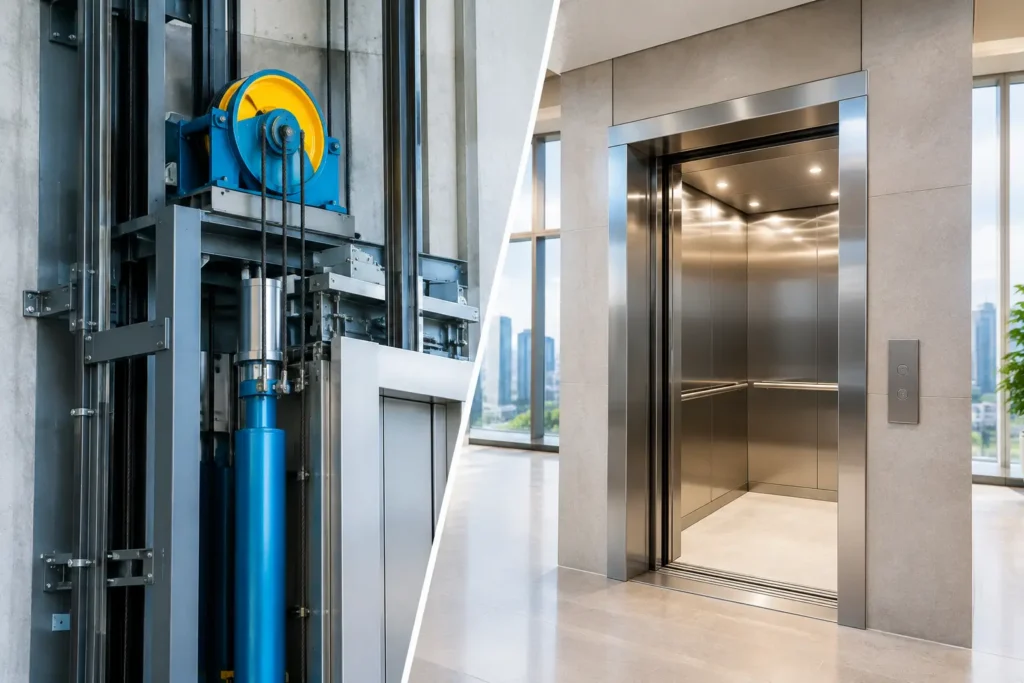
Not every maintenance finding has the same impact on uptime. Door operators and related door equipment are common sources of service interruptions because they operate on every trip and are exposed to alignment issues, worn rollers, damaged tracks, and passenger misuse. Accurate leveling is another priority, since leveling faults can affect both rider safety and elevator operation.
On older systems, obsolete relays, aging wiring, worn contacts, and limited controller diagnostics can make troubleshooting slower. Hydraulic elevators may require attention to valves, pumps, fluid condition, packing, and cylinder-related concerns. Traction systems need regular evaluation of ropes, sheaves, brakes, and machine-room equipment. The appropriate maintenance focus depends on the elevator type, condition, traffic demands, and repair history.
Make repair decisions before a failure forces the issue
A transparent repair recommendation should help owners plan, not pressure them into replacing equipment prematurely. In many cases, targeted repairs can extend the life of an elevator and improve reliability at a manageable cost. In other cases, frequent failures point to an aging component or system that is no longer a good candidate for piecemeal repairs.
The decision often comes down to reliability, parts availability, safety, and the cost of repeated disruption. If a critical part is becoming difficult to source, lead times can turn a routine failure into days of downtime. If the same fault returns despite appropriate repairs, it may be time to evaluate a larger corrective scope. If a system no longer supports current operational needs or code requirements, modernization planning may offer better long-term value.
Property stakeholders should ask for options whenever possible. A useful proposal separates immediate safety needs from reliability improvements and longer-range modernization opportunities. It should also explain the expected effect on service, the likely outage window, and any operational preparation needed from the building.
Plan work around the building, not just the equipment
The best repair plan can still create unnecessary disruption if it ignores how the property operates. A hotel may need to preserve guest access during peak check-in hours. A residential building may need advance notice for residents who rely on elevator service. A medical or senior-living environment may require careful coordination around patient movement and accessibility. Commercial tenants may have delivery schedules, security procedures, or client-facing events that affect when work can take place.
Planned downtime is easier to manage when the service provider and building team agree on the scope, timing, access requirements, and communication process before work begins. For larger repairs or modernization projects, this can include sequencing work to keep one elevator operating where a bank of elevators is available. It may also mean completing preparatory work in advance so the shutdown period is limited to the work that truly requires equipment to be out of service.
Communication matters just as much during an unexpected outage. Building managers need a realistic assessment, not vague assurances. They should know whether the elevator is safely secured, what initial diagnostics indicate, whether parts are required, and when the next update will be provided. Fast response is valuable, but responsive communication is what allows a property team to make sound decisions while service is being restored.
Use modernization strategically when repairs no longer improve reliability
Modernization is not automatically the answer to every maintenance concern. A well-maintained elevator can often remain dependable with targeted repairs and upgrades. However, modernization becomes a stronger consideration when aging controls, discontinued parts, frequent shutdowns, poor ride quality, or changing building needs make the existing system increasingly difficult to support.
Controller upgrades can improve diagnostic capability and parts availability. Door operator modernization can address a frequent source of callbacks. Fixtures, displays, cab interiors, and accessibility features may be updated as part of a broader project, especially when a building is undergoing renovation. The right scope depends on the equipment condition and the owner’s priorities, not a one-size-fits-all package.
A phased approach can be appropriate for buildings with multiple elevators or limited capital budgets. The trade-off is that older components may remain in service longer, so the plan should account for interim maintenance and potential repair exposure. A full modernization may require more planning and capital upfront, but it can reduce the uncertainty that comes with obsolete equipment and repeated emergency work.
Build a response process before the next outage
Downtime reduction depends on preparation from both the service provider and the property. Building staff should know who is authorized to request service, how to provide access to machine rooms and secure areas, and what information to share when reporting a problem. Details such as whether passengers are trapped, whether the car is stopped between floors, what messages appear on the display, and when the issue began can help technicians prioritize and diagnose more effectively.
A strong service relationship also includes periodic review. Maintenance reports, callback trends, open repair recommendations, test requirements, and equipment age should be discussed before they become emergencies. This is particularly valuable for owners managing several properties, where consistent documentation can reveal which assets need near-term attention and which can remain on a routine maintenance path.
Ascent Elevators approaches elevator service as an ongoing building-performance responsibility. Skilled technicians, transparent diagnostics, and long-term planning help property teams make decisions with confidence rather than reacting under pressure.
The most reliable elevator is not the one that has never needed service. It is the one supported by a clear maintenance history, timely repairs, realistic capital planning, and a service partner that treats every outage as an opportunity to prevent the next one.