

An elevator shutdown can affect far more than a single piece of equipment. It can interrupt accessible routes, change how tenants receive deliveries, limit emergency access, and create safety concerns if people are not informed. Knowing how to coordinate elevator shutdowns means treating the outage as a building operations event, not simply scheduling a technician.
Whether the work involves a planned repair, modernization, annual safety testing, a code-required correction, or an emergency condition, the goal is the same: protect passengers, keep stakeholders informed, and return the elevator to service only when it is safe and documented.
Start With the Reason and Scope of the Shutdown
A clear shutdown plan begins with an accurate diagnosis. The elevator contractor should explain why the unit needs to be removed from service, what work will occur, what equipment or floors will be affected, and the expected outage window. Facility teams need this information before notices go out, not after residents or tenants begin asking questions.
Not every shutdown has the same operational impact. A brief planned outage for a door adjustment may be handled differently than a multi-day controller replacement, hydraulic cylinder work, or modernization project. A shutdown caused by a safety concern may require immediate removal from service, leaving little time for normal scheduling. In those cases, communication still matters, but the priority is preventing use of equipment that may not be safe.
Ask the contractor to identify whether the work affects one elevator, a bank of elevators, the fire service function, access-control integration, emergency power operation, or the building’s only accessible vertical route. This helps building management plan for the real consequences of the outage rather than relying on a generic notice.
Build a Shutdown Plan Before Taking the Elevator Offline
The best time to solve access and communication issues is before the elevator is shut down. A practical plan identifies who is responsible for each part of the event: the elevator contractor, building engineer, property manager, security team, fire alarm provider, general contractor, and any other vendors whose systems interact with the elevator.
For planned work, confirm the start date, working hours, estimated completion date, required material deliveries, and any conditions that could extend the outage. For example, an older elevator may reveal additional worn components once work begins. A transparent contractor will explain that possibility upfront and communicate promptly if the scope changes.
The plan should also establish who has authority to approve schedule changes. That is particularly important in occupied commercial properties, hospitals, senior living communities, hotels, and multifamily buildings, where a shutdown may need to be adjusted around major tenant events, move-ins, inspections, or high-traffic periods.
Confirm Life-Safety and Accessibility Impacts
Before work starts, review the building’s emergency and accessibility needs. If a building has multiple elevators, determine whether one can remain available for passengers, deliveries, accessible access, or emergency response. If there is only one elevator, management may need a more detailed temporary access plan.
Do not assume stairways are an adequate substitute for every occupant. Residents, employees, visitors, and contractors may have mobility limitations that make stairs impractical or impossible. In some situations, building management may need to reschedule appointments, provide assistance, arrange alternate access, or coordinate temporary accommodations. The right approach depends on the property type, occupant needs, local requirements, and the duration of the outage.
Also verify whether the project affects fire alarm interfaces, recall operation, emergency communications, or emergency power. These systems should be coordinated with qualified providers and handled in accordance with applicable code requirements and the authority having jurisdiction. Elevator technicians should perform the equipment-specific safety procedures, including securing the unit against operation while work is underway.
Communicate Early, Clearly, and More Than Once
A shutdown notice should answer the questions occupants will actually have: Which elevator is affected? When will it be unavailable? Is another elevator available? How can someone request assistance? Who should be contacted with an urgent access issue?
For a routine scheduled outage, provide advance notice that matches the length and impact of the work. A short service visit may only require a building notice and lobby signage. A prolonged shutdown generally calls for repeated communication through the channels residents, tenants, and staff already use, such as email, tenant portals, building-management apps, front-desk messaging, and posted notices.
Avoid vague statements such as elevator service may be interrupted. If the elevator will be unavailable for a defined window, say so. If the timeline is an estimate because replacement parts or inspection approvals are involved, explain that as well. Clear expectations reduce frustration and prevent people from arriving with large deliveries, mobility needs, or scheduled appointments they cannot reasonably complete.
On the day of the shutdown, place visible signage at each affected landing. The signs should direct occupants to available elevators or alternate routes and provide a building contact for questions. If the property has security or concierge staff, make sure they have the same schedule and instructions as the facilities team.
Coordinate the Work Area, Not Just the Elevator
Elevator work often requires more space than the cab itself. Technicians may need access to the machine room, controller, hoistway, lobby, loading dock, roof area, or electrical rooms. Modernization and major repair projects can also require staging areas for equipment and material.
Walk the site with the contractor when the project is significant. Confirm access routes for tools and deliveries, freight elevator availability, parking arrangements, loading dock use, protection for finished surfaces, and where materials can be staged without blocking exits or egress paths. If other trades are on site, establish the sequence of work so one contractor does not create delays or hazards for another.
This is also the time to discuss noise, dust, and work-hour restrictions. A controller replacement in an occupied office building may be best scheduled after business hours, while a residential property may need limits that protect quiet hours. There is no one schedule that works for every building. The right schedule balances occupant needs, technician access, safety requirements, and the urgency of the repair.
Keep the Equipment Properly Secured During the Outage
Once an elevator is removed from service, it should remain clearly identified as unavailable until qualified personnel complete the work and authorize return to service. Building staff should not attempt to reset, operate, or place the elevator back into service to solve a short-term inconvenience.
Professional elevator technicians use established safety procedures to control hazardous energy and prevent unintended movement while work is underway. Building personnel can support those procedures by controlling access to restricted spaces, keeping occupants away from barricaded work areas, and reporting any attempted use or vandalism promptly.
If an emergency occurs during a planned shutdown, follow the building’s emergency procedures and contact the appropriate emergency responders. Do not rely on staff or untrained vendors to enter hoistways, open doors, or perform rescue actions. A well-coordinated shutdown includes a clear escalation path for emergencies before the work begins.
Plan the Return to Service With the Same Care
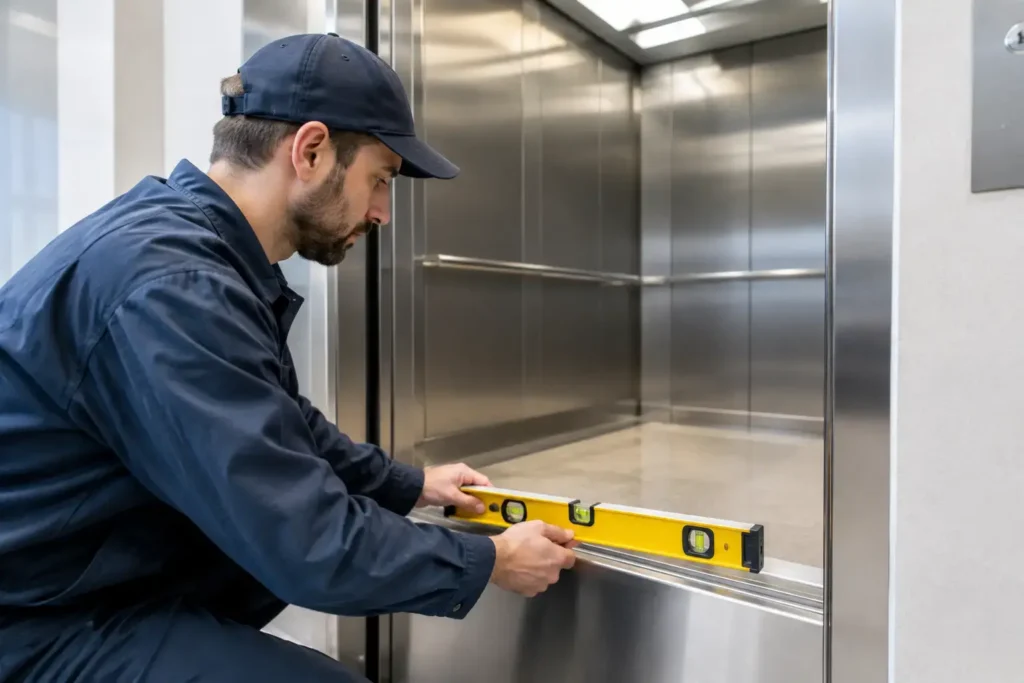
The end of the repair is not automatically the end of the shutdown. Before occupants are told the elevator is available, the contractor should complete the necessary operational checks and confirm the equipment is safe to return to service. Depending on the work performed, this may include testing door operation, leveling, travel, emergency communications, fire service functions, and other applicable safety features.
Some projects also require witnessing, inspection, or documentation before normal use resumes. This is especially common with major repairs, modernization work, and code-related corrections. A property manager should understand whether the elevator can return to service immediately after the contractor’s work, or whether an inspection or approval is still pending.
Once the elevator is released, remove outdated signage promptly and notify occupants that service has been restored. If operating limitations remain, communicate them clearly. For example, a freight elevator may return to limited service while a cosmetic or noncritical item is awaiting final completion.
Document What Happened and Improve the Next Outage
After a significant shutdown, keep a record of the original issue, work completed, parts replaced, testing performed, outage duration, communications sent, and any tenant concerns that arose. This documentation supports maintenance planning, capital budgeting, warranty tracking, and future conversations with building ownership.
It can also reveal useful patterns. Repeated shutdowns for the same aging component may point to a larger repair or modernization need. Frequent inconvenience caused by a single elevator may justify contingency planning or a broader discussion about equipment reliability. Honest recommendations should weigh repair history, remaining useful life, code exposure, passenger traffic, and budget rather than pushing replacement before it is warranted.
At Ascent Elevators, we approach planned outages with the same priorities that guide ongoing service: fast response, transparent communication, skilled work, and long-term support. A coordinated shutdown protects people, reduces disruption, and gives your building a clearer path back to dependable vertical transportation.