
A scheduled elevator inspection should not begin with a search for keys, missing maintenance records, or a machine room blocked by storage. A practical elevator inspection preparation checklist gives your team a clear way to prepare the building, coordinate vendors, and address known concerns before the inspector arrives. The result is a more orderly visit, better documentation, and fewer avoidable delays for residents, tenants, and visitors.
An inspection is not simply a pass-or-fail event. It is a checkpoint for the safety, reliability, and code compliance of a critical building system. Good preparation helps your elevator contractor, building engineer, and inspection authority focus on the equipment instead of preventable access and paperwork issues.
Start With the Inspection Scope and Date
Confirm the inspection date, arrival window, elevator unit or units involved, and the type of test or inspection being performed. Requirements vary by jurisdiction, equipment type, use classification, and the authority having jurisdiction. A routine periodic inspection may require a different level of coordination than a witnessed safety test, a full-load test, or follow-up work tied to an earlier violation.
Ask your elevator service provider what building support will be needed. Some tests require elevator downtime, access to electrical disconnects, an authorized building representative, or coordination with a fire alarm vendor. If the building has multiple cars, clarify whether service can be maintained on another unit while one elevator is tested.
Give tenants, residents, security staff, and front-desk teams advance notice when the work could affect normal elevator availability. Clear communication reduces frustration and helps building staff direct people to accessible routes during the service window.
Elevator Inspection Preparation Checklist for Building Teams
Use this checklist several business days before the appointment, then revisit it the day before the inspection. It is designed to support the inspector and qualified elevator technicians, not to replace professional maintenance or testing.
- Confirm the inspection date, elevator numbers, testing scope, and expected duration with your service provider and inspection agency.
- Identify an on-site contact who can provide building access, make operational decisions, and authorize necessary shutdowns.
- Make sure machine rooms, control spaces, pits, hoistway access points, and roof areas are accessible, unlocked as appropriate, illuminated, and free of stored materials.
- Verify that required records are available, including prior inspection reports, certificates, maintenance logs, repair invoices, test documentation, and any open violation notices.
- Review known elevator issues with building staff. Include intermittent faults, leveling concerns, door problems, unusual noises, ride-quality complaints, entrapments, and recent shutdowns.
- Confirm that the elevator phone or two-way communication system functions and that emergency contact information is current.
- Coordinate related trades when necessary, such as fire alarm, electrical, HVAC, sprinkler, security, or generator vendors.
- Notify occupants of possible elevator outages and arrange accessibility accommodations or freight-delivery alternatives where needed.
- Remove any items that obstruct controller access, machine-room doors, pit ladders, sump equipment, or required clearances.
- Plan for prompt correction of deficiencies. Some issues may be resolved during the visit, while others require a proposal, parts lead time, or a separate repair appointment.
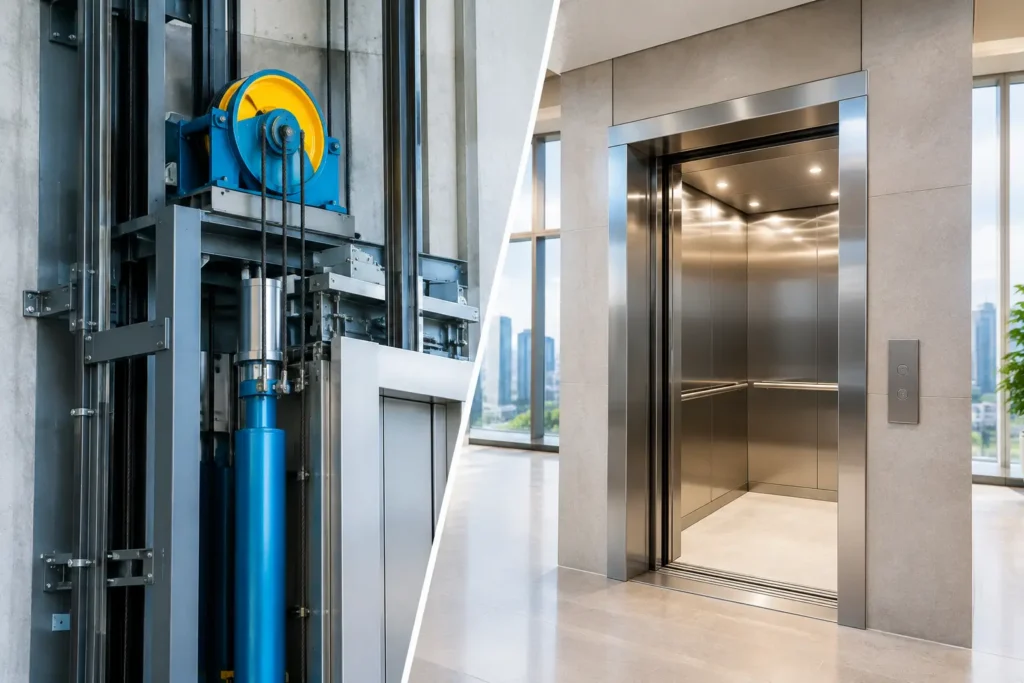
A checklist creates accountability, but it should remain flexible. A modern traction elevator in a dedicated machine room presents different preparation needs than a hydraulic elevator in an older building with limited access. Your contractor can help prioritize the items that apply to your system.
Prepare Access Without Compromising Safety
Access is one of the most common causes of lost time during an inspection. The inspector and elevator technician may need entry to the controller, the top of the car, the pit, the hoistway, and potentially the roof. Those locations should be clear, secure, and safely reachable before the appointment begins.
Machine rooms and control rooms should never become overflow storage areas. Boxes, cleaning supplies, construction materials, and discarded equipment can block lifesaving clearances or prevent technicians from reaching critical components. Keep the area dry, adequately lit, and limited to authorized personnel and elevator-related equipment.
Do not ask maintenance staff to open restricted areas, bypass locks, reset elevator equipment, or enter pits without the right training and authorization. If an access issue exists, tell your elevator provider in advance. A qualified team can advise on the proper path rather than creating a safety exposure to save a few minutes.
Gather Records That Tell the Equipment Story
Inspection documents are more useful when they show a complete operating history. Gather the most recent inspection certificate and report first, then organize records that explain what happened afterward. If the prior report identified deficiencies, include repair invoices, work orders, test results, and correspondence showing whether the condition was corrected.
Maintenance records also help identify patterns. Repeated door faults, leveling adjustments, controller errors, hydraulic oil loss, or intermittent communication failures may not be obvious during a single inspection. A clear service history gives the technician and inspector context for evaluating the equipment’s condition.
If you manage a portfolio, standardize where these records live. A building-specific digital folder with inspection reports, permits, maintenance tickets, modernization documents, and emergency contacts saves time when staffing changes or a compliance question arises.
Address Known Problems Before the Visit
An upcoming inspection should not be used as a substitute for reporting active problems. If the elevator is making unusual noises, stopping unevenly, failing to answer calls, reopening doors unexpectedly, or showing fault messages, schedule service promptly. Waiting can turn a manageable repair into unplanned downtime or a condition that affects safe operation.
That said, not every concern requires a major project before inspection. Some findings involve adjustments, worn components, documentation updates, signage, lighting, or housekeeping. Others may point to larger needs, such as door-operator replacement, controller upgrades, hydraulic system work, or modernization planning.
The right response depends on the equipment’s age, failure history, replacement-part availability, building use, and budget cycle. Transparent diagnostics matter here. Your provider should explain what requires immediate attention, what can be scheduled, and what should be included in a longer-term capital plan.
Coordinate Other Building Systems
Elevators operate alongside other life-safety and building systems. Fire service functions, recall operation, emergency power, pit equipment, machine-room ventilation, and communication systems may all require coordination during testing. If a recent renovation changed wiring, doors, smoke detection, access controls, or electrical service, share that information before the inspection.
Construction activity deserves special attention. Dust, debris, wet conditions, unsecured hoistway openings, and trade traffic can affect safe access and elevator performance. On an active jobsite, establish who controls each work area and when the elevator can be removed from service without disrupting critical operations.
For occupied residential and commercial buildings, assign one person to communicate across teams. The building engineer may understand the equipment, while property management handles tenant notices and security controls access. Bringing those responsibilities together avoids the last-minute confusion that can delay the visit.
Treat Findings as a Building-Performance Plan
When the inspection is complete, review the report with your elevator partner while details are fresh. Separate immediate safety or compliance items from recommended reliability work and longer-range improvements. Request clear descriptions of the condition, the operational risk, the recommended repair, and the expected timing.
Keep a record of completed corrections and confirm whether reinspection, documentation submission, or additional testing is required. Closing the loop protects the building and creates a more accurate maintenance history for the next inspection.
Ascent Elevators helps property teams prepare for inspections with responsive service, clear diagnostics, and long-term equipment support. A well-prepared inspection day is not just easier to manage – it is an opportunity to make better decisions about safety, uptime, and the useful life of every elevator in your building.