

A controller can still run the elevator every day and yet present a growing operational risk. Elevator component obsolescence often develops quietly: a display becomes difficult to source, a relay is discontinued, or the technician can no longer obtain the software or diagnostic tools needed to make a reliable repair. For property owners and facility teams, the real concern is not the age stamped on a part. It is whether that part can be supported quickly, safely, and predictably when the building needs it most.
What Elevator Component Obsolescence Means
Elevator component obsolescence occurs when an installed part is no longer manufactured, supported, readily available, or compatible with current service technology. It can affect controllers, drives, door operators, fixtures, leveling systems, traveling cables, communication equipment, and safety-related devices.
Obsolescence does not always mean immediate failure. Many older components remain dependable with proper maintenance. The challenge is that a single failed part can turn a routine repair into an extended outage when replacements must be located from limited inventory, rebuilt by a specialty provider, or adapted from another application.
This distinction matters for capital planning. A system may be mechanically sound while its controls are approaching a point where support is uncertain. Conversely, a newer controller may have an isolated issue that is repairable without a full modernization. Clear diagnostics help building stakeholders make decisions based on condition, supportability, and risk rather than a blanket recommendation to replace equipment.
Why Obsolete Parts Create Bigger Building Risks
The immediate consequence of an obsolete component is often downtime. If a critical board, drive, or door operator fails and a replacement is unavailable, passengers may lose service for days or longer. In a residential building, that can create a serious accessibility concern. In an office, healthcare, hospitality, or mixed-use property, it can disrupt tenants, visitors, deliveries, and daily operations.
There is also a cost issue. Emergency sourcing and custom repair work can be expensive, particularly when a failure happens after hours. A component that once required a straightforward service visit may demand multiple trips, temporary solutions, and specialized labor. The repair cost is only part of the equation. Lost productivity, tenant dissatisfaction, accessibility complaints, and pressure on property staff can carry their own consequences.
Safety and compliance deserve equal attention. Older equipment is not automatically unsafe, and a modernization project should not be driven by age alone. However, discontinued safety circuits, unreliable leveling controls, failing door protection, or outdated emergency communication systems can make it harder to maintain expected performance and satisfy applicable code requirements. A qualified assessment identifies where an aging component creates a practical exposure and where continued maintenance remains reasonable.
The Early Warning Signs to Watch
Frequent callbacks are one of the clearest signs that a component deserves closer review. A recurring fault does not always call for replacement, but repeated resets, intermittent shutdowns, inconsistent door operation, or leveling problems can indicate a control or mechanical issue that is becoming harder to manage.
Pay attention when repairs begin to involve refurbished or salvaged parts. These options can be appropriate when used thoughtfully, especially to extend the life of a system with otherwise stable performance. But relying on limited used inventory for critical components is different from having a dependable manufacturer-supported supply chain.
Service documentation can also reveal an obsolescence problem before a major outage occurs. Notes such as “part no longer available,” “repair only,” “limited inventory,” or “manufacturer support ended” should prompt a conversation about next steps. A transparent service partner should explain what those notes mean for your specific elevator, not simply present an urgent replacement proposal.
Other warning signs include unavailable firmware or programming tools, damage to aging wiring and connectors, excessive heat in a controller cabinet, and components that cannot be tested or adjusted with current equipment. In some cases, the issue is not a failed part at all. It is the declining ability to diagnose one accurately.
Assess the System Before Choosing a Solution
The right response to elevator component obsolescence depends on the building, the equipment, and the operational stakes. A low-rise property with one elevator and limited traffic has different needs from a high-traffic multifamily tower or a medical office building where reliable service is essential.
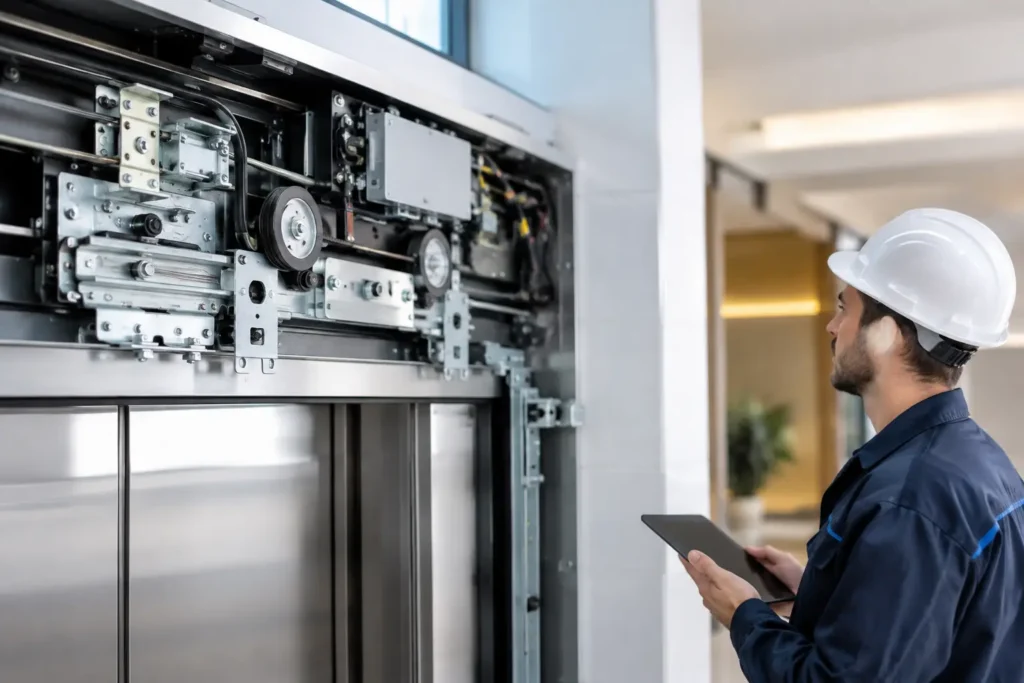
A useful assessment starts with the equipment’s service history. How often has the elevator been out of service? Which components have required attention? Are failures isolated or spread across multiple systems? The technician should also review parts availability, manufacturer support status, code-related requirements, condition of the machine room or hoistway equipment, and the elevator’s current ride quality and door performance.
From there, property teams generally have three paths: continue targeted maintenance, complete phased upgrades, or plan a broader modernization. Targeted repairs make sense when the issue is contained and replacement parts remain available. Phased work can reduce risk by addressing the most vulnerable elements first, such as a controller, door equipment, communication system, or fixtures. A full modernization may be the better investment when multiple major systems are obsolete, breakdowns are frequent, or the project can materially improve reliability, accessibility, energy use, and tenant experience.
The key is to avoid treating every recommendation as all-or-nothing. Good planning recognizes trade-offs. A phased approach can spread capital costs and reduce disruption, but it may leave some aging components in service longer. A comprehensive project can create a more cohesive system and simplify future support, but it requires a larger initial investment and careful scheduling.
Prioritize Components That Affect Uptime and Safety
Not every outdated part carries the same level of risk. Controls and door systems often deserve early attention because they have a direct effect on availability. The controller is the elevator’s decision-making center, while door equipment is subjected to constant daily use and is a common source of service calls.
Emergency communication equipment should also be reviewed, particularly where older phone-line technology, alarm devices, or monitoring capabilities no longer meet current needs. Leveling and braking-related concerns require prompt evaluation because they affect safe passenger transfer and operating performance.
Cab fixtures, indicators, and aesthetic finishes may be lower operational priorities, but they can be efficiently incorporated into a modernization plan when controls or wiring are being updated. Combining compatible work can reduce repeated disruption and provide a more consistent result for passengers.
Build Obsolescence Into Your Capital Plan
Waiting for a catastrophic failure removes options. A planned project allows building teams to select equipment, coordinate access, communicate with occupants, and schedule work around peak periods. It also creates room to compare alternatives based on long-term support, not only initial project cost.
Start by maintaining a current equipment inventory that includes model numbers, installation dates, known discontinued parts, recent repair history, and any manufacturer support notices. Pair this information with an honest condition assessment from a qualified elevator provider. The goal is to identify the components that could create a difficult-to-recover outage within the next one, three, or five years.
For multi-elevator properties, sequence work so the building retains service whenever practical. For a single-elevator building, the planning conversation should include outage duration, resident or tenant communication, accessibility contingencies, and the scope of work that can reasonably be completed during one shutdown. Clear expectations are essential. A modernization should improve long-term reliability, not create uncertainty about what the project includes or how it will be managed.
Ascent Elevators approaches these conversations with documented findings, practical options, and recommendations aligned to the building’s operational priorities. That may mean extending the useful life of existing equipment through targeted repairs, or it may mean planning upgrades before scarce parts turn a manageable issue into an emergency.
A Better Time to Act Is Before the Next Failure
Elevator component obsolescence is not a reason to replace functioning equipment without cause. It is a reason to understand the support risk behind the equipment you rely on every day. When property teams track recurring issues, ask direct questions about parts availability, and plan improvements before a critical failure, they protect uptime, budgets, and passenger confidence.
A well-timed evaluation gives your building choices. That is the real value of proactive elevator planning: fewer surprises, clearer decisions, and dependable vertical transportation when people need it.