
An elevator that still runs is not necessarily an elevator that is serving the building well. Frequent callbacks, extended wait times, intermittent door problems, obsolete parts, and tenant complaints often signal that elevator modernization deserves a closer look. For property owners and facility teams, the goal is not simply newer equipment. It is dependable vertical transportation that supports safety, uptime, accessibility, and a better daily experience for everyone who uses the building.
Modernization is also a capital decision that benefits from a clear scope. Replacing every component is not always necessary, and waiting for a major failure is rarely the most cost-effective approach. The right plan starts with an honest assessment of the equipment, the building’s operating needs, and the risks of maintaining the status quo.
What Elevator Modernization Really Means
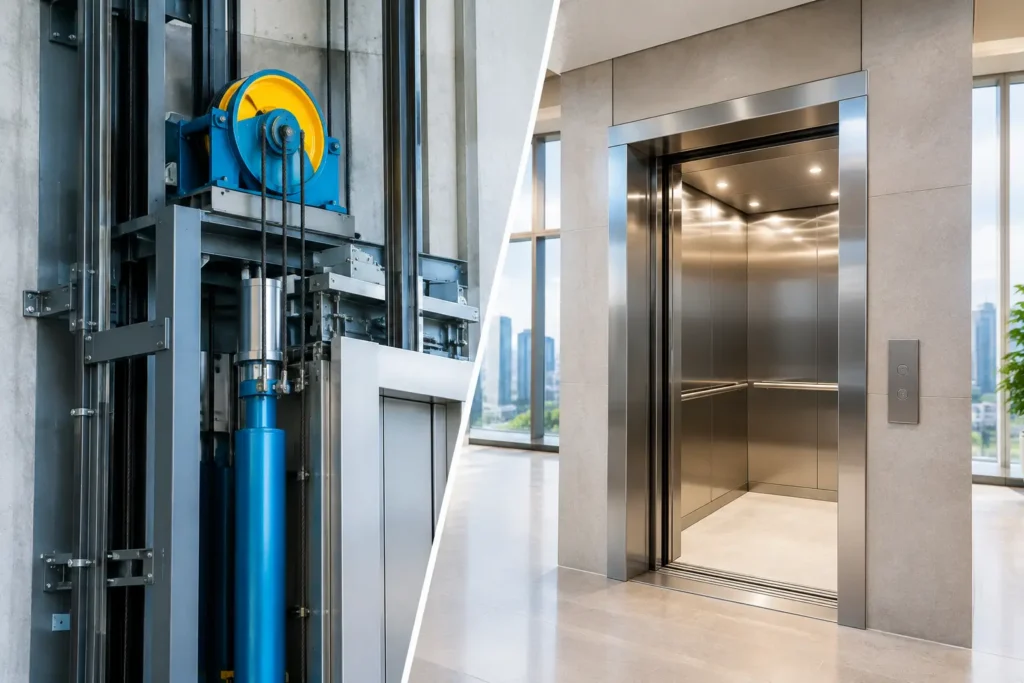
Elevator modernization updates selected systems within an existing elevator installation. Depending on the equipment’s age, condition, and available support, that may include the controller, door operator, fixtures, cab interior, wiring, machine-room components, communications equipment, or accessibility features.
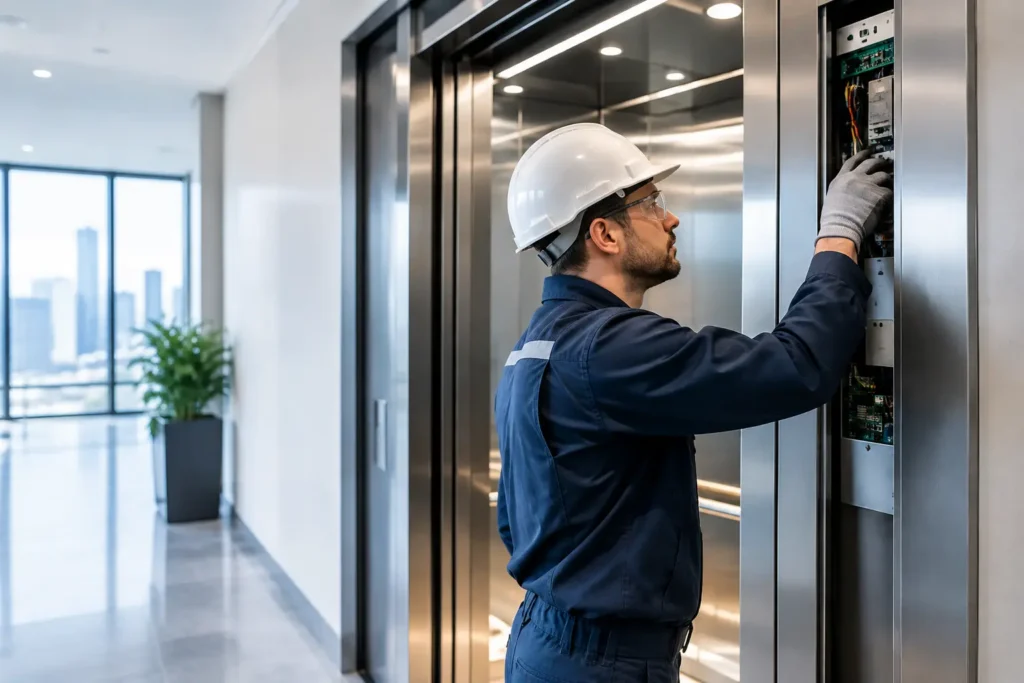
This differs from routine maintenance and repair. Preventative maintenance is designed to preserve equipment performance and identify issues before they become service interruptions. Repairs correct a specific failure. Modernization addresses the broader condition of aging systems and replaces components that have become unreliable, unsupported, inefficient, or out of alignment with current building needs.
A thoughtful project does not assume every elevator requires the same solution. A well-maintained hydraulic elevator in a low-rise residential property may need a controller and door upgrade, while a high-traffic commercial building may require a more extensive package to improve dispatch, reliability, and ride quality. Scope should follow evidence, not a one-size-fits-all recommendation.
When Elevator Modernization Becomes the Better Choice
Age alone does not determine whether modernization is needed. Many elevators can remain in service for decades with appropriate maintenance and timely upgrades. Still, most building teams begin evaluating modernization when repairs become repetitive, parts are difficult to source, or service interruptions start affecting tenants and operations.
Door equipment is often a major factor. Elevator doors complete far more cycles than many other components, and door-related issues are a common source of callbacks. A worn operator, damaged rollers, unreliable sensors, or outdated controls can create recurring disruptions that maintenance alone cannot permanently resolve.
Controller obsolescence is another clear trigger. Older controllers may rely on discontinued boards, limited diagnostic capabilities, or proprietary components with long lead times. When a single failed part can leave an elevator out of service for days or weeks, the financial impact extends beyond the repair invoice. Building access, tenant satisfaction, lease retention, and staff productivity can all be affected.
Other signs include uneven floor leveling, frequent shutdowns, poor ride quality, slow travel, inadequate cab communication, and difficulty meeting current code or accessibility expectations. An elevator survey can separate concerns that are repairable from those that point to a larger lifecycle issue.
Start With a Building-Specific Assessment
The strongest modernization projects begin before equipment is ordered. A qualified assessment should review the elevator’s maintenance and callback history, current condition, component availability, code requirements, traffic patterns, and the building’s planned renovations or ownership timeline.
For example, a building preparing for a lobby renovation may want to coordinate cab finishes, fixtures, and entrance upgrades with the overall design. A medical office building may place greater emphasis on leveling accuracy, door performance, and dependable service during business hours. A multifamily property may prioritize resident communication, cab appearance, and minimizing disruption to occupied floors.
The assessment should also account for the number of elevators serving the property. In a two-car group, the contractor may phase work so one elevator remains available whenever possible. A single-elevator building has different constraints and may require more detailed outage planning, temporary access considerations, and communication with residents or tenants.
Transparent diagnostics matter at this stage. Building decision-makers should understand which components are nearing end of life, why they present a risk, what options are available, and what each option will accomplish. That information makes capital planning more predictable and helps avoid spending heavily on short-term repairs that do not address the root cause.
The Components That Deliver the Biggest Operational Gains
Controllers and Dispatch Logic
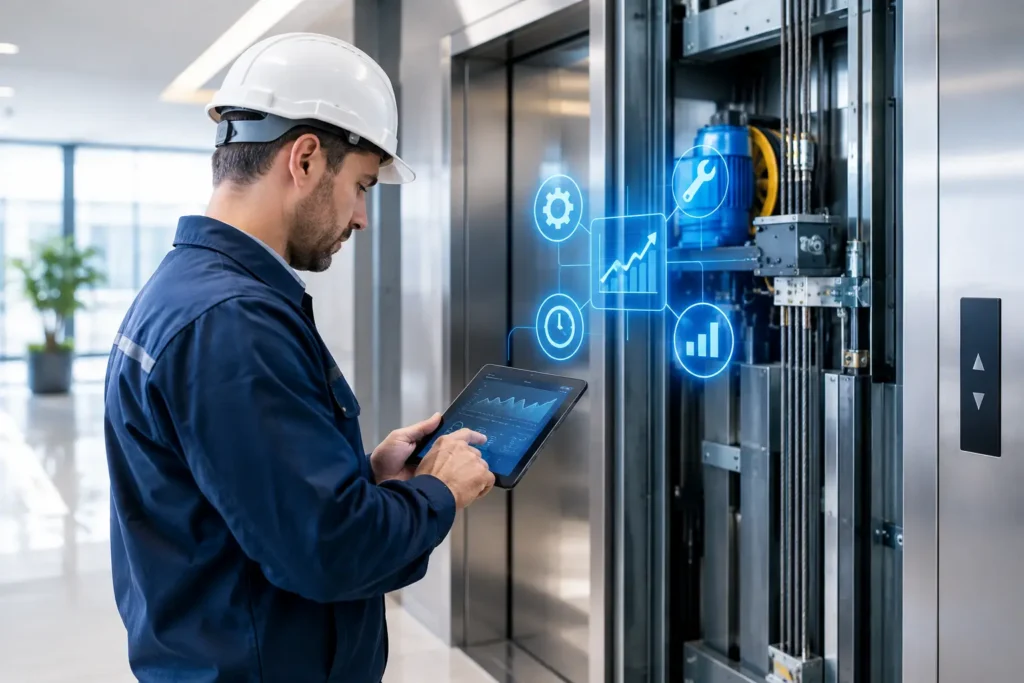
The controller is the elevator’s operating center. Modern controls can improve fault diagnostics, support more readily available components, and provide more consistent operation. In multi-elevator buildings, updated dispatch logic may also improve how cars respond to calls during peak traffic periods.
The benefit is not just technology for its own sake. Better diagnostics can help technicians identify issues more efficiently, while supported components reduce uncertainty when future repairs are required.
Door Operators and Protection Systems
Door modernization frequently produces noticeable improvements because it addresses one of the most active systems in the installation. New door operators, hangers, rollers, interlocks, and detection equipment can improve opening and closing consistency while helping reduce avoidable callbacks.
The appropriate door package depends on the entrance condition and traffic demand. High-use commercial entrances may need a different solution than a lightly used residential elevator. The focus should remain on safe, reliable operation rather than adding features that do not fit the property.
Fixtures, Communications, and Cab Upgrades
New push buttons, indicators, digital displays, emergency communications, lighting, handrails, flooring, and wall panels can improve the passenger experience and support compliance goals. These upgrades are highly visible, but their value is more than cosmetic. Clearer fixtures and reliable two-way communication help make elevators easier and safer to use.
Cab modernization can be coordinated with a property’s broader design standards, but materials should be selected for durability as well as appearance. A finish that looks attractive on day one but performs poorly under heavy traffic can create unnecessary replacement costs later.
Code Compliance and Accessibility Need Early Attention
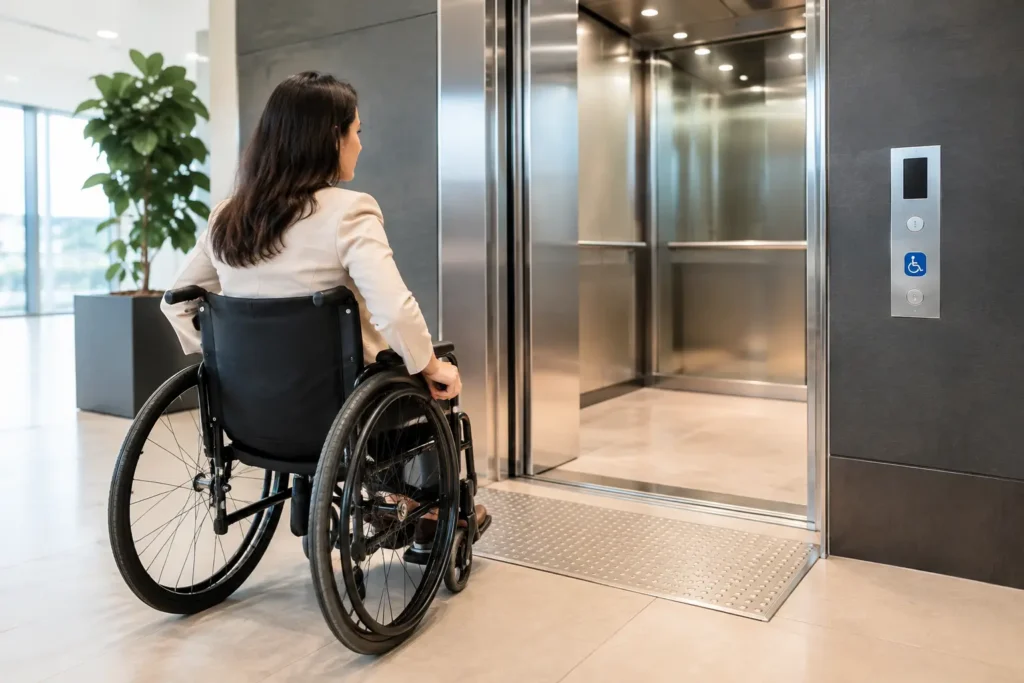
Code requirements vary by jurisdiction, building type, and the scope of work. That is why compliance should be reviewed during planning rather than treated as a final project hurdle. Required safety testing, emergency communications, fire service operation, door protection, and accessibility features may affect both project scope and schedule.
Modernization can create an opportunity to address known deficiencies and align equipment with current expectations. However, it is not always a simple matter of adding one component. Changes to the controller, entrances, or cab can affect related systems, which is why coordination with experienced elevator professionals is essential.
Facility teams should also expect permitting, inspections, and testing to be part of the process. A clear project plan identifies who is responsible for documentation, inspections, communication with authorities, and final turnover. That accountability helps prevent surprises near completion.
Plan Around Occupants, Operations, and Risk
An elevator modernization project requires downtime, but good planning reduces its impact. Before work begins, establish the expected sequence, outage windows, building access procedures, material staging locations, and points of contact for urgent questions. Tenants and residents should receive clear advance notice that explains what work is occurring, when elevator availability will change, and whom to contact with concerns.
For commercial properties, project timing may need to avoid tenant move-ins, large events, or seasonal peak periods. For residential buildings, teams should consider mobility needs and provide practical communication for residents who rely on the elevator daily. These details are not secondary to the installation. They are central to delivering a project that works for the building.
Cost should be evaluated the same way. The lowest initial bid may not include the scope, materials, labor quality, testing, or long-term support needed to protect the asset. Compare proposals based on what is being replaced, what remains in service, how equipment will be supported after turnover, and how the provider will respond if issues arise.
Modernization Works Best With Ongoing Maintenance
A new controller or door operator does not eliminate the need for preventative maintenance. It gives the building a stronger foundation, but performance still depends on regular inspections, adjustments, cleaning, testing, and prompt attention to emerging issues.
After modernization, maintenance records become especially useful. They show whether the project is delivering the expected reduction in callbacks and help technicians track the condition of remaining original components. This information supports future capital planning rather than forcing property teams to react to the next unexpected failure.
Ascent Elevators approaches modernization as part of the equipment lifecycle, not as a one-time construction event. Skilled technicians, clear diagnostics, coordinated project planning, and long-term service support help building teams make decisions with confidence.
The best time to evaluate an aging elevator is before availability, safety, or tenant experience is compromised. A focused assessment can turn recurring elevator concerns into a practical plan for more reliable service and a building that is better prepared for what comes next.